How to drink responsibly at a festival is simpler than it sounds: pick your limit before you arrive, eat a real meal first, alternate every alcoholic drink with a glass of water, and sort out your ride home before the first pour. Do those four things and you can enjoy the day without gambling with a night in a medical tent. Most people who overshoot did not choose to — they simply never set a ceiling.
Here is the short version, and the rest of the guide explains each line:
- Eat a substantial meal before you leave the house.
- Decide your drink budget in advance and stick to it.
- Alternate one alcoholic drink with one glass of water, roughly one drink per hour.
- Favour low-ABV, low-fizz drinks and skip mixing spirits with beer.
- Carry a refillable bottle and use free water stations whenever you pass one.
- Agree on a meeting point and a sober ride before the festival starts.
- Leave early the moment you feel disoriented — nobody has ever regretted going home.
Table of Contents
- What You Need
- Step-by-Step: How to Drink Responsibly at a Festival
- Set a Personal Limit Before You Drink
- Choose a Reliable Ride and a Safe Meeting Point
- Start With Food and Water
- Pace Yourself and Track What You Drink
- Use Check-Ins and Leave Early When Needed
- Common Mistakes
- Frequently Asked Questions
- What is the best drink to drink at a festival?
- Should I drink electrolytes before a festival?
- How do you avoid getting sick at a festival?
- What are some safety tips for festivals?
- How do you pace yourself drinking at a festival?
- How safe are music festivals?
What You Need
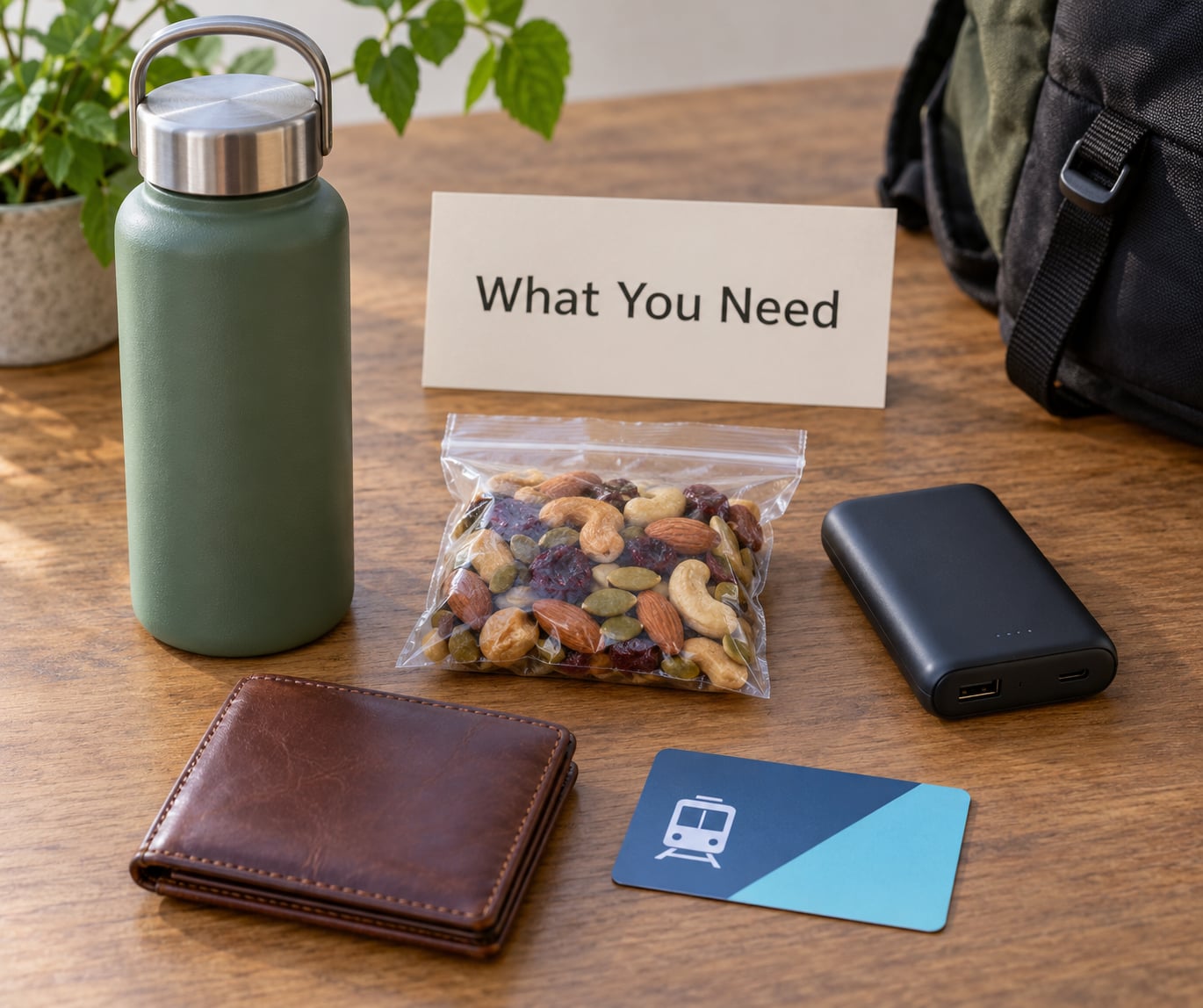
Most festival disasters trace back to a missing item, not a missing plan. Here is what to sort out before you walk through the gate.
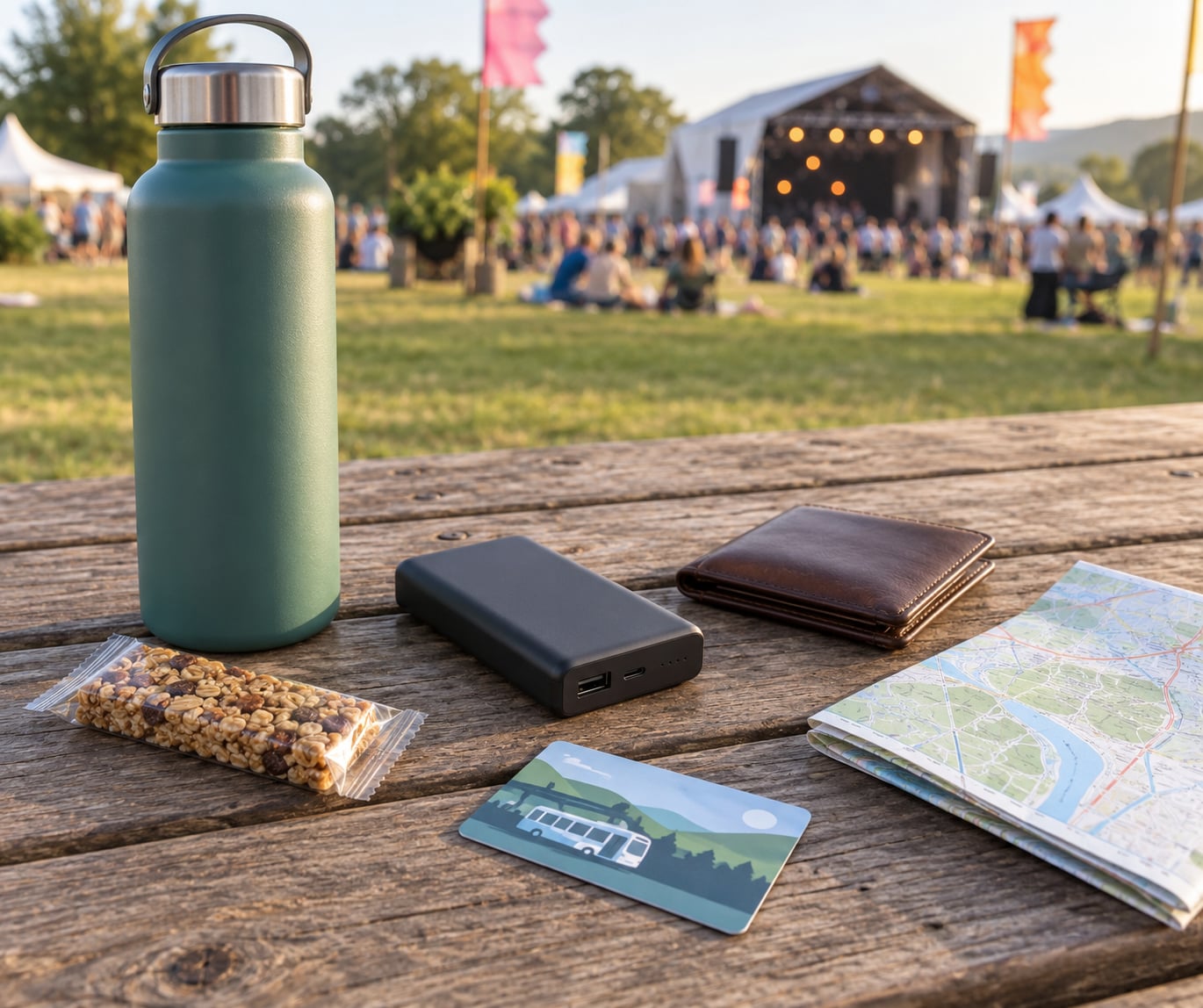
- Government-issued photo ID. Nearly every festival that serves alcohol checks it at the entrance, and some check again at the bar. Without it you spend the day watching other people drink.
- A refillable water bottle. Glass is usually banned on site, and buying water all day gets expensive and slow. Fill it at a free refill station or a tap before you enter.
- Real food. Pack something portable — a sandwich, a protein bar, nuts, dried fruit — because vendor queues run long and a full meal before drinking slows how fast alcohol hits you.
- A payment method that works offline. Cell service is unreliable in a crowded field, so keep a physical card or some cash as backup.
- A charged phone and a portable charger. Your ride, your meeting point and your friends all depend on a phone that is not dead at midnight.
- A ride home that does not involve a car. Transit schedule, taxi rank location, or a rideshare account with payment already set up.
- A sober friend who knows your limit. Tell them the number before you start drinking, not after.
One more thing worth checking: the festival’s own alcohol policy and your local laws. Many events cap servings per hour, stop service at a set time, restrict where you can drink, or ban outside beverages entirely. Know the rules before you plan around them, and never accept a drink from someone you do not know.
Step-by-Step: How to Drink Responsibly at a Festival
Set a Personal Limit Before You Drink
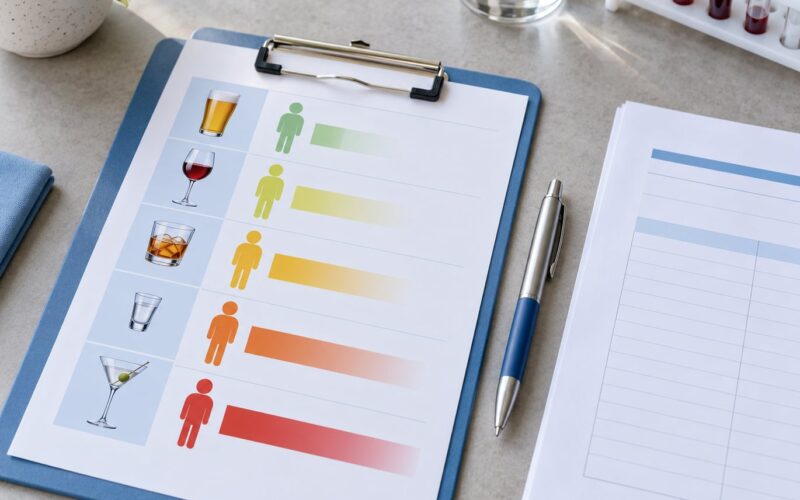
Choose your number while you are sober and still at home. A useful starting point is one standard drink per hour, counted from the first drink, never from the last — your body clears alcohol at a steady rate no matter how much you wish it would speed up.
Build that number into the schedule. A five-hour festival and a twelve-hour festival are not the same evening, and a session where you pay per drink is not the same as one where a wristband covers unlimited pours.
Treat the limit as a guardrail, not a quota. Nobody at a festival is graded on how much they drank, and people who hold a lower ceiling usually have a better day and a better night. If you take medication, have a health condition affected by alcohol, or are pregnant, talk to a doctor or pharmacist before drinking rather than guessing.
You will know the limit is working if you can still read a sign, follow a conversation, and find your friends without searching for them.
Choose a Reliable Ride and a Safe Meeting Point
Settle two things before the first drink: where you will meet if you get separated, and exactly how you are getting home.
The meeting point should be something physical and findable — a specific stage, a landmark clock tower, one named vendor — not “by the big tent”. Agree on a time too, because cell service fails and people drift.
For the ride, your options are a designated driver who stays sober, the transit service running late, or a rideshare you have already set up. Never drive after drinking, and never ride with a driver who has been drinking. If you are tipsy enough that you would hesitate to let a stranger drive you, you are tipsy enough to get a taxi.
If you become separated, disoriented, or too impaired to travel safely, stop drinking, stay in a lit staffed area, and message or call someone sober. The plan is working when getting home takes no last-minute decisions at all.
Start With Food and Water
Eat before you drink, not after. A meal with protein, carbohydrates and some fat slows how quickly alcohol is absorbed, which is why a person who skipped lunch on an empty stomach can go from fine to unwell in three drinks.
Then keep eating through the day. A sandwich, a burger, some chips with protein, anything more substantial than sweets. Sugary food on its own hits your blood sugar hard and often makes nausea worse later.
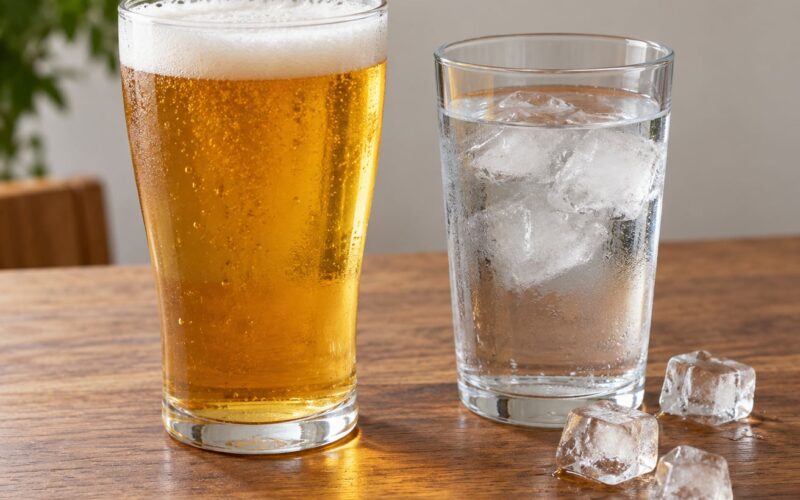
Water goes in the other side of the ledger. Alcohol suppresses the hormone that tells your body it needs fluid, so you pass more water than you take in, and a hot crowded field makes you sweat more on top of that. Try to match every alcoholic drink with a glass of water rather than saving hydration for the end of the night.
One honest note: water and food do not sober anyone up. They reduce the damage and slow the climb, but only time lowers your blood alcohol level.
Pace Yourself and Track What You Drink
Small tastes across twenty vendors add up fast, and most festival pours are larger than a standard drink. A craft beer flight tasting might be three full servings in what looks like one sitting.
Choose drinks on a simple rule: less alcohol, less fizz, less sugar. A lower-ABV beer or cider, a simple spirit with soda, or a wine spritz all land easier than a citrus-heavy mixed cocktail or a spiced cocktail. Bartenders say the same thing about festival crowds — simplicity is kind to your stomach.
Do not stack spirits on top of beer in the same hour, and do not mix alcohol with anything else. Combining substances multiplies the risk in ways that are hard to predict.
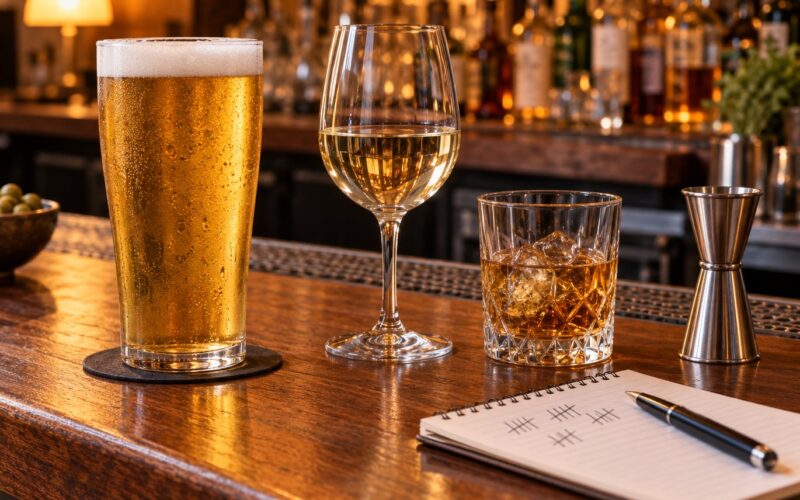
Keep a rough count. The simplest method works: a note in your phone with the time next to each drink. If you cannot remember the last three, that is your cue to switch to water and eat something.
The plan is working when you are still hungry at hour four, still walking steadily, and still enjoying the music instead of spending the set standing near a fence trying to focus.
Use Check-Ins and Leave Early When Needed
Message your sober friend at set intervals — say, every two hours — with your location and a one-word status. If you cannot reply clearly, something is off.
Watch for the warning signs that are yours alone, which are easy to ignore: trouble focusing on a face, reading or a conversation; stumbling more than once; confusion about where you are; nausea you cannot settle; suddenly feeling very sleepy after being awake all day. Heat makes every one of these worse.
Multi-day festivals add their own trap. Sleep debt and rising tolerance mean day two feels like day one, so you drink normally while being measurably more impaired. Drop your limit on later days, and treat the first morning headache as a reason to eat and hydrate, not to start early.
If a friend is in trouble, stay with them, get a festival staff member or medic, and never let them sleep it off alone. Watch for the signs of alcohol poisoning, which is a medical emergency and is not the same as being drunk: being hard to wake or unable to stay awake; slow or irregular breathing; a cool, pale or bluish skin; a heartbeat that is very fast or very slow; confusion or severe vomiting. If any of those show, call festival medical or emergency services immediately. Put them on their side with the head tilted back slightly, clear anything around them, and stay beside them while help arrives.
Leaving early is not a failure. It is the clearest sign that your plan worked.
Common Mistakes
Tasting everything. The craft beer version of this is trying every pour, which adds up faster than the glass size suggests. Pick five to eight things you actually want, taste those, and skip the rest.
Drinking on an empty stomach. Fix: a real meal before you arrive, then food every two hours. A queuing vendor is not an excuse.
Losing count. Fix: log the time beside every drink in your phone. If the last three entries are missing, stop and reassess.
Thinking coffee or a cold shower will fix it. Caffeine does not lower blood alcohol; it only makes you feel more awake while still impaired. Time is the only thing that helps.
Riding the unlimited-pour format at full speed. Fix: cap your own number before the first one, and note that a wristband changes the ceiling only because it removes your natural pacing cues.
Staying after you are impaired. Fix: leave at the first clear signal, not the moment you are certain it is time. Waiting for certainty is how people end up on the ground.
A few small habits that help: top up your water bottle whenever you use the bathroom, keep a snack in the same pocket as your ID, and buy your first drink later than feels necessary. That last one is the cheapest trick in this whole guide.
Frequently Asked Questions
What is the best drink to drink at a festival?
The simplest drink is usually the kindest one: lower-ABV beer or cider, a spirit with soda, or a wine spritz. Choose drinks low in fizz, citrus, spice and sugar, because mixed and citrus-heavy cocktails are harder on an empty stomach and in heat. Watch the serving size, since festival pours are often larger than a standard drink.
Should I drink electrolytes before a festival?
They can help in hot conditions where you are sweating and drinking steadily, and sports drinks or tablets are a reasonable option. More is not always better: some electrolyte products carry high vitamin doses that cause nausea on an empty stomach. Ordinary water between drinks handles most people fine, and anything beyond that should match what you are actually losing.
How do you avoid getting sick at a festival?
Eat a full meal before you drink, keep eating every couple of hours, alternate alcohol with water, and stay cool. Avoid mixing spirits with beer, skip anything you have not finished in a drink or two, and do not mix alcohol with other substances. If you already feel nauseated, stop drinking, eat something plain, hydrate, and get fresh air or shade.
What are some safety tips for festivals?
Plan your ride before you drink, stay with a sober friend, know where festival medical staff are, and check in on a schedule. Watch for the signs of alcohol poisoning in others: hard to wake, slow or irregular breathing, cool pale skin, confusion, and severe vomiting. If you see them, call medical staff, put the person on their side, and stay with them.
How do you pace yourself drinking at a festival?
Set a number before you arrive, aim for roughly one standard drink per hour, and count from the first drink rather than the last. Alternate every alcoholic drink with a glass of water, log the time next to each serving, and eat every two hours. With unlimited pours or timed sessions you have to set the pace yourself, because nothing else will.
How safe are music festivals?
Most festival injuries are heat-related, dehydration, falls and alcohol, and most of those are preventable with water, food, footwear and a limit you decided on in advance. The bigger risks come from getting separated from your group in the dark or being too impaired to ask for help. Knowing where medical staff are stationed before you need them is the cheapest safety step available.
Start tonight, not at the gate: decide your drink limit, tell a sober friend what it is, and book the ride. Eat before you go, keep water between every drink, and leave the moment the signals change. That is how to drink responsibly at a festival, and it still leaves you plenty of time to enjoy the music.