No, regular beer is not gluten free. Most beer is brewed from malted barley, and plenty of styles add wheat or rye, and all three grains carry gluten proteins. A dedicated gluten-free beer is brewed without those grains, usually in its own facility. Which category a bottle falls into decides everything else.
Table of Contents
- Is Beer Gluten Free? The Direct Answer
- Is beer gluten free? It depends on three things
- What Beer Ingredients Contain Gluten?
- Which Beer Styles Are Usually Gluten Free?
- How Can You Tell If a Beer Is Gluten Free?
- What Does Gluten-Free Beer Labeling Mean?
- Is Beer Safe for People With Celiac Disease?
- What About Cross-Contamination at Breweries and Festivals?
- How Do You Choose a Safer Beer at a Bar or Festival?
- Frequently Asked Questions
- Is Modelo beer gluten-free?
- What alcohol is 100% gluten-free?
- Can you drink beer if you have a gluten allergy?
- How much gluten is too much for people with celiac disease?
- Which gluten-free beers are easiest to find?
- Why does gluten-free beer taste different from regular beer?
Is Beer Gluten Free? The Direct Answer
Conventional beer is not gluten free, because the main ingredient, malted barley, contains hordein, a gluten protein that survives the mash, the boil and the ferment. Beers that call themselves gluten free are a separate category: they are brewed from sorghum, rice, buckwheat, millet or peas, either in a facility that never handles gluten or with equipment kept separate from conventional beer.
Is beer gluten free? It depends on three things
- What was in the grain bill. Barley, wheat and rye mean gluten is in the beer.
- Where it was brewed. A dedicated gluten-free facility removes cross-contact risk. A shared brewhouse cannot.
- What the label actually claims. A certified gluten-free statement is a legal claim under a specific rule. Gluten-removed or gluten-reduced is something else entirely.
If you have celiac disease, the practical rule from celiac organizations is narrow: drink only beer labelled gluten free and brewed in a dedicated gluten-free facility, and skip anything sold as gluten-removed.
What Beer Ingredients Contain Gluten?
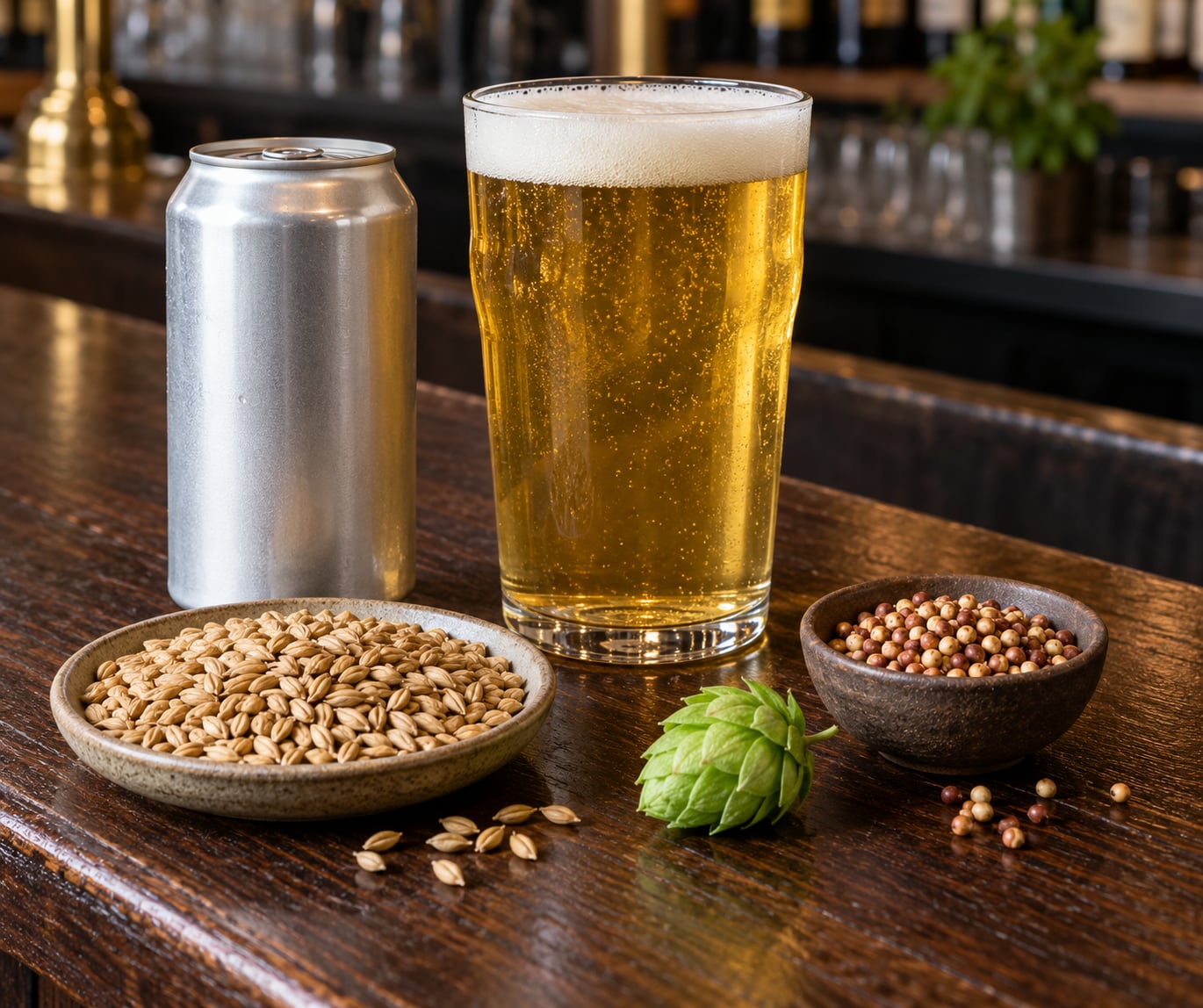
Barley is the engine of almost all beer, and the reason the answer to this question is no. Barley grains are rich in storage proteins, and one family of them, hordeins, are gluten. Malting does not destroy them; it wakes them up and converts the grain’s starch into fermentable sugar.
Wheat brings glutenin, and rye brings secalin, so wheats such as witbier and Belgian styles are out for the same reason barley beers are. Malt is the ingredient to watch most closely on a label, because a single malt adjunct can carry gluten into a beer that looks grain-light.
Hops and brewer’s yeast are naturally gluten free, and so is water. That is the good news buried in the ingredient list: the gluten almost always arrives with the fermentable grain, not the flavouring. But an ingredient list tells you what went in, not how much protein ended up in the glass, so it cannot confirm a gluten-free claim on its own.
Which Beer Styles Are Usually Gluten Free?
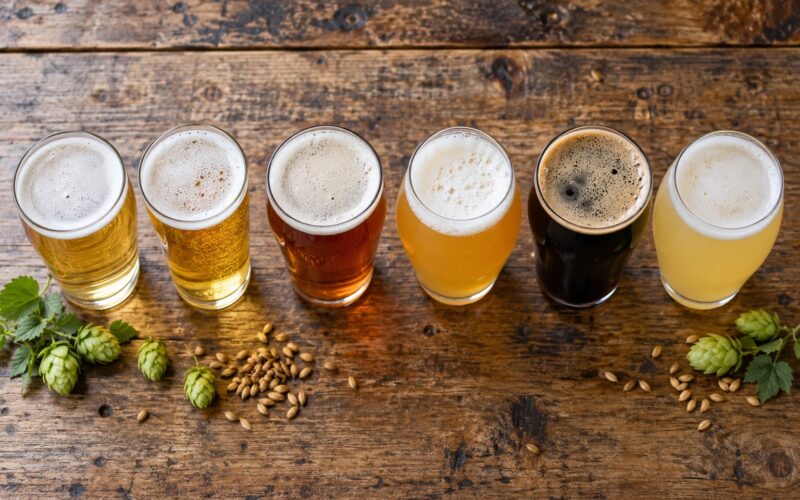
Styles brewed from naturally gluten-free grains are the ones worth looking for. Sorghum is the most common base and makes a clean, crisp lager-style cup. Rice-based versions behave a bit like a rice lager, light and quick on the palate. Buckwheat adds a nutty, earthy edge that works nicely in brown and amber styles. Millet and pea or lentil bases turn up in hazy and heavier beers.
Style alone does not make a beer gluten free. A wheat beer is a style and it contains gluten every time. What matters is the grain bill and the facility, so treat a style name as a hint, then check the label.
Taste expectations are worth setting too. Alternative grains carry less protein than barley, and protein is what forms a lasting, lacy head. A gluten-free pour often looks thin, has a shorter-lived foam and a lighter body, which drinkers notice even when they cannot say why. Brewers lean on hops, spices and fruit to build aroma in the gap, so the best ones read as modern rather than as a compromise.
How Can You Tell If a Beer Is Gluten Free?
Read the can or bottle rather than the tap handle. A useful checklist takes about a minute.
- Look for a certified gluten-free claim. It has to mean under 20 parts per million by US rules, which is a legal limit a brewer signs up for.
- Look for dedicated-facility wording. Brewed in a dedicated gluten-free facility is the phrase that matters. Made with gluten-free ingredients is not the same promise.
- Scan for barley, wheat, rye, malt or brewer’s yeast. Any of those on the ingredient list rules it out for celiac disease.
- Check for third-party testing or certification. GFCO certification and lab testing add a layer beyond self-declared compliance.
- Ask the brewery when a restaurant lists it ambiguously. Recipes change, and a five-minute call beats a bad night.
What Does Gluten-Free Beer Labeling Mean?
A gluten-free label is a threshold, not an absolute. Under US FDA rules a food labelled gluten free must contain fewer than 20 parts per million of gluten, and the EU sets a comparable 20 milligrams per kilogram. Beer is one of the hardest foods to get under that line, which is why so few conventional products come close and why breweries that make the claim usually test every batch.
Other places draw the line differently. Australia and New Zealand take the stricter view that gluten-free means no detectable gluten in the finished product, and the EU has a separate category, very low gluten, for products up to 100 ppm that cannot claim gluten free. If you travel, a beer that clears the US bar is not automatically the same bottle everywhere.
| Serving | Typical gluten | Notes |
|---|---|---|
| 12 oz (355 ml) barley beer | Roughly 0.5 to 1 g | Comparable to a slice or two of wheat bread |
| One slice of wheat bread | Roughly 1 g | Varies widely by loaf |
| Certified gluten-free beer | Under 0.02 g (20 ppm) | About 25 to 50 times less than a barley beer |
| 1 oz of wheat flour | Roughly 3 g | The usual benchmark in celiac diet literature |
So is beer higher in gluten than bread? A pint of barley beer lands close to a slice or two of wheat bread in a single serving, which surprises people who picture a beer as a small thing. People who react to gluten are not reacting to a trace; a standard serving is a real dose.
Is Beer Safe for People With Celiac Disease?
Traditional barley, wheat and rye beer contains substantial gluten and is not appropriate for people with celiac disease. Beer brewed from sorghum, rice or another gluten-free grain in a dedicated facility is the category celiac organizations point to, and it is the one most people with the condition settle on.
Gluten-removed beer is the grey area. It is brewed from barley like any other beer, then treated with the enzyme prolyl endopeptidase, which chops gluten proteins into smaller peptides that register under the 20 ppm testing threshold. One small study reported that 2 of 31 people with celiac disease showed an immune response after drinking gluten-reduced beer, so the category carries real risk even where the label looks reassuring.
This is general health information, not personal medical advice. If you have celiac disease, a wheat or barley allergy, or unexplained symptoms, a gastroenterologist or registered dietitian can tell you what your own body tolerates. One more piece of advice that comes up constantly in celiac forums: get tested for celiac disease before you cut gluten out, because after months of a gluten-free diet the standard blood tests stop working.
What About Cross-Contamination at Breweries and Festivals?
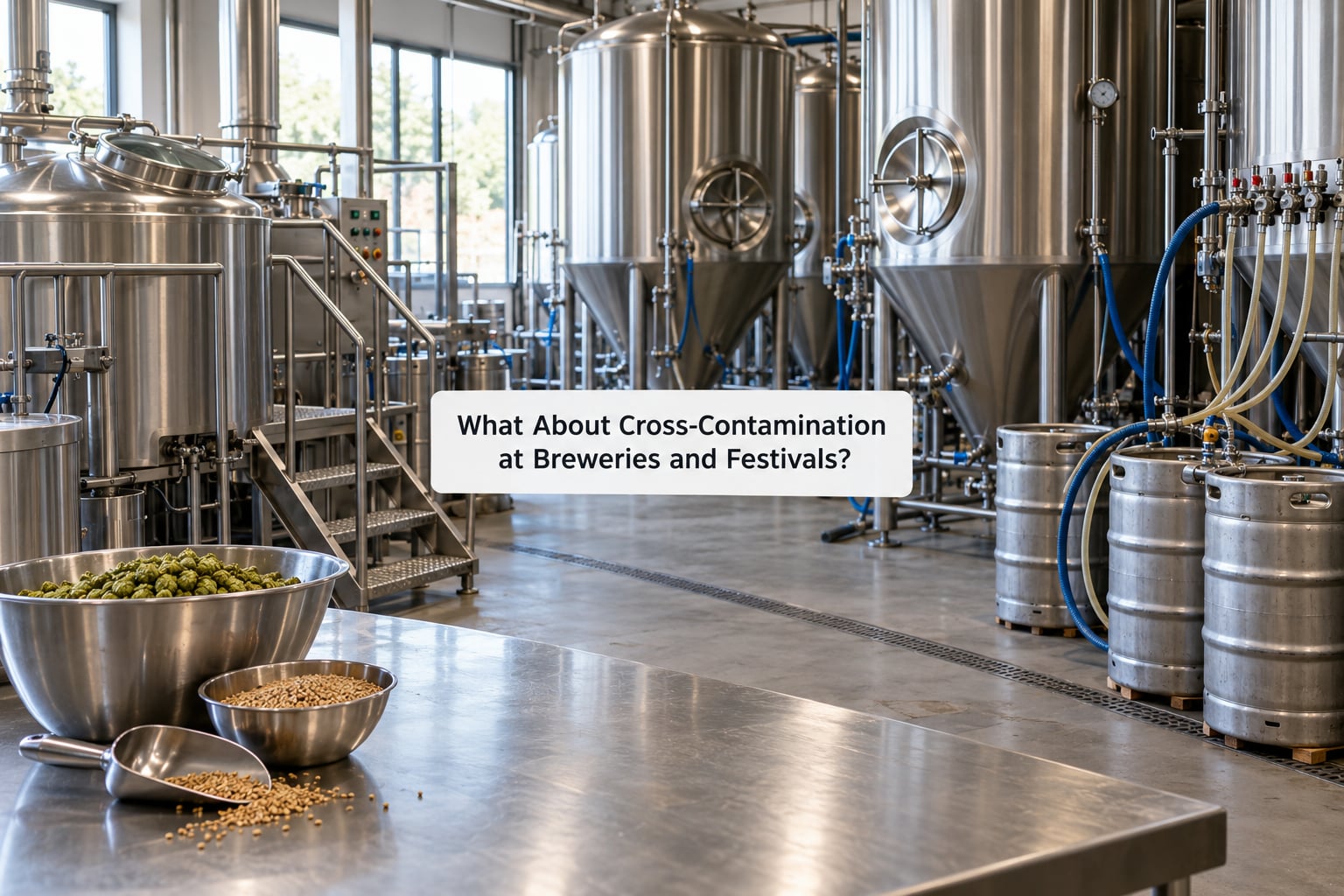
Ingredients are only half the risk. A brewery that runs a gluten-free beer through the same equipment as a barley beer can reintroduce gluten through shared mash tun, shared fermentation tanks, shared keg lines, and casks or barrels reused across styles. Servers, glassware and ice wells carry it too.
Festival service makes it harder. A tap list may have one gluten-free option pouring through a line cleaned between beers, on a busy bar, by staff who are working fast. Asking whether the beer came from a dedicated facility, or whether the same line poured a regular beer minutes earlier, tells you most of what you need to know.
How Do You Choose a Safer Beer at a Bar or Festival?
Use a fixed order of operations. First decide what standard you personally need, because a person with non-celiac gluten sensitivity and a person with celiac disease need very different things from the same tap.
Then work down this list.
- Ask what the beer is brewed from. Sorghum, rice, buckwheat or millet is a good sign; barley, wheat or malt is a stop.
- Ask whether it is brewed in a dedicated gluten-free facility. That is the question that separates safe from hopeful.
- Ask whether the tap or keg handled other beer. Lines, kegs and servers all matter at a taproom.
- Check whether the brewery or its website states the current recipe. Formulas change, and a year-old article may be out of date.
- Choose sealed cans or bottles when the line is uncertain. A canned gluten-free beer bypassed the tap system entirely.
- Stop if you are not sure. Symptoms can take hours to show, which makes a doubtful glass an expensive gamble.
If a menu lists a gluten-removed lager under a gluten-free heading, that is a question worth asking out loud, politely. Bar staff generally appreciate knowing before they hand someone a beer that will not work for them.
Frequently Asked Questions
Is Modelo beer gluten-free?
Most mainstream lagers, including mass-market brands such as Modelo and Michelob Ultra, are brewed from malted barley and are not gluten free, no matter how light they taste. A handful of widely distributed light lagers are made from rice or other gluten-free grains and do carry a gluten-free claim. The brand name tells you nothing on its own, so check the can for a certified gluten-free statement and dedicated-facility wording before drinking if you have celiac disease.
What alcohol is 100% gluten-free?
Distilled spirits are the clearest answer, because distillation removes gluten proteins from grain. Vodka, gin and rum made from corn, sugarcane or fruit are gluten free, and whisky aged in wooden barrels rather than malted-glass ones keeps its gluten out. Hard cider is usually fine, though some makers use barley to clarify it. Beer, hard cider with added grain spirits and malt-based coolers need label checking.
Can you drink beer if you have a gluten allergy?
A wheat or barley allergy is different from celiac disease and can be severe, so the risk of a reaction is higher rather than lower. A beer brewed only from sorghum, rice, buckwheat or millet does not contain those allergens, but cross-contact in a shared facility still matters. Anyone with a diagnosed grain allergy should talk to an allergist before choosing a brand, and carry whatever medication they were advised to keep on hand.
How much gluten is too much for people with celiac disease?
For labelling, 20 parts per million is the US and EU ceiling for a gluten-free claim, and 100 ppm is the EU’s very low gluten category. For an individual, that number is not a guarantee. People with celiac disease have reported reactions below 20 ppm, which is why celiac organizations recommend dedicated gluten-free brewing and against gluten-removed beer. Your own threshold is a question for your gastroenterologist.
Which gluten-free beers are easiest to find?
Dedicated gluten-free breweries have become far more visible, and names that come up repeatedly in celiac communities include Ghostfish Brewing, Holidaily Brewing, Redbridge, New Planet and Ground Breaker Brews. Availability depends heavily on region, and taproom pours rotate while canned releases sell through. Check the brewery’s current listings rather than an old tasting note, because the beer you liked may not be on the shelf any more.
Why does gluten-free beer taste different from regular beer?
Gluten proteins are what form a stable, lasting head and add body and slight sweetness to the finish. Alternative grains such as sorghum and rice have far less protein, so the foam collapses faster and the mouthfeel is thinner. Brewers compensate with specialty malts, hops and spices, which shifts the aroma toward citrus, tropical fruit and herbal notes. Some drinkers prefer it outright; others miss the texture more than the flavour.
Start with the can in your hand, not the tap menu. If it says gluten free, check for dedicated-facility wording, and if it says gluten-removed, put it back. For everyone else, the cheapest useful habit is keeping one or two canned gluten-free beers cold so the answer is never a guess.
This article is general health information, not medical advice. Talk to your doctor or dietitian about your own situation, especially before cutting gluten out of your diet.