Beer bloats because it delivers three things to your stomach at the same time: dissolved carbon dioxide that comes out of solution as gas, fermentable grains that gut bacteria keep working on, and alcohol that irritates the stomach lining and slows how fast it empties. Why beer causes bloating is rarely one single thing, and the actual trigger is different from one drinker to the next.
If you feel tight halfway through a pint, or you wake up the next morning still full, that is a common complaint and it usually has a fixable cause. This guide walks through the mechanisms, the beer styles most often blamed, and the practical steps that help.
Table of Contents
- What Causes Beer-Related Bloating?
- How Carbonation Traps Gas in Your Stomach
- How Alcohol and Beer Ingredients Can Add to Swelling
- Why Beer Causes Bloating in Some Drinkers More Than Others
- What Type of Beer Is Most Likely to Cause Bloating?
- Is Beer Bloating the Same as Weight Gain?
- Ways to Reduce Beer Bloat at a Bar Crawl
- When Is Beer Bloat a Reason to Contact a Doctor?
- Frequently Asked Questions
- How long does beer bloating usually last?
- Does carbonation cause more bloating than alcohol?
- Will switching to nonalcoholic beer stop the bloating?
- Can gluten-free beer still cause bloating?
- When should bloating after drinking beer see a doctor?
- What to Do First
What Causes Beer-Related Bloating?
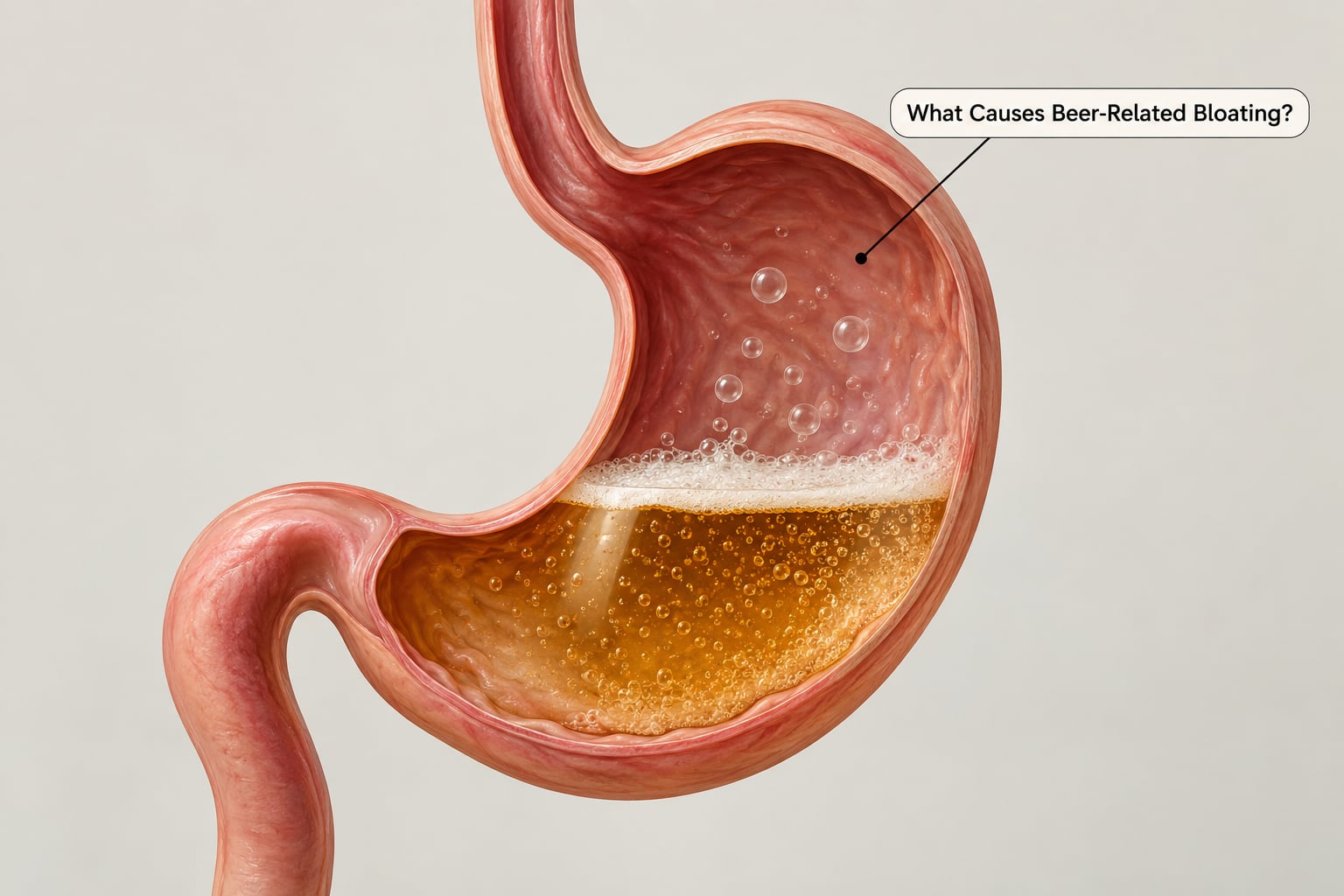
The short answer is that a pint delivers gas, fermentable carbohydrate and an irritant all at once. None of those three alone would bother most people. Stacked together, over a few drinks, they add up fast.
- Carbon dioxide comes out of solution as the beer warms in your stomach, adding physical volume and pressure.
- Fermentable grains and residual sugar give gut bacteria more to work on, and unfiltered beer also carries live yeast.
- Alcohol inflames the stomach lining and slows gastric emptying, so food and gas sit longer than they should.
- Volume and pace amplify everything, because a pint is a far bigger single serving than a wine pour and drinking fast adds swallowed air.
Dehydration plays a smaller supporting role rather than being a cause on its own. Alcohol suppresses a hormone that helps your body hold water, so what you lose in fluids comes back as temporary retention.
So which of the four is yours? That is the question worth answering, because it decides whether you change the style, the glass, the pace or the meal.
How Carbonation Traps Gas in Your Stomach
Beer is carbonated, which means carbon dioxide is dissolved in it under pressure. That gas is held in solution while the beer is cold. Once the liquid hits the warmth and acidity of your stomach, the gas comes out, and it does not get compressed back into the fluid on the way down.
The result is a stretch of the stomach wall that registers as pressure and fullness even though very little extra food is in there. A cold pint taken quickly on an empty stomach is the classic version of this.
Swallowing air makes it worse. Drink fast from a bottle or a can and you take in air with every swallow, a habit called aerophagia. Drink from a glass or a tap and the volume of air per sip drops noticeably. Beer served with a soda mixer adds a second, larger dose of carbonation on top of the beer’s own.
| Drink | Typical carbonation | Likely bloating effect | What makes it worse |
|---|---|---|---|
| Sour beer or gose | Moderate to high | Often noticeable on an empty stomach | Swallowed fruit sugars plus fast pouring |
| Standard lager or pilsner | Moderate | Mild for most people | Volume and speed of drinking |
| Wheat beer | High | Noticeable, and adds a breadiness some people dislike | Unfermented wheat carbohydrates |
| Hazy or unfiltered IPA | Moderate to high | Often reported as the worst offender | Live yeast and beta-glucans slowing digestion |
| Nitro stout | Low, nitrogen-driven | Usually gentle on gas | Creaminess and slow sipping of a full pint |
| Sparkling water | High | Useful as a carbonation control test | Drinking it fast |
| Beer with a soda mixer | High | Doubles the gas load | Large serving size |
| Flat or cask ale | Low | One of the gentlest options | Almost nothing |
That table is a rough guide, not a verdict. Plenty of people drink a heavily carbonated beer with no trouble at all, and plenty of people bloat on a low-carbonation lager. Carbonation is real, but it is not always the villain.
How Alcohol and Beer Ingredients Can Add to Swelling
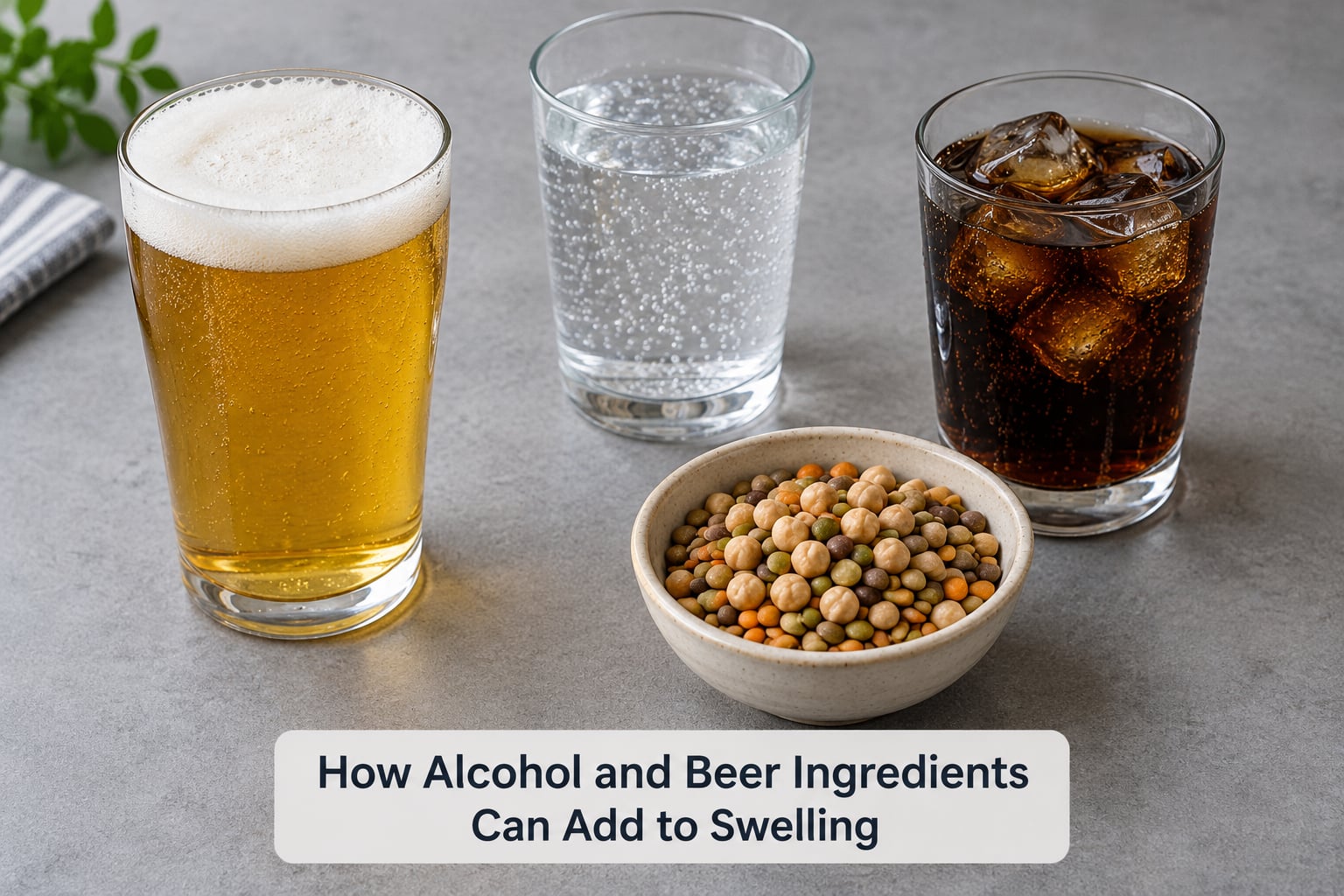
Alcohol is a gastrointestinal irritant. It can strip protective mucus from the stomach lining and increase acid contact with that lining, which is the mechanism behind alcohol-related gastritis. An irritated stomach empties more slowly and handles gas less comfortably, so the carbonation you would normally shrug off suddenly registers.
Most of the harm builds over repeated heavy drinking rather than a single night. If you have only ever noticed bloating on occasions when you drank a lot and ate little, that pattern is worth paying attention to.
Then there are the ingredients. Beer is brewed from malted barley and often wheat or rye, all of which contain gluten. It also carries residual sugars that yeast did not finish converting, particularly in heavier, higher-alcohol styles. Those fermentable carbohydrates are food for gut bacteria, and when bacteria ferment them in a warm, slow-moving stomach they produce their own gas.
Unfiltered and hazy beers add live yeast to the mix, which homebrewers and forum regulars both single out as a separate trigger. Beta-glucans, a soluble fibre in malted barley, thicken hazy beer and slow gastric emptying, so contents sit in there longer. Histamine, which forms in beer during fermentation, is another candidate that some sensitive drinkers report as the real issue, separate from gas.
Hops add their own irritant load too, and higher-alcohol styles carry more of it. None of these explanations is universal, and it is not accurate to say alcohol is the single reason beer bloats people.
Why Beer Causes Bloating in Some Drinkers More Than Others
Some of the difference is behavioural. Drinking pace is probably the biggest one, since fast drinking means more swallowed air and a larger gulp of carbonation per second. Eating patterns matter just as much, because food slows gastric emptying and softens the impact of gas.
Some of it is tolerance. People who regularly handle fizzy drinks build up an everyday tolerance to carbonation that does not exist in someone who only drinks beer a few times a year.
Some of it is digestive. Irritable bowel syndrome, small intestinal bacterial overgrowth and diagnosed gluten sensitivity all change how gas moves through the gut, and any of those can turn an ordinary pint into an uncomfortable one. Alcohol use does the same thing more strongly the more often it happens.
One more piece of honest uncertainty: if you are bloated most days of the week, whether or not you drink, beer is probably not the underlying cause. Nothing in this article is a diagnosis, and a clinician can look at the pattern properly.
What Type of Beer Is Most Likely to Cause Bloating?
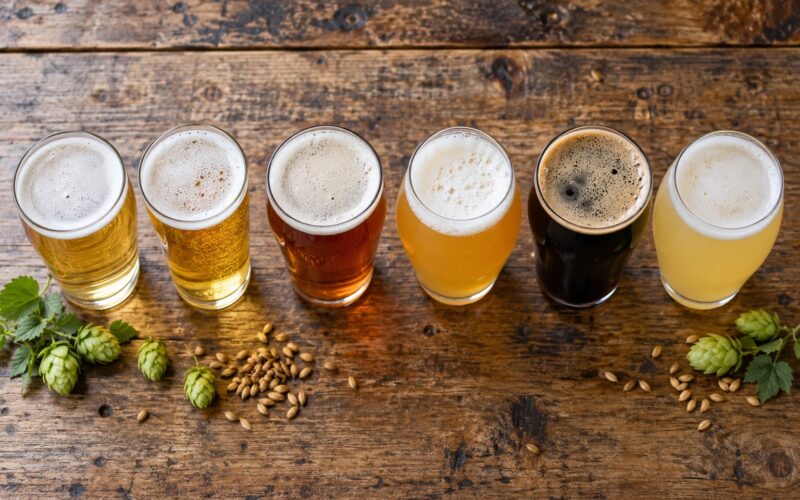
Heavily carbonated styles are the usual first suspect, so hazy IPAs, wheat beers, sours and gose top the list in the reports people share. What they usually have in common is unfiltered yeast, higher carbonation or a big grain load, so the triggers stack up rather than compete.
High-alcohol beers sit in the same category for a different reason. More ethanol means more stomach irritation and slower emptying, so the beer stays with you longer.
Beer with a mixer is its own problem. A mixed drink takes a pint, adds a second fizzy drink, and usually lands in a larger glass than the pour you ordered.
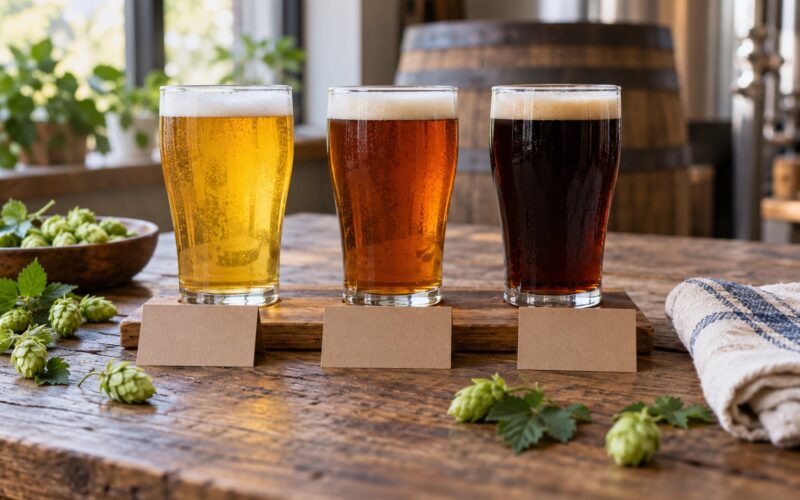
Lower-carbonation and lower-alcohol options sit at the gentler end: cask ale and other cask-conditioned beer, nitro stout, and light or session-strength lager. They reduce the problem rather than solve it, because no beer type guarantees that you will not bloat.
Individual response beats any rule. Someone who feels fine on a heavily carbonated IPA and terrible on a session lager is not making a mistake, they just have a different trigger than the person next to them.
Is Beer Bloating the Same as Weight Gain?
No. Bloating is gas and fluid inside the gut, and it moves around within hours as you walk, burp and pass gas. It comes and goes quickly and can shrink within a day.
Body fat is different, and it accumulates slowly over weeks and months of consistent surplus calories. One pint or one night out does not instantly create fat, and a bloated stomach on Sunday morning is not evidence of anything lasting.
A temporarily larger abdomen also has plenty of causes that have nothing to do with fat. Salty bar food draws fluid into the gut, constipation packs things in tighter than expected, and menstrual-cycle changes shift fluid around the abdomen in women. Carbonation on its own adds visible width for an hour or two.
Distinguishing the two matters, because chasing fat loss when you are actually dealing with gas sends you looking for the wrong fix.
Ways to Reduce Beer Bloat at a Bar Crawl
None of this asks you to stop drinking or to follow a plan. These are pace and portion adjustments that work on the night.
- Sip instead of gulp. Put the glass down between sips. This cuts swallowed air more effectively than anything else on the list.
- Switch to half-pints or a quarter. A 570 ml pint is a large single serving, so ordering less reduces both volume and gas in one move.
- Eat a real meal first. Food slows gastric emptying and reduces the impact of carbonation. Skip the greasy and salty bar trays, which add their own discomfort.
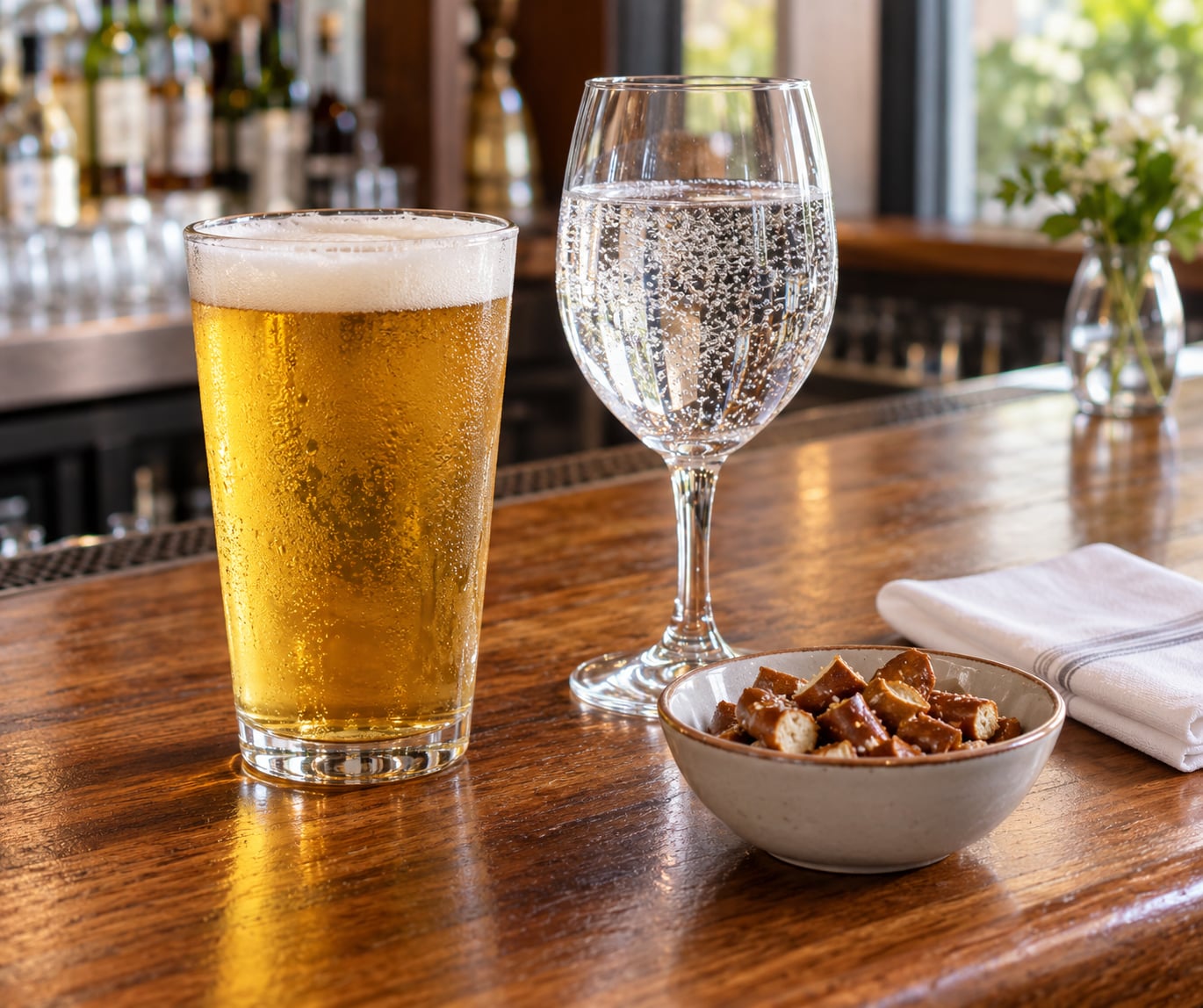
- Break up carbonated drinks. Alternate with still water or a flat drink. Water between beers also eases the dehydration angle.
- Watch the mixers. Spirits with soda or cola stack carbonation on top of the pour, and hard seltzers in quick succession are a common culprit.
- Give your stomach time. A ten to fifteen minute walk after drinking gets gas moving and usually feels better than sitting still with it.
- Try a flat or low-carbonation option. Cask ale, a nitro stout or a light lager removes much of the gas load for the evening.
- Consider an alcohol-free sparkling option. They are lower in alcohol but they are not automatically gentle on the gut, so test one on a quiet night rather than a crawl.
One thing to test rather than assume: alcohol-free beer causes the same bloating for many of the same drinkers, because the gas and the fermentable carbohydrate are still there. Only the ethanol is missing.
When Is Beer Bloat a Reason to Contact a Doctor?
This article is general information, not medical advice. Most temporary bloating after drinking clears on its own and does not need a doctor.
Seek prompt medical care if you have severe or persistent abdominal pain, repeated vomiting, blood in your vomit or stool, chest pain, or difficulty breathing. A swollen abdomen that does not settle, yellowing of the skin or eyes, and unexplained weight loss are all reasons to book an appointment rather than wait.
Recurring bloating that shows up on days you do not drink, or that has been going on for weeks, deserves a proper assessment from a clinician or a registered dietitian. Nothing here can tell you which cause is yours, and that is exactly what they are set up to work out.
Frequently Asked Questions
How long does beer bloating usually last?
For most people, the distension peaks within a couple of hours of drinking and clears by the next morning. Bloating that lasts into the following day usually points to volume, a heavier style or food eaten alongside, rather than carbonation alone. A hard swollen belly that persists for days is not typical and should be discussed with a doctor.
Does carbonation cause more bloating than alcohol?
It depends entirely on the person, which is why the folk answer of just blaming fizz is unreliable. Alcohol irritates the stomach lining and slows digestion, carbonation adds gas and pressure, and they stack. Some people breeze through heavily carbonated beer and bloat on a still drink. Others feel full after one pint of lager.
Will switching to nonalcoholic beer stop the bloating?
Often not, and this surprises people. Alcohol-free beer still contains dissolved carbon dioxide, fermentable carbohydrate and sometimes live yeast, so it can produce the same distension in the same drinker. It removes the ethanol and the stomach irritation, which helps some people a lot and makes no difference at all to others.
Can gluten-free beer still cause bloating?
Yes. Gluten-free beer removes gluten but keeps the barley-derived fermentable sugars, the yeast and usually the carbonation, so other triggers remain in place. If bloating stops when you switch, that is useful evidence to bring to a doctor. If it does not stop, gluten was probably never the main trigger for you.
When should bloating after drinking beer see a doctor?
Contact a clinician for severe or persistent pain, repeated vomiting, blood in vomit or stool, chest pain, difficulty breathing, a swollen abdomen that does not settle, yellowing skin or eyes, or unexplained weight loss. Book an appointment if bloating happens on days you do not drink or continues for weeks, since that pattern points away from beer.
What to Do First
Slow the pace down, order half-pints, and eat before you start. Drop back-to-back carbonated drinks and mixer-heavy cocktails for a night, and try one flat or low-carbonation option to see whether anything changes.
Then track it for two weeks. Note the style, the amount, what you ate and how the evening went, and you will usually find your own answer to why beer causes bloating in your case. If the symptoms are painful, persistent or unfamiliar, take that pattern to a doctor rather than working it out alone.