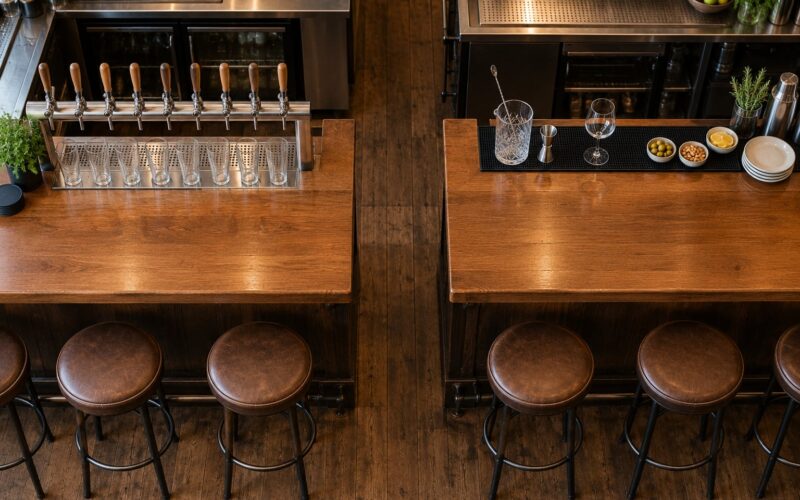
A brewery tour is a guided or self-guided visit to a working brewery where you walk the production floor, see how beer is actually made, then taste the finished beer with the people who made it. On your first one, watch four things: whether the staff can explain their process without reading a script, whether the glass in front of you matches what you just heard, whether the beer tastes fresh and clean, and whether anyone is happy to answer a beginner’s questions. Get those right and the rest is decoration.
This guide was updated for 2026 and written for people who know almost nothing about brewing. No jargon required, no tasting vocabulary assumed. If you can tell the difference between a lager and an IPA, you’ll get plenty out of it. If you can’t, that’s exactly the point.
Table of Contents
- What to Look for on a First Brewery Tour
- The Brewery’s Beer Style and Brewing Process
- How to Listen During the Tour
- The origin story
- Fermentation and packaging choices
- Quality control
- How they handle your questions
- What they say about difficult beer
- What to Notice When You Taste the Beer
- What to look for on a first brewery tour, one sip at a time
- Questions Worth Asking the Brewery Staff
- Tour Etiquette and Practical Details
- Age, ID, and who can come in
- Arrival time and reservations
- What to wear and bring
- How much you drink
- Photographs and accessibility
- Tipping and paying
- How to Tell Whether the Experience Is High Quality
- Clarity of explanation
- Hospitality
- Attention to detail
- The beer itself
- The link between explanation and glass
- How the visit ended
- Frequently Asked Questions
- Do I need to book a brewery tour in advance?
- Do I need an ID to go on a brewery tour, and can I bring kids?
- Can I go to a brewery tour if I don’t drink alcohol?
- What should I wear and bring to a brewery tour?
- In what order should I taste the beers on a flight?
- Your First Brewery Tour: Where to Start
What to Look for on a First Brewery Tour
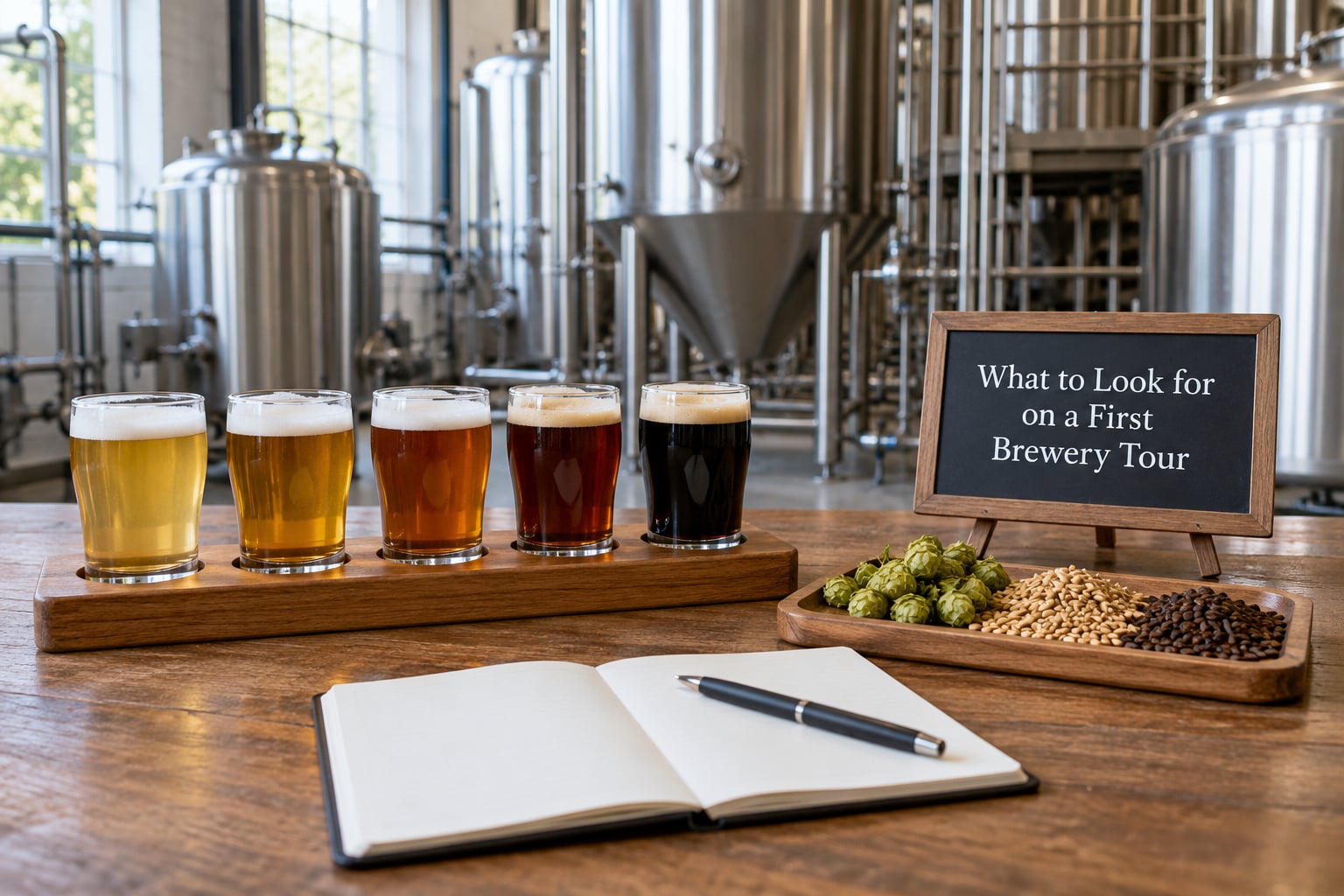
Six signals tell you whether a brewery and its tour are worth your afternoon. Most first-timers notice two or three of them, which is plenty to get something useful out of the visit.
- The beer has a point of view. Every brewery has a core style it is known for. If a taproom pours forty beers and none of them feels like the reason this place exists, ask the bartender what they would pour you.
- The explanation matches the beer. Listen for the moment the guide says something and then taste to see if it’s true. A brewery that explains its hop choice and then pours a beer where you can smell it has earned your attention.
- Staff treat questions as normal. On the r/beer thread about first brewery visits, the most repeated advice was blunt: ask the question anyway. Beginner curiosity is not a burden. Anyone who works in a taproom has fielded every question you’re about to ask.
- The glassware is clean and the pour is right. Clean glasses, correct temperature, and a taste-sized pour rather than a full pint tell you the taproom takes the beer seriously.
- The production area is tidy. Floors, walkways, and hoses have a place. Disorder on a working floor usually shows up in the beer later.
- You’re not being funnelled. A good visit ends with an invitation, not a sales pitch. Being steered hard toward merchandise or growler fills is a fair signal that the tour was a marketing wrapper.
That last point matters more than people expect. A taproom that lets you leave after one beer without asking twice is usually a better place than one that treats every visitor as a customer in progress.
The Brewery’s Beer Style and Brewing Process
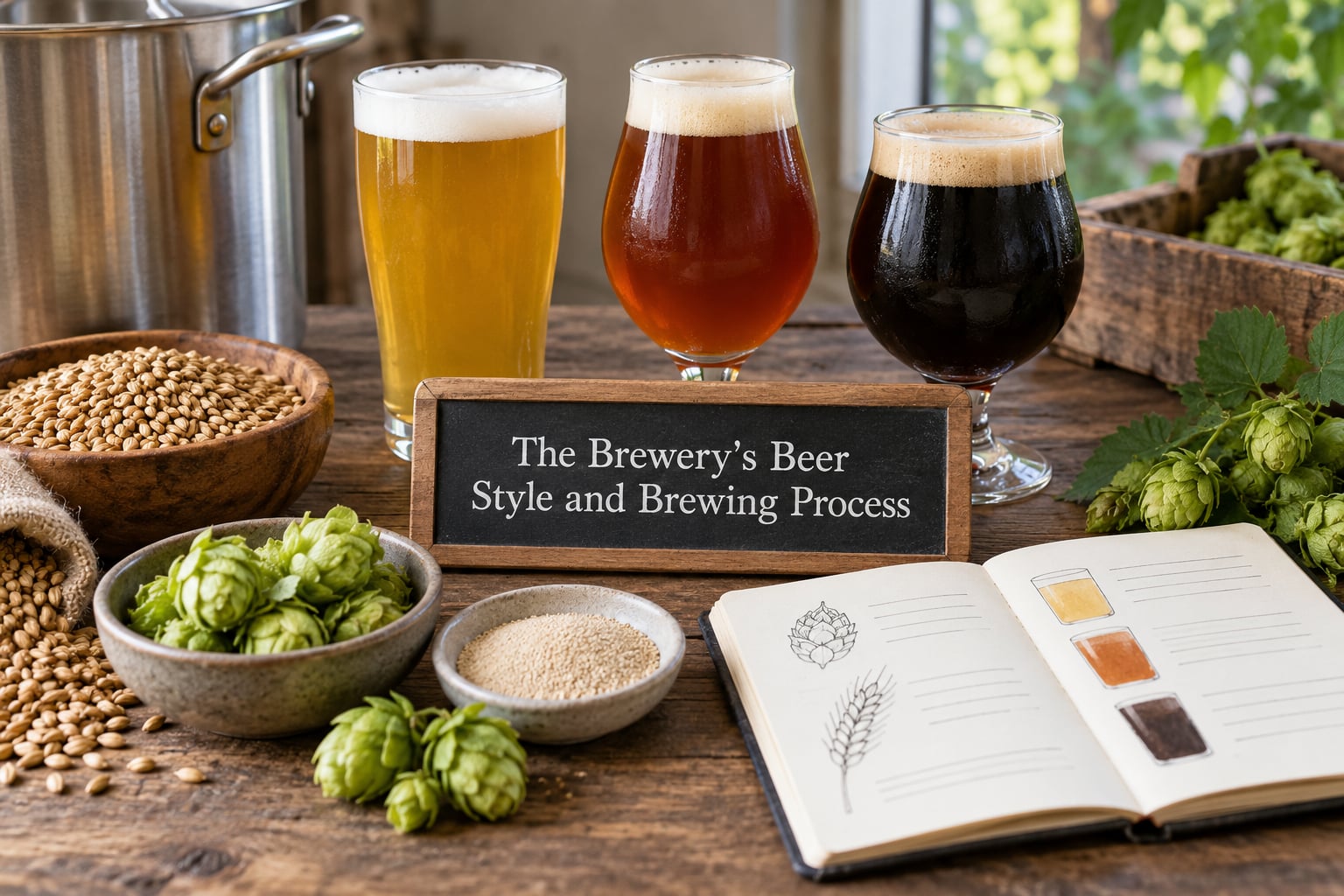
The fastest way to understand a brewery is to ask what they brew most often. The answer tells you their equipment, their water, their yeast, and their market. A brewery famous for hazy IPA is running a different process from a lager-focused one, and the tour will show you why.
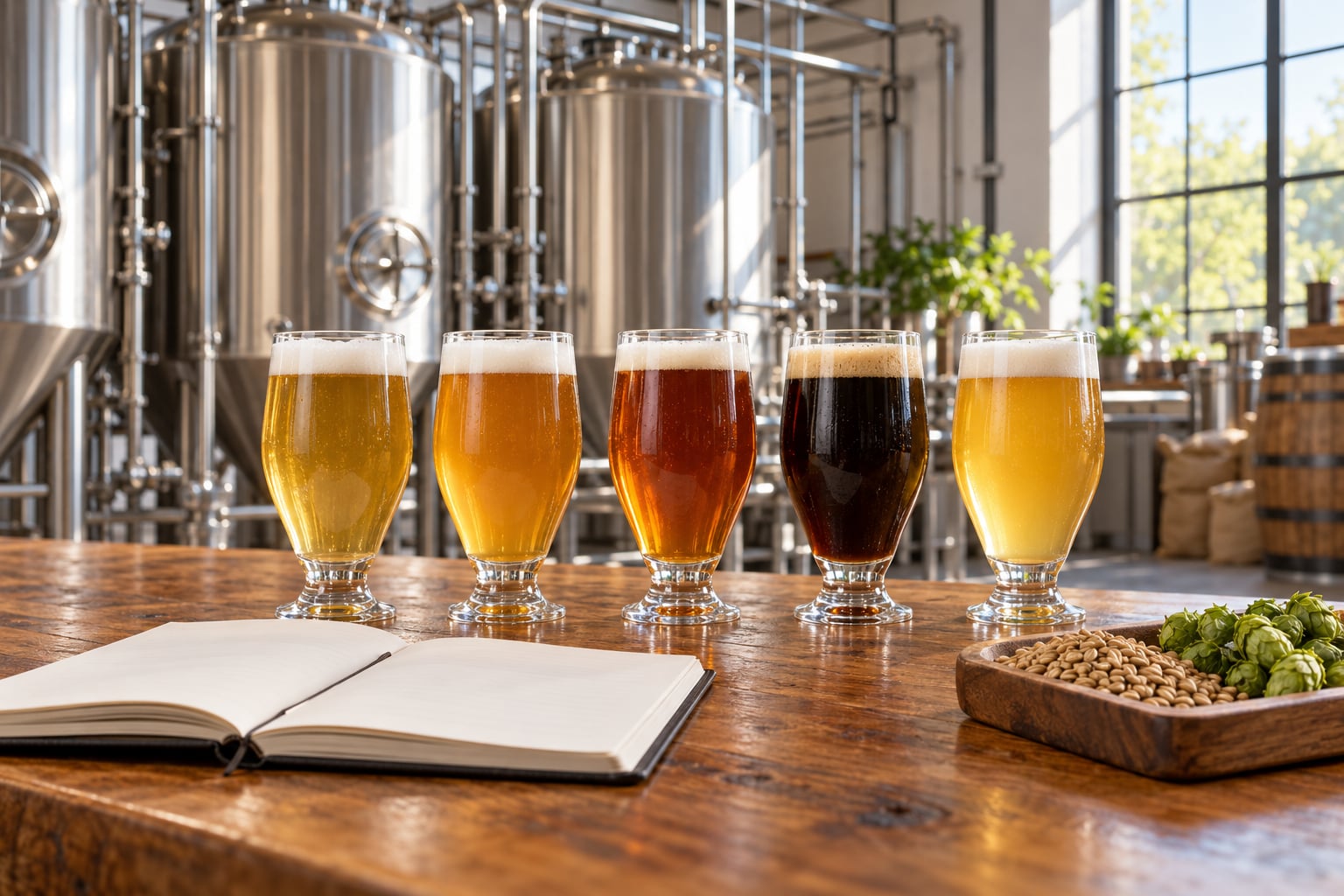
Here’s what the equipment in front of you actually means. Learn these eight and you’ll get more out of the tour than most visitors do.
- Mash tun. Milled grain meets hot water and turns into sweet wort. Mash temperature and the grain bill shape the beer’s sweetness and body.
- Boil kettle. Wort is boiled with hops, spices, or fruit additions. Boil time and the hopping schedule drive bitterness and hop aroma.
- Fermenters. Stainless tanks where yeast turns sugar into alcohol and carbonation. The strain and the temperature here decide whether you get a clean lager or a fruity ale.
- Bright tanks. Finished beer held cold before it’s packaged. Beer here has already conditioned, so it’s as close as you get to what’s for sale.
- Dry hop wall or hop cages. Hop flowers or pellets added late or held separately. This explains the big hop aroma in the pale ale or IPA you’re about to taste.
- Barrels. Wood-aged beer, often with wild or resident organisms. The source of the tart, funky, or wine-like notes in sour and barrel-aged styles.
- Packaging line. Where cans and bottles get filled and sealed. A good line is sealed, dated, and clean; a bad one is a reason to skip that style.
- Scale of production. Two tanks or twenty tells you batch size and how often they brew. Small batches mean variation between visits; large batches mean consistency.
Also listen for how they talk about ingredients. Breweries that name their malt, their hop supplier, and their yeast strain are usually breweries that care how the beer tastes. Breweries that only mention awards are usually selling something else.
Freshness is the easiest thing to judge and beginners miss it constantly. If the beer tastes of cardboard, wet paper, or nothing at all, the problem is almost never your palate. It’s time between packaging and pour, or a tank that has been open too long.
How to Listen During the Tour
A tour is mostly someone talking. Knowing which parts of that talk carry real information saves you from standing there nodding for forty minutes.
The origin story
Every brewery has one. What you’re listening for is whether it explains the beer. A story about a founder’s homebrew recipe tells you something about the flagship. A story about the neighborhood tells you something about the taproom. A story that mentions no ingredient at all tells you the tour script was written by marketing.
Fermentation and packaging choices
Listen for temperature, tank type, and how long the beer sits before it goes out. Ale yeast at cellar temperature and lager yeast near freezing produce very different results from the same grain. If the guide says a beer is cold-conditioned for two weeks before packaging, that’s a direct explanation for a cleaner, smoother taste.
Quality control
The phrase people rarely hear on a tour is the one worth listening for. A brewery that mentions sensory panels, gravity checks, or filtering decisions is telling you they measure things. A brewery that only mentions growth is telling you something else. Ask a single question about it: “How do you know a batch came out right?”
How they handle your questions
The answer to a question you didn’t know to ask matters. Beginners on forum threads almost always report the same result: staff were happy to go deeper than expected. The occasional tour guide who rushes to the merchandise table is telling you the tour is a script, not a conversation.
What they say about difficult beer
Listen carefully here. A brewery that explains why a batch turned out differently, or why a sour program takes eighteen months, is a brewery that has thought about its beer. Every brewery has beer it wouldn’t serve again. The one that can’t name the mistake is the one to be careful with.
What to Notice When You Taste the Beer
Tasting well is much simpler than people make it sound. You are checking five things in order, and you’re allowed to like or dislike whatever you find. Nobody is grading you.
Look first. Color, clarity, and foam. A hazy beer should be hazy; a clear pilsner should be clear. Head retention on a fresh pour tells you about the protein and how well it was poured, not about quality on its own.
Smell before you drink. This is where beginners get the most out of a tour. Put your nose in the glass rather than sniffing from a distance. Look for a dominant family: citrus and pine in a West Coast IPA, tropical fruit in a hazy one, banana and clove in a hefeweizen, chocolate and coffee in a stout. Families, not individual notes. Professional tasters describe hops as grapefruit, pine, or resin because those are the closest words they have, not because grapefruit is hiding in the glass.
Then the sip. Is it thin and sharp, or thick and soft? Does the bitterness arrive all at once and leave you dry, or does it sit alongside something sweet? Beer that is bitter and balanced is doing what it’s supposed to. Beer that is simply bitter is a different conversation.
Finish it. The aftertaste is where styles separate themselves. A clean lager ends almost immediately. A stout lingers with roast. A sour pucker keeps going. The finish is also where you check whether anything tastes wrong: sourness in a clean pale ale, or a solvent or acetone note, are worth mentioning to staff rather than writing off.
What to look for on a first brewery tour, one sip at a time
Beginners on brewery-tour forums repeat one method more than any other, and it’s a good one: three sips in thirty seconds, finished within five minutes. It sounds strange written down. In practice it means you taste with attention, you don’t drain the glass to be polite, and you finish before the beer warms up and flattens into the back of your tongue.
Write a word or two per beer if you want to remember them. Four words on a napkin beats a memory that blends every sample into one general impression by the time you get to the fourth tap.
Two habits will help more than any technique. Rinse your glass with water between pours so the next beer tastes like itself, and drink water or eat something between flights. Forum regulars almost universally recommend eating a real meal before you go, because a full stomach lets you taste and an empty one just makes you feel buzzed.
And judge each beer against its own style, not against your favorite. A sour is supposed to be tart. A barrel-aged stout is supposed to taste like bourbon and oak. Comparing them to a pale lager tells you nothing except that you can’t taste. A beer festival is the fastest way to try lots of styles side by side once a tour has given you the vocabulary.
Questions Worth Asking the Brewery Staff
Ten questions that produce genuinely useful answers, and why each one is worth the ask. Pick two or three. Nobody expects all ten.
- What would you pour someone who’s never tasted beer? The staff answer tells you what the brewery considers approachable and what it’s proudest of. Most bartenders answer this instantly because they’re asked daily.
- What beer is on tap right now that you think most people walk past? Underrated favorite.
- Where do you get your hops and your grain? Local sourcing is the point of many regional breweries, and this question often starts a real conversation about the growing season.
- What seasonal or limited beer is coming next? The best reason to say hello to a local brewery early. Rotating releases mean the tap list you read online will be different when you arrive.
- Is this beer brewed here or brought in? Every taproom has contract brewed beers, and there’s nothing wrong with that. Knowing which is which tells you where to spend your attention.
- What do you recommend for someone who doesn’t drink alcohol? Most taprooms now pour non-alcoholic beer, soda, or coffee, and few advertise it. Asking gets you the full list.
- How do you keep every batch tasting the same? This is the quality control question. The answer reveals whether they’re measuring or guessing.
- What’s the biggest mistake you see homebrewers make? The easiest way into a technical conversation, and one of the friendliest questions you can ask.
- What’s in the tap that isn’t on the menu board? Sometimes an experimental batch, a keg that just finished conditioning, or something the staff are excited about and forgot to write down.
- When did this beer get brewed, and how long was it packaged before you tapped it? The freshness question, asked directly. Staff respect being asked.
If you’re genuinely shy about asking in front of a group, ask at the bar afterward. The bartender has more time, more samples, and usually more willingness.
Tour Etiquette and Practical Details
Breweries are working businesses that happen to let visitors in. A few habits keep the experience pleasant for everyone, including the staff who are mid-production.
Age, ID, and who can come in
In the US you must be 21 to enter a taproom tasting area, and you’ll show ID at the door. Expect the same in most places where taprooms serve alcohol. Many breweries will let minors into the taproom if they’re accompanied by a guardian and remain in a designated area with food, but the rules are set by each brewery and by state law. Call ahead if you’re bringing kids, because the production floor is almost always off limits to them.
Arrival time and reservations
Guided tours leave on the hour and are capped at a set group size, so being late means losing your slot. Book ahead for weekends and for anything involving a food truck. A walk-in visit to the taproom needs no reservation at all, which is the easier first move if you’re nervous about the formal part.
What to wear and bring
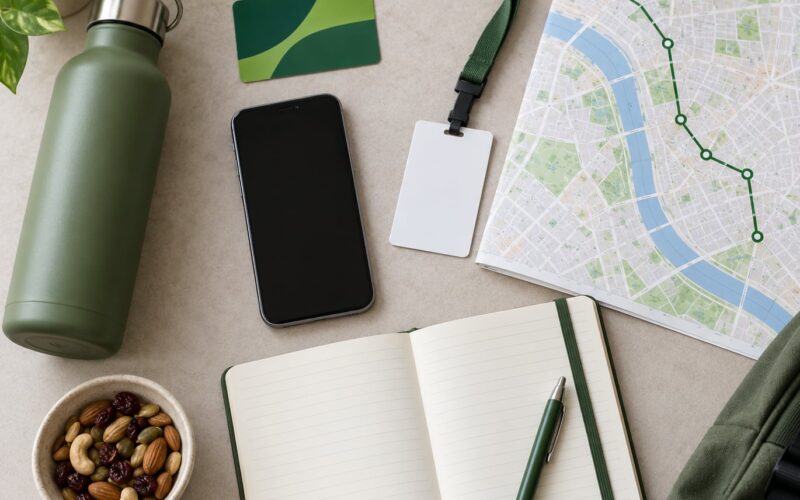
Closed-toe shoes with a closed heel are the one hard requirement on most production floors, because the floors are wet and there are hoses, pallets, and hot surfaces. Long trousers beat shorts. Leave bags, backpacks, and loose jewelry at the check-in counter if you’re told to. Bring a photo ID, a water bottle, and eat something substantial before you arrive.
How much you drink
Tasting pours are small by design, but they add up faster than people expect when there are six of them and no food. Spread the visit out, take water between pours, and treat the tasting as tasting rather than drinking. If you’re driving, most breweries sell filled growlers and sealed takeaway containers precisely so the driver isn’t excluded. Check your local laws before opening a container in the car.
Photographs and accessibility
Photography is usually fine outside the production area and frequently restricted on the floor, because of active production and proprietary setups. Ask first. Accessibility varies a lot: some newer taprooms are fully accessible, older buildings with brewing equipment often aren’t. If stairs or a step-free route matter to you, ask when you book rather than on arrival.
Tipping and paying
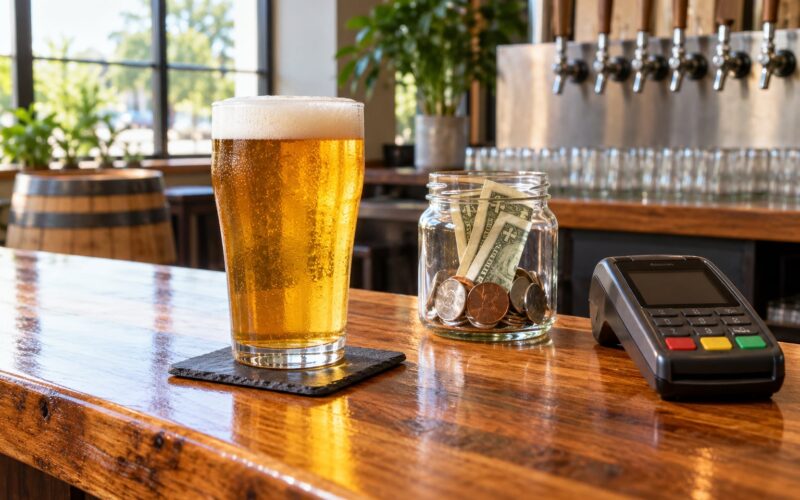
Taproom service is table service by law in many US states, so a tip is generally expected as it would be anywhere else. If you came for a paid tour, the fee is separate from the tasting. And if you can’t finish everything you were poured, ask whether you still pay for it — most staff will tell you honestly, and the answer is usually no.
How to Tell Whether the Experience Is High Quality
Score the visit honestly against six points before you decide whether you’d go back.
Clarity of explanation
Could you repeat the main point of the tour afterward? If you understood what the brewery does and why, the tour worked. If you understood that they have taps, it didn’t.
Hospitality
Were you greeted, offered water, and treated like a guest? Were beginners encouraged or steered? On the r/beer first-visit discussion, the consistent report from people who’d been nervous beforehand was that staff were friendly, enthusiastic, and eager for questions. Treat that as your baseline.
Attention to detail
Check the small things. Were the glasses clean? Was the pour correct for the style? Did the guide mention something you’d have noticed later on your own? Detail is where a brewery’s standards show up.
The beer itself
Did at least one glass make you pause? A great brewery has a range, but one beer that genuinely surprises you is worth more than ten that are merely fine.
The link between explanation and glass
This is the real test. If they told you about a hop addition and you can smell it, or about cold conditioning and it tastes smooth and clean, the brewery understands its own beer. That connection is the whole point of a tour.
How the visit ended
Did you get an answer about what to try next, or just a sales pitch? Did you leave wanting to come back, or feeling processed? That feeling is a decent forecast of whether you’ll return with friends.
Frequently Asked Questions
Do I need to book a brewery tour in advance?
For a guided tour, yes. Most breweries run fixed start times, cap group size so the guide can be heard, and often fill up on weekends and summer afternoons. For a taproom visit with no production-floor walkthrough, walk-ins are usually fine. If you want the tour, book it, and check whether you’re free at the start time rather than a window.
Do I need an ID to go on a brewery tour, and can I bring kids?
Yes to the ID. In the US you must be 21 to enter a taproom tasting area, and you’ll be asked at the door. Many breweries let minors enter the taproom with a guardian if they stay in a designated area and are eating, but the production floor is normally adults only. Rules vary by brewery and by state, so call ahead if children are coming.
Can I go to a brewery tour if I don’t drink alcohol?
Yes, and more people do than you’d think. Non-alcoholic beer is now on tap at a large share of breweries, and many taprooms also pour soda, coffee, kombucha, or shrub options that aren’t always listed online. Designated drivers are welcome, and breweries commonly sell sealed takeaway containers so the driver can take part without drinking. Ask about the list when you arrive.
What should I wear and bring to a brewery tour?
Closed-toe shoes with a closed back are the important item, since brewery floors are wet and cluttered with hoses and equipment. Long trousers beat shorts, and skip loose bags or jewelry if you’re told to leave them at check-in. Bring a photo ID, a water bottle, and eat a full meal beforehand. Leave your car keys with a designated driver if you’re sampling.
In what order should I taste the beers on a flight?
Go lightest to heaviest, and clearest to most opaque. Start with a lager or pilsner, move to pale ales, then IPAs, then stouts and barrel-aged beers. Saving strong beer for last keeps your palate clear enough to notice differences later in the set. Rinse your glass with water between pours, and take three sips in thirty seconds, finishing within five minutes.
Your First Brewery Tour: Where to Start
Pick a brewery whose tap list has a clear center of gravity. A place with five beers it does well teaches you more than a place with forty it does okay. Read the tour details before you book so you know the length, the group size, and whether you’re walking into a working floor.
On the day, eat first, arrive on time, and ask two questions: what should I start with, and how do you keep every batch consistent. Then taste properly rather than politely. Three sips in thirty seconds, finished inside five minutes, a word or two on a napkin for anything that surprises you.
Before you leave, note one beer and one explanation you want to come back for. That pairing is the habit that turns a tour into beer knowledge you actually use.