Most first-timers learn brewery tour etiquette the hard way, by arriving fifteen minutes late, reaching for a valve, and drinking six samples like shots. The actual rules are short and sensible: confirm the booking, eat something first, follow the guide, taste slowly, and decide how you are getting home before you take the first sample. Here is the whole thing, step by step, with nothing assumed about craft beer knowledge.
A brewery is a working food-production facility that also happens to let the public in. Stainless steel kettles are hot, fermenters are tall, floors get wet, and the person answering your questions is usually mid-shift. Good manners there are mostly about being predictable: stay where you are told, wait to be invited, and keep your hands to yourself.
This guide covers what to bring, how a tour actually runs, how to taste without making a scene, and how to leave the building sober. It should take about ten minutes to read and save you an awkward afternoon.
Table of Contents
- What You Need
- Step-by-Step Brewery Tour Etiquette
- Book and Confirm the Details
- Choose a Safe and Practical Route
- Arrive Ready Without Overdoing It
- Listen Before You Taste
- Taste Slowly and Take Notes
- Be Considerate With Staff and Fellow Guests
- Leave the Tour Under Control
- Common Mistakes
- Frequently Asked Questions
- Should I tip brewery staff on a tour?
- How do I handle a beer allergy during a brewery tour?
- Are brewery tours suitable for people who do not drink alcohol?
- What is the usual group size on a brewery tour?
- What should I do if I have had too much to drink during the tour?
- Conclusion
What You Need
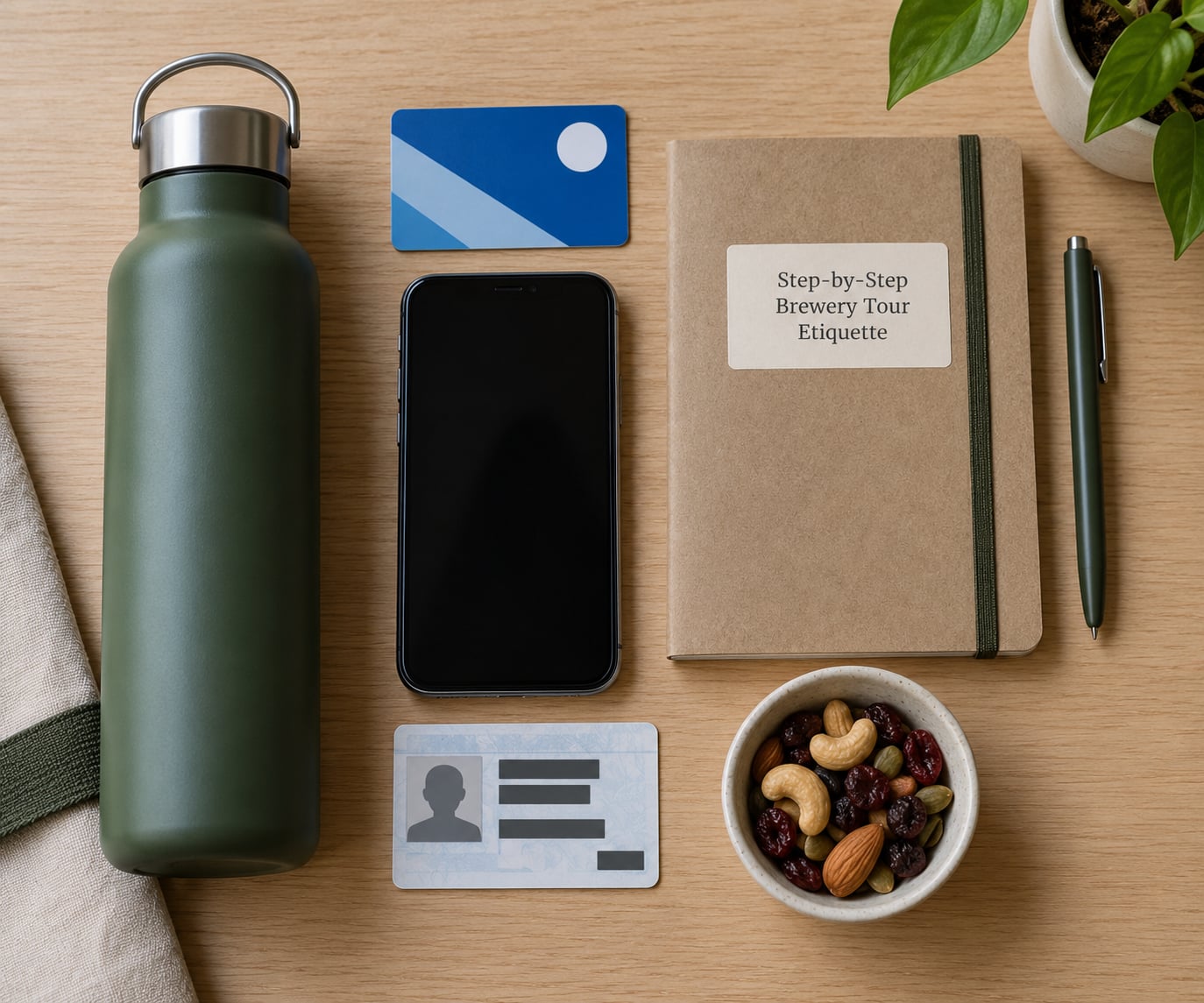
Bring less than you think and check more than you assume. Several of the items below are non-negotiable, and the rest depend entirely on the venue.
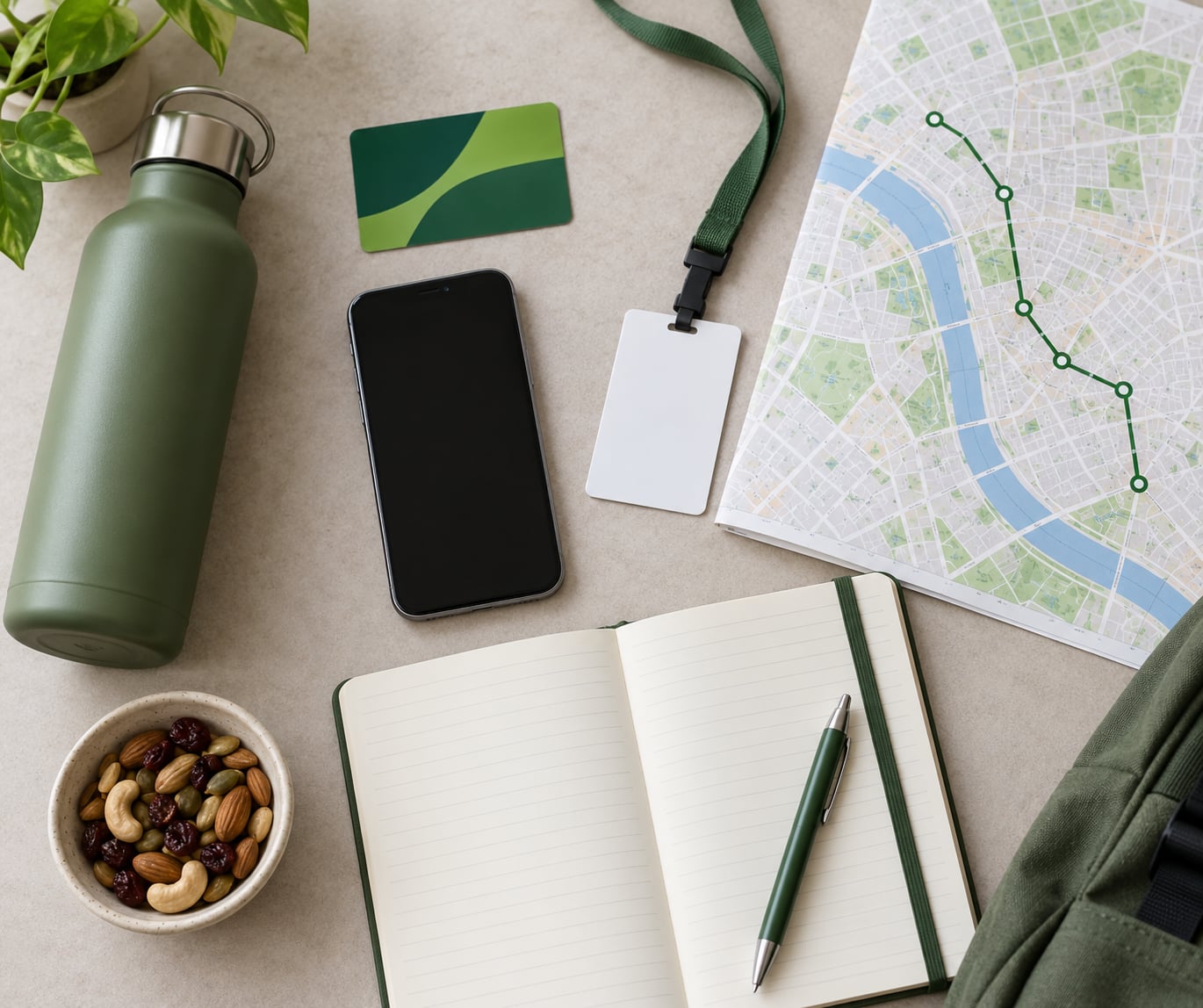
- Valid photo ID. You will be asked for it at check-in even if your ticket was bought online, and nobody can hand you a beer without it. Some taprooms also ask for proof of age at the door even when the tour portion is free.
- A confirmed reservation. Booking confirmations carry the meeting point, duration, group size, and age requirements. Screenshot it, because cell service in a warehouse district drops out exactly when you need directions.
- A transport plan. Decide the return trip before the tour starts, not after the third pour. Included transportation is uncommon; most venues expect you to arrange your own ride.
- Closed-toe, comfortable shoes. A production floor means standing, stairs, grating, and cold concrete for 30 to 60 minutes. Sneakers beat anything open-toed or new.
- A light jacket. Fermenters run cold and beer gardens get hot in the afternoon, and you will move between both.
- Your phone and a card. Payment is usually card-only at the bar, and your phone is how the guide finds you at a crowded stop.
- Something to eat, plus water. A sandwich before you arrive slows everything down. A protein bar and a bottle of water in your bag cover the gap between stops.
- Allergy information the venue asked for. If the booking form asked about allergies or sensitivities, answer it honestly. That is how a brewery routes people away from grain handling or dairy equipment.
Do not assume samples are unlimited, that food is available, or that kids are welcome. Many small breweries serve no food at all, and a rotating food truck is not the same as a kitchen. A few concrete numbers to hold in your head: a guided walkthrough usually runs 30 to 60 minutes, a flight holds three to six small samples, and a typical booking is per person for the tour only.
Step-by-Step Brewery Tour Etiquette
Book and Confirm the Details
Read the confirmation email line by line before you leave the house. It is where the meeting point, the tour length, the ticket cost, the age rule, the accessibility information, and the number of included samples all live. If something is missing, email or call the venue rather than assuming.
Two details catch first-timers out. First, food: ask whether the brewery serves food, hosts a food truck, or allows outside food, because arriving hungry to a venue with no kitchen ruins the visit. Second, samples: “one flight included” and “unlimited pours” are very different statements, and only the first one is normal.
Plan to arrive 10 to 15 minutes early. Group tours leave on the clock, and a late arrival usually means walking in mid-explanation or being folded into the next available slot, if one exists. You will know the timing worked when check-in takes under two minutes and nobody has to wait for you.
Choose a Safe and Practical Route
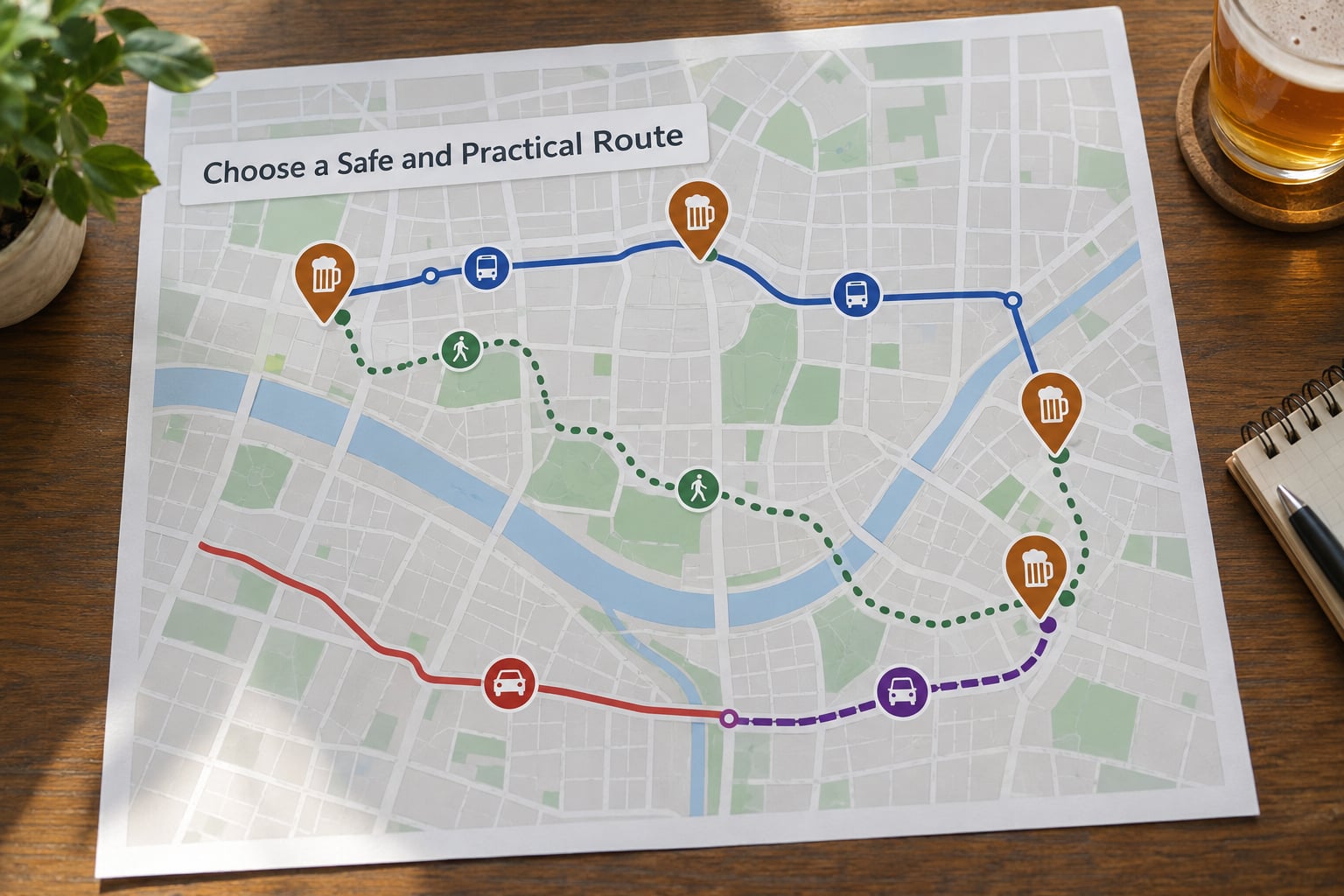
Count your stops and look at the spacing between them. Two breweries fifteen minutes apart on foot make for a good afternoon; four spread across a metro area make for a lot of transit time and a lot of tasting. Check parking rules, walking distance, and whether the route leaves you exposed to weather for long stretches.
Then pick a sober plan. A designated driver who is genuinely not sampling, a pre-booked rideshare, or public transit all work. What does not work is deciding at 5pm after a flight of imperial stout. In the D.C. area, most brewery clusters sit within a few walkable blocks of each other, which makes a walk-and-rideshare loop easy to sketch before the day begins.
One more check: restrooms. Production floors rarely have guest restrooms, and the taproom one can have a line on a busy Saturday. Knowing where the nearest one is saves you a genuinely awkward tour.
Arrive Ready Without Overdoing It
Eat a real meal an hour or two before, not a handful of chips in the parking lot. A full stomach slows absorption, keeps your attention where it belongs, and means you are not buying fries at an inflated taproom price just to get through the afternoon.
Hydrate on purpose. Water between samples is not a lesser drink, it is the single most useful thing a first-timer can do. A light snack and a bottle of water help you manage pace and stay pleasant to be around.
Be clear-eyed about what those habits do and do not do. Food and water make the day more comfortable and slow the pace, but they do not prevent impairment, and no amount of eating makes unlimited drinking safe. Nobody should arrive already tipsy, and nobody should plan to get that way.
Listen Before You Taste
The guide is mid-job. Silence your phone, stay within sight of the group, and walk where you are told to walk rather than drifting toward whatever caught your eye. If a sample is poured mid-walkthrough, sip it while listening rather than trying to review it in the middle of the explanation.
Watch how the process is described and ask from that. The mash tun turns grain and water into sugar, the kettle boils it into wort, the fermenters turn wort into beer, and the packaging line fills bottles, cans, or kegs. Questions that follow what the guide just showed you land far better than questions that announce you already know the answers.
Never touch equipment, ingredients, or barrels without asking, even when the guide invites you to smell a hop cone or taste wort straight from the kettle. Production areas have real rules: closed-toe shoes, hair tied back, no loose jewelry or dangling sleeves near moving parts, and hands to yourself around any vessel that is open. Keep walkways clear and never wander off alone.
Taste Slowly and Take Notes
The order matters more than the beer. Look at the color and clarity, smell it first and notice what comes up, then take a small sip and let it sit before you swallow. Assess it, then finish the sample or set the glass down when you are done. You are tasting, not finishing a beverage.
Decide what you think before anyone hands you a mixer or a note-taking sheet. Some hosts offer a slice of orange, a drop of water, or a palate-cleansing cracker on purpose, and swallowing the whole sample first means you never learn what your own palate thinks.
Notes should be short and honest: aroma, flavor, mouthfeel, and whether you would drink another. The word you are looking for is a preference, not a verdict. “I did not enjoy the bitterness” is preference. “Something is wrong with this beer” is a quality claim, and quality claims are worth making carefully, preferably as feedback on the way out rather than across the bar.
Two pieces of jargon you will hear immediately. A beer flight and a tasting paddle are the same thing: three to six small samples poured together, usually arranged light to strong. A pint is a full serving. Knowing the difference is most of what you need in order to order with confidence.
Be Considerate With Staff and Fellow Guests
Say thank you, let the person pouring samples finish before you ask for more, and keep your personal drinks out of production areas. If a shared tap is running, wait your turn like anywhere else. A group that hogs one corner table for three hours is the fastest way to make a taproom feel crowded.
Photography is normal, but people are not always part of the shot. Ask before you put a stranger in a frame, and ask again before recording anything with sound. Two polite questions cost nothing; a photo of a stranger’s face that ends up online costs the person who took it.
Asking a bartender for a recommendation is not a weakness, it is the single most common move first-timers make and staff enjoy it. Saying “I drink lagers and I have no idea what else exists” gets you a better answer than a vague request for “the best one.” If you drink nothing at all, ordering water or a soft drink all afternoon is perfectly normal and nobody minds.
On tipping, check the venue’s own policy instead of guessing. Breweries run three setups: a service charge already folded into the tab, a tip jar at the register, or no tipping at all. If tipping is expected, tip for good service, and never treat it as a way to buy forgiveness for a beer you simply did not enjoy.
Leave the Tour Under Control
The last stop is where good days go bad, because the tour ends and the beer does not. Decide in advance how many samples is your number, and stop when you reach it even if the table is still going.
If you feel impaired at any point, stop drinking and tell a staff member or your guide. Keep eating and keep drinking water, but do not treat that as a plan to continue. Stay with your group, follow staff instructions at the final venue, and leave the way you planned to leave.
Never drive after drinking, not even one short hop home, and never let a sober-sounding plan override how you actually feel. Keep an emergency contact in your phone, and if you are the designated driver, order whatever keeps the group happy and let the bartender know you are not sampling.
Common Mistakes
Almost every bad first visit traces back to one of these. The fix is usually small.
- Arriving late. Tours leave on time. Fix: aim for 15 minutes early and treat the start time as a deadline, not a suggestion.
- Skipping food. You arrive hungry, the venue has no kitchen, and you buy an overpriced sandwich anyway. Fix: eat before you go and check the food policy in advance.
- Sampling too fast. Six tastes in six minutes means you remember none of them and feel all of them. Fix: smell, sip, assess, finish, then wait a couple of minutes.
- Assuming unlimited refills. Most flights are one set of pours, and asking for extras hits staff from two directions. Fix: ask what is included at booking and finish what you were given.
- Forgetting ID. No ID, no entry, and no exceptions. Fix: photo ID in your hand, not buried in a bag.
- Getting louder as the afternoon goes on. Taprooms are already noisy. Fix: keep your voice at conversation volume for the people beside you, not the whole room.
- Pressuring staff for something stronger. Asking for the biggest or most bitter pour is the fastest way to look like a beginner. Fix: ask what the brewer is proudest of this season.
- Ignoring an allergy question. A blank answer on the booking form can put a guide in an awkward position on a floor full of grain and shared equipment. Fix: answer it, and if your reaction is severe, get medical advice before you visit at all.
- Choosing a ride after sampling. Fix: name the driver, the transit line, or the rideshare account before the first sample.
- Criticizing their beer in front of the room. Comparison, gatekeeping, and unsolicited brewing advice are the three things brewers hear most often and enjoy least. Fix: give honest feedback quietly, on the way out, to the person who pours your next beer.
Your ten-second pre-departure check: ID present, phone charged, meal eaten, water in the bag, ride arranged, allergy notes sent, reservation confirmation open. If every box is ticked, you are already ahead of most first-timers.
Frequently Asked Questions
Should I tip brewery staff on a tour?
Check the venue’s policy rather than guessing, because breweries run three different setups: a service charge already added to the tab, a tip jar at the register, or no tipping at all. If tipping is expected, a small extra on a tour tab is appreciated but rarely required. Tip for good service, not as a way to smooth over a beer you simply did not enjoy.
How do I handle a beer allergy during a brewery tour?
Tell staff before the tour begins, not halfway through. Breweries handle barley, wheat, rye and other allergens, and shared equipment means cross-contact is possible on most production floors. Ask whether the venue offers non-beer samples and whether your guide can route you away from grain handling. How severe your reaction is decides whether a visit is appropriate, so get medical advice first if reactions are serious.
Are brewery tours suitable for people who do not drink alcohol?
More often than newcomers expect. Taprooms sell soft drinks, coffee, cider and non-alcoholic beer, and many venues run guided tours where the tasting is optional. Say plainly at booking that you are not drinking so the venue can plan accordingly. Ordering water for the whole afternoon is completely normal, and skipping the samples costs you nothing as a guest.
What is the usual group size on a brewery tour?
Booked tours most often run somewhere between 8 and 20 people, and larger bookings get split into smaller groups so the guide can be heard on the production floor. A walkthrough of 30 to 60 minutes keeps everyone together, with tasting either mid-tour or in the taproom afterwards. Small groups of friends can often self-tour during quiet weekday hours without booking anything.
What should I do if I have had too much to drink during the tour?
Stop drinking and tell your guide or a staff member straight away. Water and food help with pace and comfort but do not sober anyone up, and impairment lags well behind the last sample. Eat something, switch to water, and take the ride you planned or a rideshare home. Never drive. Staff can help you reach a taxi, a friend in your group, or a quiet place to sit.
Conclusion
Confirm the booking, pick your ride, eat something, and put your ID in your hand. Those four things cover most of what goes wrong on a first brewery visit, and everything else on this page is a detail inside them.
Brewery tour etiquette comes down to four habits: listen to the guide, taste slowly, treat staff and other guests like people doing a job, and leave sober. Get those right and the hard part of being a first-timer is finished.