Here is non alcoholic beer taste explained, mechanism first: most of what you sense in a regular beer is created during fermentation, and the alcohol itself carries aroma, warmth and weight. Pull the alcohol out after the fact, or stop fermentation before it makes any, and you take flavor cues with it. What is left is usually thinner, sweeter and less hoppy, though the gap narrows with every year of better brewing.
The rest of this guide is the working explanation a brewer would give you. Once you can name what you are tasting, you can stop blaming the beer and start reading the label.
Table of Contents
- What Is Non-Alcoholic Beer?
- What Does Non Alcoholic Beer Taste Like?
- Why Does Non-Alcoholic Beer Taste Different From Regular Beer?
- Why non alcoholic beer tastes thinner than regular beer
- Does Non-Alcoholic Beer Taste Worse Than Alcoholic Beer?
- How to Taste Non-Alcoholic Beer
- How to Choose a Non-Alcoholic Beer You Will Enjoy
- How to Serve Non-Alcoholic Beer
- Frequently Asked Questions
- Why does non-alcoholic beer sometimes taste sweet?
- Is non-alcoholic beer more bitter than regular beer?
- Does non-alcoholic beer have the same calories as regular beer?
- How long does non-alcoholic beer stay fresh after opening?
- What type of non-alcoholic beer is best for beginners?
- Conclusion
What Is Non-Alcoholic Beer?
Non-alcoholic beer is beer brewed to contain 0.5% ABV or less in the United States, 0.05% ABV or less in the UK, and up to 1.2% in France, where that band can still carry an alcohol-free label. Anything above those lines gets called low alcohol instead.
Definitions differ across regions, and the words on the can are not interchangeable. In the US, non-alcoholic and non-intoxicating are the regulated terms for 0.5% ABV or less. In the UK and much of Europe, alcohol-free means 0.05% ABV or less, while de-alcoholised describes a beer whose alcohol was physically removed after fermentation from a stronger original. The European definition also requires the starting beer to have been above 2.8% ABV.
Every route into non-alcoholic beer runs through one of two strategies: take the alcohol away after it is made, or stop it from being made in the first place. Both strategies cost you flavor, in different ways, and the rest of this article is largely about those differences.
What Does Non Alcoholic Beer Taste Like?
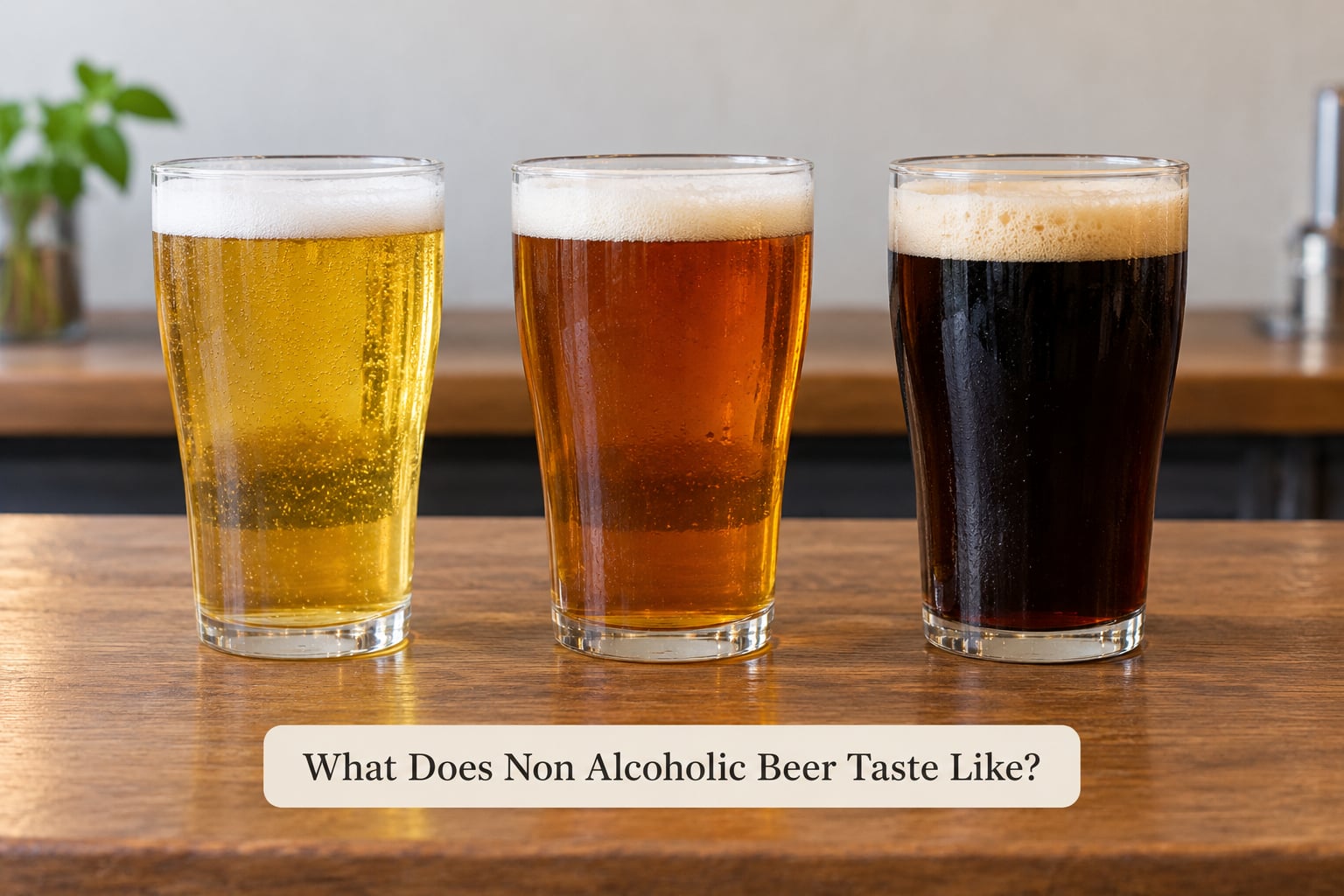
Most non-alcoholic beer reads as a softer, sweeter, lighter version of its alcoholic counterpart. Malt character usually survives, sometimes too well, because unfermented sugar keeps pushing sweetness into the finish. Hop aroma takes the biggest hit. Carbonation is often gentler, the body is thinner, and the finish arrives sooner than you expect.
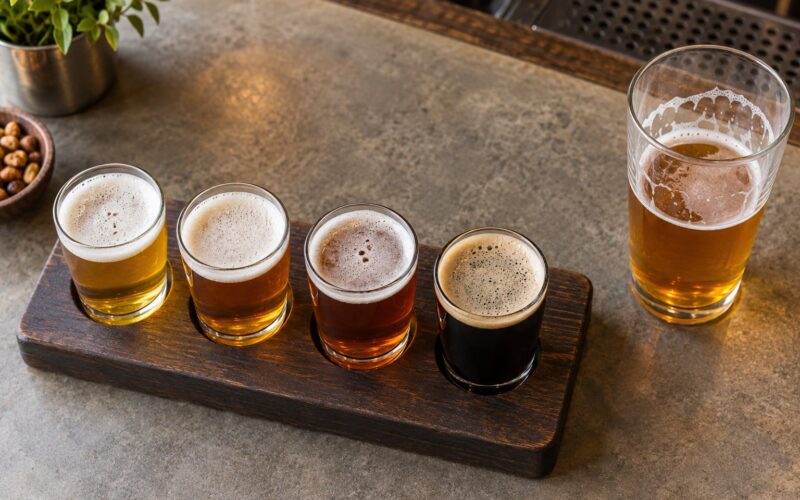
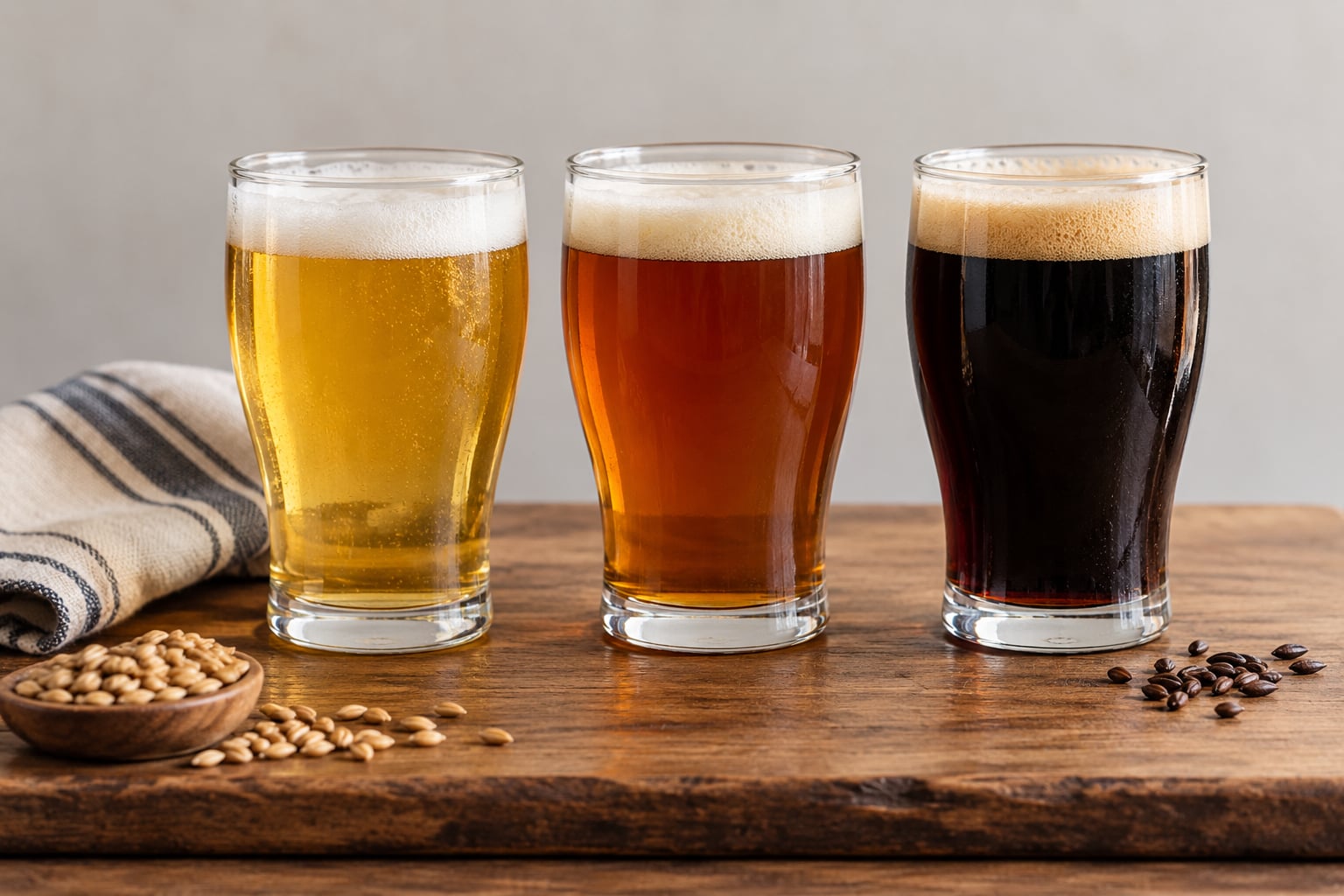
Styles diverge sharply from there. A pale lager hides the losses well, because the style was never asking for much. A hop-forward pale ale shows every gap. A stout or porter keeps roast and chocolate notes, since those come from roasted grain rather than volatile oils, but it usually loses the creamy body that made the style drinkable.
| Beer style | What it tastes like in non-alcoholic form | What you lose first |
|---|---|---|
| Pale lager | Light, faintly sweet, clean malt with a crisp bite | Very little; the style barely notices |
| Pilsner | Slightly sweet cracker malt, softer hop snap | Spicy noble hop aroma |
| Wheat beer | Soft banana and clove notes, light body | Cloudy, pillowy mouthfeel |
| Pale ale | Presentable malt with a thin edge to the bitterness | Nuanced hop aroma layers |
| IPA | Bitter, grassy and short, closer to dry-hopped water | Almost all of the aroma and resinous mouthfeel |
| Stout or porter | Roast coffee, cocoa and dark grain hold up well | Creaminess and lingering warmth |
| Sour beer | Sharp acidity, sometimes over-acidic after dealcoholization | Balanced acidity; it can read as vinegar |
One thing that trips up first-time drinkers is the aroma/taste split. A can can open with a burst of hop and malt smell that genuinely resembles real beer, then taste much flatter than the nose promised. Aroma is volatile chemistry, and aroma compounds survive differently from flavor and mouthfeel.
Why Does Non-Alcoholic Beer Taste Different From Regular Beer?
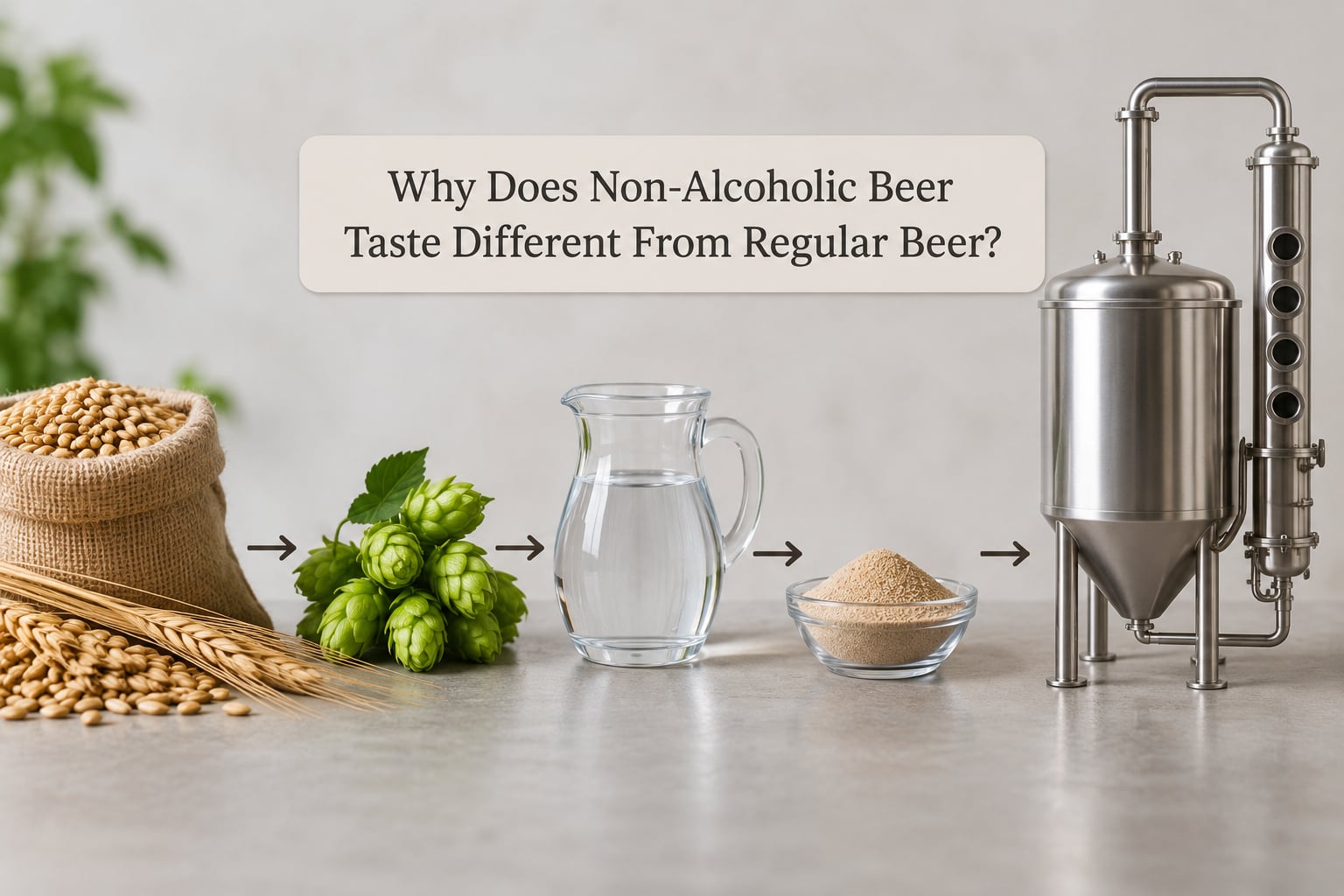
Non-alcoholic beer tastes different because beer flavor is a byproduct of yeast fermentation, not a flavoring added afterward. Yeast converts wort sugars into alcohol, carbon dioxide and a large family of aroma compounds called esters. Bitterness comes from hopping and from what the yeast no longer consumes. Remove or prevent the alcohol and you have removed or blocked the process that made all of it.
Heat-based dealcoholization makes the losses obvious. Ethanol boils at about 173°F, and the equipment used to strip it runs hot enough to take the volatile hop oils and much of the ester profile with it. A sensory descriptive analysis published in Brewing Science found that once alcohol is reduced, the remaining beer leans bitter and sour, exactly what you would expect when the sweet balance disappears but the bitterness does not.
Reverse osmosis is gentler on aroma but harsher on body, since the membranes that hold back alcohol also hold back some of the compounds that give a beer weight. Low-alcohol fermentation never heats the beer at all, which is why it keeps more aroma, but it pays for that in sweetness.
Why non alcoholic beer tastes thinner than regular beer
Alcohol contributes to mouthfeel, warmth and a slight viscosity that your palate reads as body. With less of it, the same wort tastes watery, and the carbonation stops feeling like a crisp bite and starts feeling like mild sourness. This is the defect homebrewers hit first: under the arrested-fermentation route, fewer than a fifth of the wort sugars get fermented, so unconverted maltose and maltotriose remain and the beer loses the density that made it drinkable.
Bitterness is then read as harsher for the same reason. Bitterness is normally judged relative to the beer’s body and gravity, so pull the sugar out and the same hopping rate feels more aggressive. Brewers who build low-alcohol beer around a fuller wort gravity and adjusted bitterness ratios get noticeably better results.
Style decides how much this matters. Thinness barely touches a light lager and is fatal to an IPA, where the entire design depends on aroma and resinous texture. Homebrewers searching for this answer usually find the consensus is blunt: arrested fermentation on its own rarely tastes like beer.
Does Non-Alcoholic Beer Taste Worse Than Alcoholic Beer?
It usually tastes different, and for most styles less satisfying, but no single answer fits every can. A well-made dealcoholized lager from a brewery that brews both versions can be genuinely good. A two-year-old canned IPA at room temperature is not, and the fault is as much storage as process.
Freshness matters far more here than in regular beer. Alcohol acts as a preservative and contributes to stability, so without it the beer oxidizes faster and any fault lands on your palate immediately instead of hiding. Cardboard, papery, cooked-apple and solvent notes that would disappear in a 5% lager sit right on the surface in a 0.4% one.
Format plays into expectation. Brewed and kegged versions arrive with better carbonation and, in many cases, a fresher package. Cans and bottles trade a little aroma protection for portability, and they sit in a supply chain for far longer. Adjust your expectations by method, and the disappointment drops a lot.
How to Taste Non-Alcoholic Beer
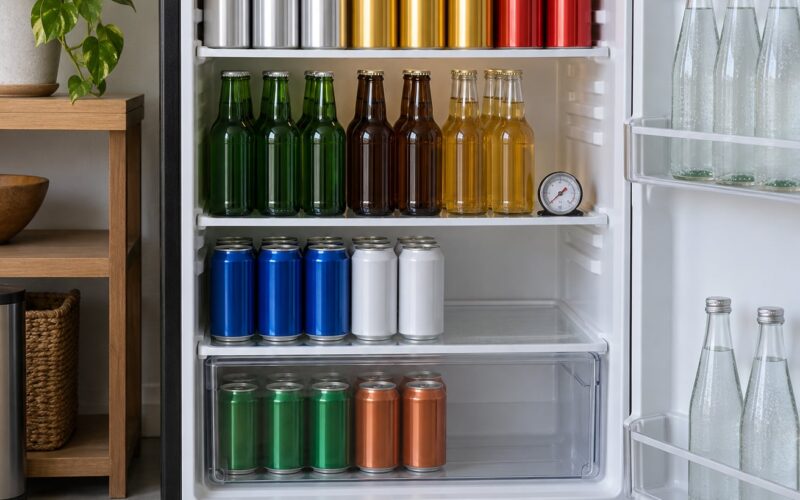
Taste it cold and slowly. A flawed beer that gets evaluated warm and gulped reads far worse than it tastes poured properly.
- Chill to about 40°F. Warm beer gives you extra carbonation bite, which masks thinness and makes the flavor easier to read.
- Use a glass with a bowl. A pint or tulip glass traps aroma and shows you the head, which signals carbonation before the first sip.
- Look before you drink. Note the color, the clarity and how much foam holds. Watery appearance and a head that vanishes in seconds both point to weak carbonation.
- Smell it first. Write down what the aroma promises. When the taste falls short of that promise, you have found a hop-loss problem rather than a bad recipe.
- Sip small and let it sit. Take a small sip, hold it a few seconds, then note the balance, where the bitterness sits, and how long the finish lasts.
On a lager-style version, listen for clean malt with a dry-ish middle and a short, thin finish. On a hop-forward version, ask whether you smell actual hop aroma or only grass, and whether bitterness arrives on the front of the tongue with nothing behind it. On a dark beer, check whether the roast character arrives as sweet and chocolatey or sharp and papery, since that difference separates a well-handled stout from an oxidized one.
A homebrew club I know runs these sessions blind, and the four words that come up most are thin, syrupy, metallic and papery. Learn those four and you can diagnose almost any can you are handed.
How to Choose a Non-Alcoholic Beer You Will Enjoy
Pick by style and by method rather than by hype. The label tells you more than the front of the can does.
- Read the ABV honestly. Anything at 0.5% or under in the US is non-alcoholic; higher numbers mean you are drinking low-alcohol beer with a different flavor and sweetness profile.
- Check the style. Start with lager, pilsner, wheat or a dark beer. Skip the hop-forward styles for your first can.
- Look for the method. A brewery that names its process, whether dealcoholized, reverse osmosis or low-alcohol fermentation, is telling you how the flavor will behave.
- Check the bitterness figure if it is listed. A high IBU on a light-bodied low-alcohol beer is the recipe for a harsh first impression.
- Buy the freshest package you can. Check the printed date, not just the shelf life, and prefer single formats over mixed multipacks you might not finish in time.
If you care about hop aroma specifically, look for breweries that add hop-derived aroma compounds after processing. It is a real technique and it explains why some cans smell so convincing. Just check the ingredient list if transparency matters to you, since consumers in homebrew and no-alcohol forums have raised this more than once.
How to Serve Non-Alcoholic Beer
Serve it a little warmer and softer than you would a standard lager, and use the same glassware you would for the alcoholic version. The ritual matters more than people admit, and matching it removes a layer of disappointment.
Pour down the side of a tilted glass to protect the carbonation, then rinse it once so the first glass is not all foam. Hold the glass so the neck stays cool and the bowl warms toward your hand, which keeps the head alive longer.
On food, the rules track normal beer. Pale lagers and wheat beers handle burgers, grilled chicken and fries. Dark beers take roast meat, sausages and sharp cheeses. Hop-forward versions pair with spicy food and pickles, and mild versions disappear against anything heavily sauced.
One thing worth adding carbonation to: if the beer tastes flat on a warm day, a splash of sparkling water or a fresh pour from a cold can brings back the bite and hides thinness. Skip the fruit juice, which pushes the sweetness you are trying to escape.
Moderation still applies. These drinks carry residual sugar and calories, and adults expecting an alcoholic effect should not treat them as interchangeable with alcoholic beer. People in alcohol recovery often treat even low-ABV beer cautiously for exactly that reason, and that is a decision for a doctor or a sponsor rather than a label.
Frequently Asked Questions
Why does non-alcoholic beer sometimes taste sweet?
Because the sweetness is structural, not a brewing mistake. In the low-alcohol route, under a fifth of the wort sugars get fermented, so unconverted maltose and maltotriose stay in the beer. Specialty strains such as Saccharomyces cerevisiae var. chevalieri ferment glucose, fructose and sucrose but leave those two sugars untouched, which is exactly how an unsweetened-looking beer still tastes sugary on the finish.
Is non-alcoholic beer more bitter than regular beer?
Often, and mostly by perception. Bitterness is judged against a beer’s body, so when low-alcohol beer loses density the same hopping rate reads as harsher. Heat-based alcohol removal also strips away hop aroma, which normally softens and balances bitter compounds. Brewing Science research on sensory descriptive analysis found reduced-alcohol beer leans bitter and sour, so the bitterness stays while the balance around it disappears.
Does non-alcoholic beer have the same calories as regular beer?
It depends on the product, and the differences run in both directions. Residual sugars left by low-alcohol fermentation can push a can above the calorie count of a standard light lager, while some brands compensate by building a thinner, lighter wort. The honest answer is that you have to read the nutrition panel per product. Treat a sweet-tasting non-alcoholic beer as closer to a soft drink than to a session lager.
How long does non-alcoholic beer stay fresh after opening?
Drink it in one sitting rather than saving it for later. Without alcohol acting as a preservative, oxidation moves fast and cardboard, papery and cooked-fruit notes show up within hours. Carbonation fades too, so a reopened can goes flat in a way an alcoholic beer would not. Keep sealed, keep cold and keep it in the fridge, and expect noticeably better flavor in the first hour after opening.
What type of non-alcoholic beer is best for beginners?
Start with a pale lager, pilsner, wheat beer or a dark beer. These styles lean on malt and roast character rather than hop aroma, so the losses from alcohol removal and processing are much harder to notice. Save the hop-forward styles and anything heavily aromatized for later, once you know whether you like thin body or syrupy sweetness. Most people land on lager or pale ale and stay there.
Conclusion
Non-alcoholic beer can taste refreshing, malty and genuinely hoppy, but it will never sit exactly where alcoholic beer sits. The losses are predictable: thinner body, fewer hop volatiles, more residual sweetness and a faster finish. Start with a fresh lager or pale ale, pour it cold into real glassware, and taste it in the first hour after opening. If you judge a whole category from one disappointing can, the category is not the problem.