Beer festival etiquette for first timers comes down to a few predictable things: eat a real meal first, drink water between samples, use the dump bucket when a beer is not for you, and treat the person pouring your beer like a human being who is on their feet for eight hours. None of it is complicated, and almost nobody at a festival is watching you the way you think they are.
Most first-timers spend their day quietly assuming everyone else was born knowing the difference between a pilsner and a saison. They are not. The person on the other side of the table usually knows a bit more than you, but they are pouring samples to strangers all day, not auditing you.
What follows is the full routine, in the order it happens: what to check the week before, how to sample without wrecking your afternoon, how to behave around brewers and other guests, and what to do when you make a mistake anyway. Updated for 2026.
Table of Contents
- What Should First-Time Beer Festival Attendees Know?
- You are not going to be judged for not knowing beer
- What a beer festival actually is
- How Do You Prepare for a Beer Festival?
- Check the event rules before you buy anything
- Plan how you are getting home, before you go
- Eat a real meal about an hour before you arrive
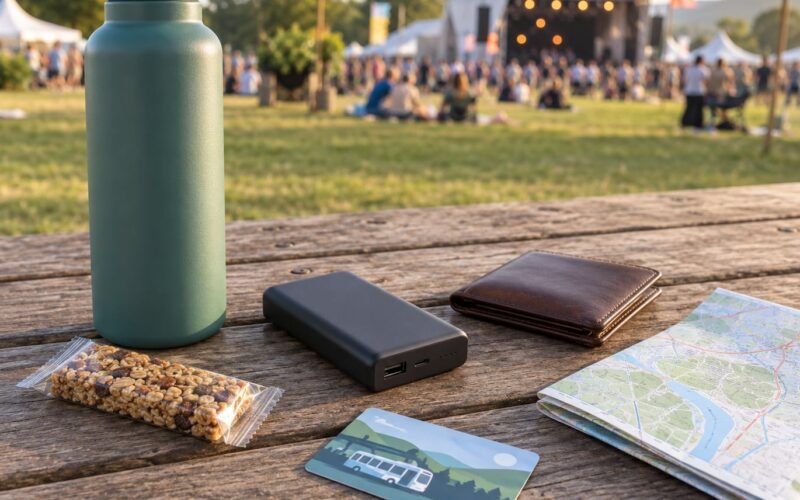
- What to bring
- What to wear to a beer festival
- How Do You Choose and Drink Beer Samples Responsibly?
- The sample math that makes this obvious
- Work in a sensible order
- Keep water in the glass and food in you
- Spitting and dumping are normal
- Ask for a lighter pour
- How Do You Behave Around Vendors, Breweries, and Other Guests?
- Talk to the brewery reps, briefly
- Look after your people, not just yourself
- Attitude toward the crowd and the venue
- What Should You Do If You Miss the Festival Etiquette?
- Frequently Asked Questions
- How many beers should I drink at a beer festival?
- Can I bring my own glass or drinkware to a beer festival?
- Is it acceptable to spit out a beer sample at a festival?
- How should I get home safely after drinking at a beer festival?
- Do I need to talk to brewery representatives at a beer festival?
- What should I do if I do not like a beer sample?
What Should First-Time Beer Festival Attendees Know?
Beer festival etiquette is the set of written and unwritten rules that governs how attendees pour, sample, pace and behave at a beer festival, from carrying a full tasting glass through a crowd to dumping a beer you dislike without offending the person who made it.
The rules exist for a simple reason that is worth understanding once: breweries pay for every sample poured out, and the person pouring is usually working a booth on their feet through a long shift. Courteous, low-friction behavior keeps the lines moving and keeps the beer affordable to offer. That is the whole logic behind it.
Beyond that, a festival is a crowded, noisy, alcohol-forward environment, and the handful of habits people repeat online, in forums, and from festival staff are mostly about not getting yourself into trouble. Eat, hydrate, pace, watch your drink, and get home safely.
You are not going to be judged for not knowing beer
Newcomers frequently ask online whether they will be spotted as a beginner among enthusiasts. They will not. Festival floors are full of people who arrived for the music, the food, or a friend, and seasoned attendees are almost always too busy arguing about hops to keep track of strangers.
Nobody expects you to know what a kolsch is. If somebody asks, the honest answer earns more goodwill than a bluff would. Ask what a style tastes like, in one sentence, and move on. That is the entire social skill required.
What a beer festival actually is
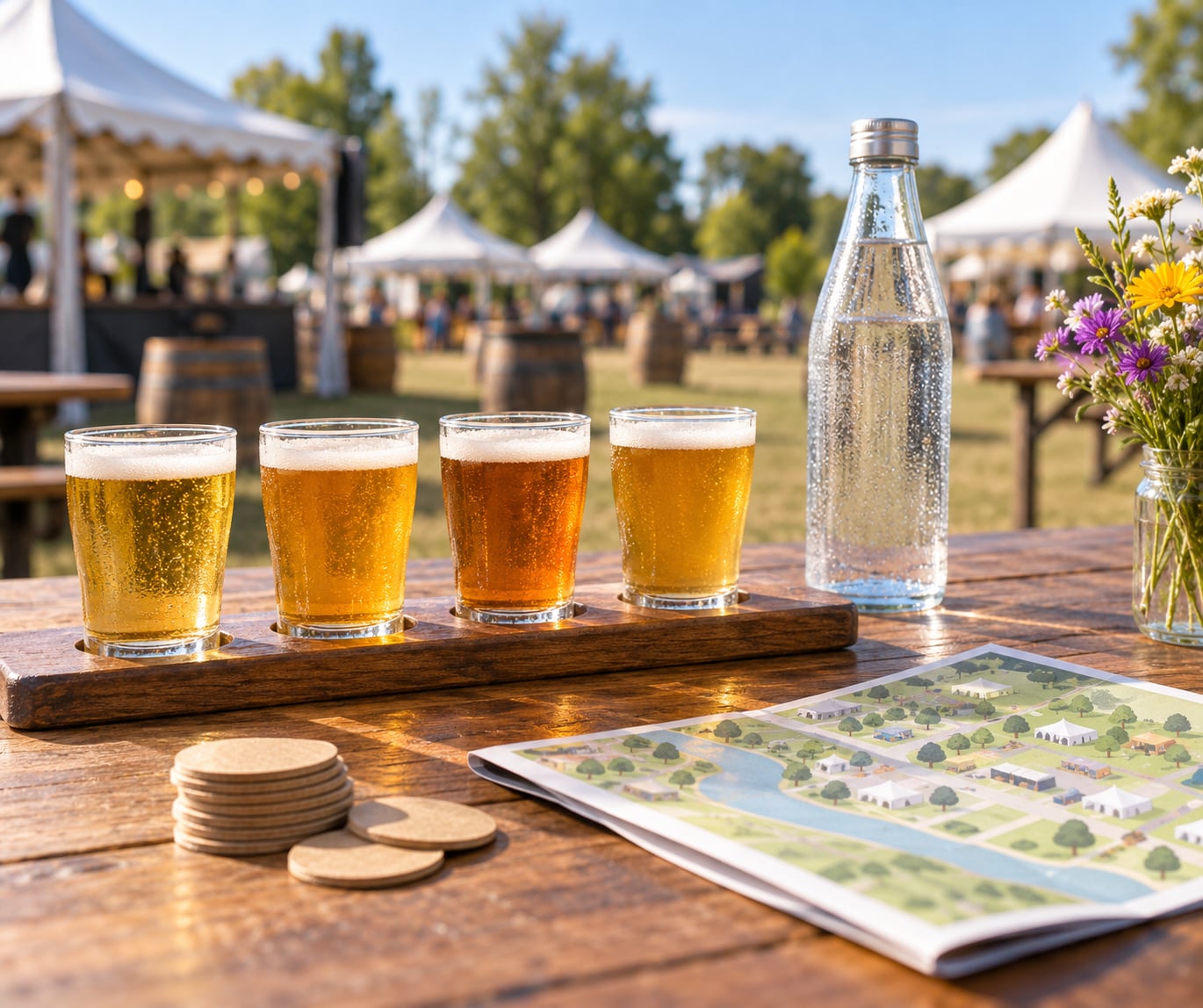
A tasting festival gives you a small reusable tasting glass and a set number of sample tokens, or a wristband with a set number of credits. Each pour is a small taste, not a beer. You walk the booths, take a sample, decide whether you want another, and use the tokens and credits you brought.
That distinction matters more than anything else on this page, because it is the reason a festival feels manageable once you understand it. You are not being served full beers all day, and you were never going to drink every beer on the floor.
How Do You Prepare for a Beer Festival?
Prepare the boring stuff first: read the event page, sort out transport, eat a proper meal, and pack a small bag. Most first festival disasters trace back to skipping one of these four steps rather than to anything that happened at the festival itself.
Check the event rules before you buy anything
Every festival publishes its own rules, and they are not interchangeable. Look for glassware rules, outside drink policy, cash versus card, bag size, re-entry, whether outside food is allowed, and the last call time. Some events are all-cash. Some forbid glass bottles. Almost all publish a rule against leaving your drink unattended, meaning you and only you handle it.
If a festival claims to have a numbered or coded rule, it will be printed in the event FAQ. There is no universal numbered rulebook shared across festivals, so when someone online cites one, check the specific event page before you act on it.
Plan how you are getting home, before you go
Decide the transport plan before you drink anything, not at hour four. Designate a driver in your group, book a rideshare for a specific pickup time and location, or use public transit that runs late enough. Parking at big convention-center festivals is often a long walk from the venue, which is a bad combination at the end of a long day.
Tell someone outside your group where you are and when you expect to be home. It costs nothing and it is standard practice.
Eat a real meal about an hour before you arrive
This is the single most repeated piece of advice across festival guides, and the reason is simple: alcohol on an empty stomach hits harder, hits faster and lasts longer. A full meal slows that down. A festival food vendor taco is not the same as a meal you planned.
Forum veterans also note that festival food quality is hit or miss, which is another argument for eating before you arrive rather than relying on the venue.
What to bring
- Photo ID and your ticket or wristband confirmation on your phone, with a screenshot in case signal is bad.
- A small amount of cash, since some vendors and some festivals are cash-only.
- An empty reusable water bottle to refill at water stations.
- A portable charger, because you will use your phone more than you expect.
- A crossbody bag rather than a shoulder bag, so it sits in front of you in a crowd.
- Sunscreen, a hat or sunglasses for an outdoor festival, and a light rain layer.
- Nail file or a small towel, since sticky fingers are unavoidable.
What to wear to a beer festival
Dress for a day on your feet in a crowd, in a room or field that is likely warmer than you expect. Closed-toe shoes matter more than anything else, because you will be standing in lines and someone will spill something eventually.
Nothing about the dress code is formal. People wear t-shirts, jeans, sneakers, sun hats and light layers. Two recurring questions get asked: what works for people who prefer not to wear a beer-branded shirt, and what to wear if you would rather not draw attention. Plain, comfortable clothing answers both. You are not obligated to advertise anything you drink.
One forum question comes up regularly: is it rude to wear another brewery’s shirt? It is not, and nobody at the festival cares, but if it would bother you to spark a conversation, wear something neutral.
How Do You Choose and Drink Beer Samples Responsibly?
Pace is what separates a good festival day from a blurry one. The technique is unglamorous: start light, take small tastes, drink water between booths, eat real food, and stop when you start enjoying it less rather than when it is finished.
The sample math that makes this obvious
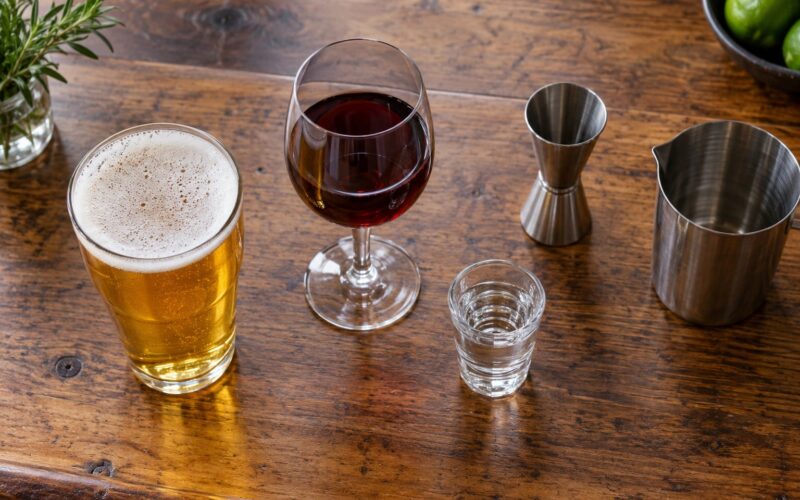
A tasting pour is about 2 ounces. That is the number that makes the rest make sense, because six 2 ounce samples add up to one 12 ounce beer.
| Samples poured | Total beer | Equivalent 12 oz beers |
|---|---|---|
| 6 samples | 12 oz | 1 |
| 12 samples | 24 oz | 2 |
| 18 samples | 36 oz | 3 |
| 24 samples | 48 oz | 4 |
Now count the breweries on the floor. A large festival with 200 entries would need about 335 samples to taste every single one, which is roughly 56 twelve-ounce beers spread across the day. You were never going to do that, and the festival was not designed for you to.
A workable target is 12 to 18 samples across a full day, spaced across four or five hours, with water in between. You will remember more of twelve beers you actually tasted than thirty you blurred past.
Work in a sensible order
Start with something light and familiar, such as a lager or a pale ale, and work toward heavier styles later. If you begin with a high-alcohol imperial stout or a barrel-aged sour, the next six samples will taste like nothing and your palate will be fried for an hour.
Many experienced attendees also suggest doing the styles you are curious about early, while your palate is fresh and the lines are shortest. Others grab the popular limited-release booths first, then wander. Both work. Having a loose plan matters more than the plan itself.
Keep water in the glass and food in you
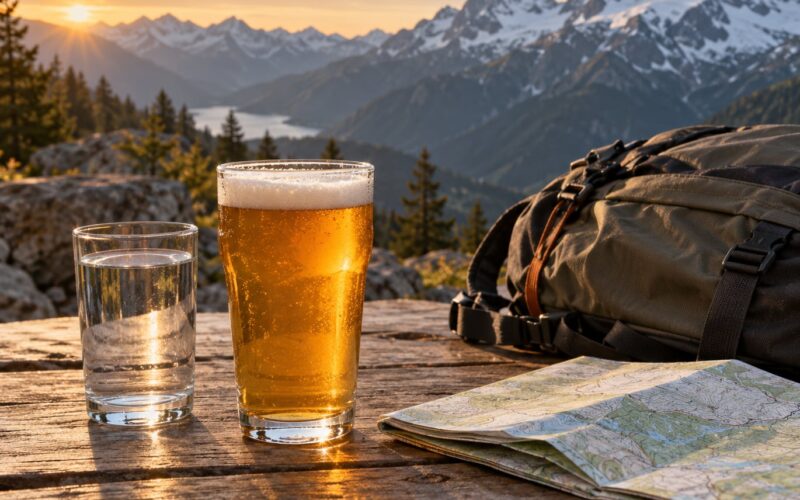
The most useful trick mentioned on festival forums is keeping a small amount of water in your tasting glass between pours. It dilutes the residue, resets your palate between beers, and slows you down without you having to stop walking.
Some festivals hand out a palate cleanser, which is a neutral, non-alcoholic option designed for exactly this. Water works. Refill at the water stations rather than buying a beverage you do not need.
There is also a widely repeated pace guideline of about one drink per hour and a half to two hours, so a full day of samples plus food plus water keeps you functional. Treat that as a general guideline rather than a rule, because pour sizes, alcohol content and your own tolerance all vary, and individual events publish their own guidance.
Spitting and dumping are normal
If a beer is not for you, you are allowed to stop drinking it. Dump buckets and spill buckets sit at the ends of booths for this reason, and using one is the normal move, not a rude one. The one bit of nuance that comes up from brewers themselves: do not dump a beer directly in front of the brewer or their table. Take it a few steps away, or to the bucket at the booth edge, and say thank you on your way out.
Spitting into the bucket is the same idea. Nobody cares, and the alternative, forcing down a beer you dislike, is how people end up feeling sick by hour five.
Ask for a lighter pour
You are allowed to say, “Could you pour me a taste rather than a full sample?” Nobody will be offended. This is the single easiest way to widen what you can safely try across a long afternoon.
How Do You Behave Around Vendors, Breweries, and Other Guests?
Good behavior around other people is mostly about being predictable: keep moving, keep your glass close, take your turn in line, and give people room. The table below lays out the hard rules.
| Do | Why it matters | Don’t |
|---|---|---|
| Keep your glass above waist height and slightly away from you | Crowds move unpredictably and spilled beer lands on strangers | Carry a full glass at your side through a packed aisle |
| Wait your turn and keep the booth doorway clear | Lines are how the festival keeps pours affordable | Shove in, hold up a glass to grab a pour, or split a line |
| Say thank you and take a second to look at the beer | The person pouring is often the brewer or their staff | Swipe the glass away without looking at it |
| Ask one or two real questions about the beer | Brewers genuinely enjoy talking about their beer | Turn every pour into a five-minute debate |
| Move to the dump bucket before leaving the booth area | Spilled beer on the floor makes someone slip | Dump a full glass at the brewer’s feet |
| Keep your drink in sight at all times | It is your drink and your responsibility | Set it down on a table, or hand it to a stranger |
| Use water stations and food vendors as often as you need | Hydration is what keeps the day enjoyable | Push through to the end on samples alone |
| Share a table when someone is looking for a seat | Seating is the scarcest resource at most festivals | Spread bags and coats over an entire table |
| Take photos of your own group’s beer | It is a shared memory, not a scoreboard | Photograph strangers or film brewery reps without asking |
| Agree on a meeting point and a leave time with your group | Crowds are hard to navigate and phones run out of battery | Wander off alone in a hall with no signal |
Talk to the brewery reps, briefly
People ask whether they are supposed to talk to the reps. They are, and it is usually the best part of the day. A simple “what makes this one different from your flagship?” gets you a real answer in a sentence or two.
Keep it short, take turns with anyone else in the line, and let people get back to their phones or their friends. Brewery reps at a festival are working, not hosting a party.
Look after your people, not just yourself
Stay with the group you arrived with, especially in a crowded hall where cell service is unreliable. Check in at set intervals, and agree on one obvious meeting point in case you get separated.
Keep your drink with you at all times, including in a bathroom line and in a crowded queue. If you lose sight of a drink, do not finish it. That rule is written into most festival policies and it is not optional.
Attitude toward the crowd and the venue
Leave a little space around other people in dense areas, and skip the shoulder-to-shoulder crush at a popular booth unless you actually want to be there. Respect staff instructions about re-entry, bags, and exiting, because they are usually enforcing venue policy that you agreed to when you bought the ticket.
Festivals also vary a lot in type. An Oktoberfest-style festival with shared long tables, litre-sized pours and steins is a different social contract from a token-based craft festival with tasting glasses and brewery booths, which is different again from a taproom takeover where you order at a bar and sit down. Check which kind you are walking into so you can calibrate.
What Should You Do If You Miss the Festival Etiquette?
If you spill a sample, forget how the glass works, or feel like you have had too much, the recovery is simple and nobody is keeping score. Here is what to do in each case.
You spilled a beer on someone. Say sorry once, briefly, and ask if it is okay. Then help clean it if there is a napkin or a staff member nearby. It happens dozens of times a day at any festival. Offer to buy them a fresh sample if their glass is empty, but do not insist if they wave it off.
You are not sure how the glass and tokens work. Ask the first person you see. Volunteers, staff and brewery reps answer this question dozens of times an hour and they are never annoyed. The usual routine: get your glass, hand over a token or scan your wristband, get your pour, and when you are done with a sample either finish it or use the dump bucket at the booth.
You feel overwhelmed or you have had too much. Stop sampling. Find a water station, sit down somewhere quieter, drink water, and eat something. Tell the person you came with. The festival will still be there, and the best decision you can make in that moment is to stop adding samples.
You need help getting home. Text the group chat, call your ride, or ask a staff member where the rideshare pickup point is. Staff at large festivals deal with this constantly. Asking is always a better option than trying to navigate a crowd on foot while impaired.
You are with someone who does not drink, or you are driving. Plan the day around them. Designate a sober driver in advance so nobody has to make that call in the middle of the afternoon. Most festivals also sell non-alcoholic drinks, and many offer designated-driver ticketing or a small rebate when you show your DD stub at the gate. If that is you, you are still a full participant: you can taste, spit, take photos and talk to reps.
And if you simply do not like beer, tell people when you pour it. “Not a beer person, but I want to try it” gets a better response than a silent polite grimace followed by a trip to the dump bucket.
Frequently Asked Questions
How many beers should I drink at a beer festival?
Aim for 12 to 18 two-ounce samples across a full day, which works out to two or three twelve-ounce beers in total. Most festivals hand you a small tasting glass rather than full servings, so the number of samples matters more than the number of booths. Drink water between pours, eat a real meal, and stop when samples stop being interesting. Trying every beer on the floor is not a goal, and nobody is tracking your count.
Can I bring my own glass or drinkware to a beer festival?
Usually not. Most festivals issue their own reusable tasting glass so samples are consistent and so glassware does not end up broken in a crowd, and many have a no-outside-glass policy for safety reasons. Some events let you bring a non-glass vessel, and a few Oktoberfest-style festivals allow personal steins, but the event page always wins. If the rules are unclear, bring nothing and pick up a glass at the entrance.
Is it acceptable to spit out a beer sample at a festival?
Yes, and it is expected. Dump buckets and spill buckets exist at the ends of booths specifically so nobody has to finish a beer they dislike. The one bit of etiquette that comes up from brewers: do not spit or dump right in front of the brewery table. Step to the bucket at the edge of the booth, and move on. Forcing down a bad sample is worse for you and for the people around you.
How should I get home safely after drinking at a beer festival?
Decide before you go. Designate a sober driver, book a rideshare for a set time and pickup point, or plan for public transit that runs late. Tell someone outside your group where you are and when you should be home. If you start to feel unsteady, stop sampling, drink water and ask a staff member for help finding your ride. Large festivals are used to helping people leave safely, and asking is always fine.
Do I need to talk to brewery representatives at a beer festival?
No, nobody will chase you down if you keep quiet. But a short conversation is usually the most rewarding part of the day, and reps expect it. Ask what makes the beer different from their flagship, or whether the hops are local. Keep it to a minute or two, take turns with anyone else waiting, and let people get on with their day. You need no beer knowledge to ask a good question.
What should I do if I do not like a beer sample?
Do not force it. That is the fastest way to feel unwell three hours later, and nobody is grading you. Say a quick thank you, move a couple of steps away from the booth, and use the dump bucket. Then keep tasting, because the style you dislike today might be the one you search for later. If beer is not your thing at all, tasting and spitting is a completely normal way to spend an afternoon, and you still get the food and the atmosphere.
Start with the unglamorous part: read the event rules, sort out how you are getting home, and eat a real meal before you go. Then drink water between samples, keep your glass close, and give yourself permission to dump the beers you do not enjoy. That is most of beer festival etiquette for first timers, and the rest is just being decent about the line you are standing in.