If you have ever wondered how to cleanse your palate between beers without wrecking your session, the routine is short. Rinse your mouth with water or sparkling water, eat a small piece of something plain and unsalted such as a cracker or a rice cake, then wait 30 to 60 seconds before the next beer. That is the whole thing, and it takes about a minute. It works because the last beer’s hops, malt and carbonation keep coating your tongue, and the next sample inherits whatever is still there.
I learned this the slow way, three sips into a flight where every beer tasted like the first one. Once I started rinsing and waiting, I could pick out grapefruit in one sample and roast in the next. If you have ever wondered why a taproom sampler blurs together, this is usually why.
Table of Contents
- What You Need
- Step-by-Step: How to Cleanse Your Palate Between Beers
- 1. Choose a Neutral, Low-Fat Cleanser
- 2. Rinse Away Residual Flavors
- 3. Reset Your Tongue With Texture
- 4. Pause Before Tasting the Next Beer
- Common Mistakes
- Frequently Asked Questions
- What is the best palate cleanser between beers?
- Is sparkling water a palate cleanser?
- How much should I eat between beer samples?
- Should I use salted or unsalted snacks when tasting beer?
- How do I get rid of the beer taste in my mouth after a hoppy beer?
What You Need
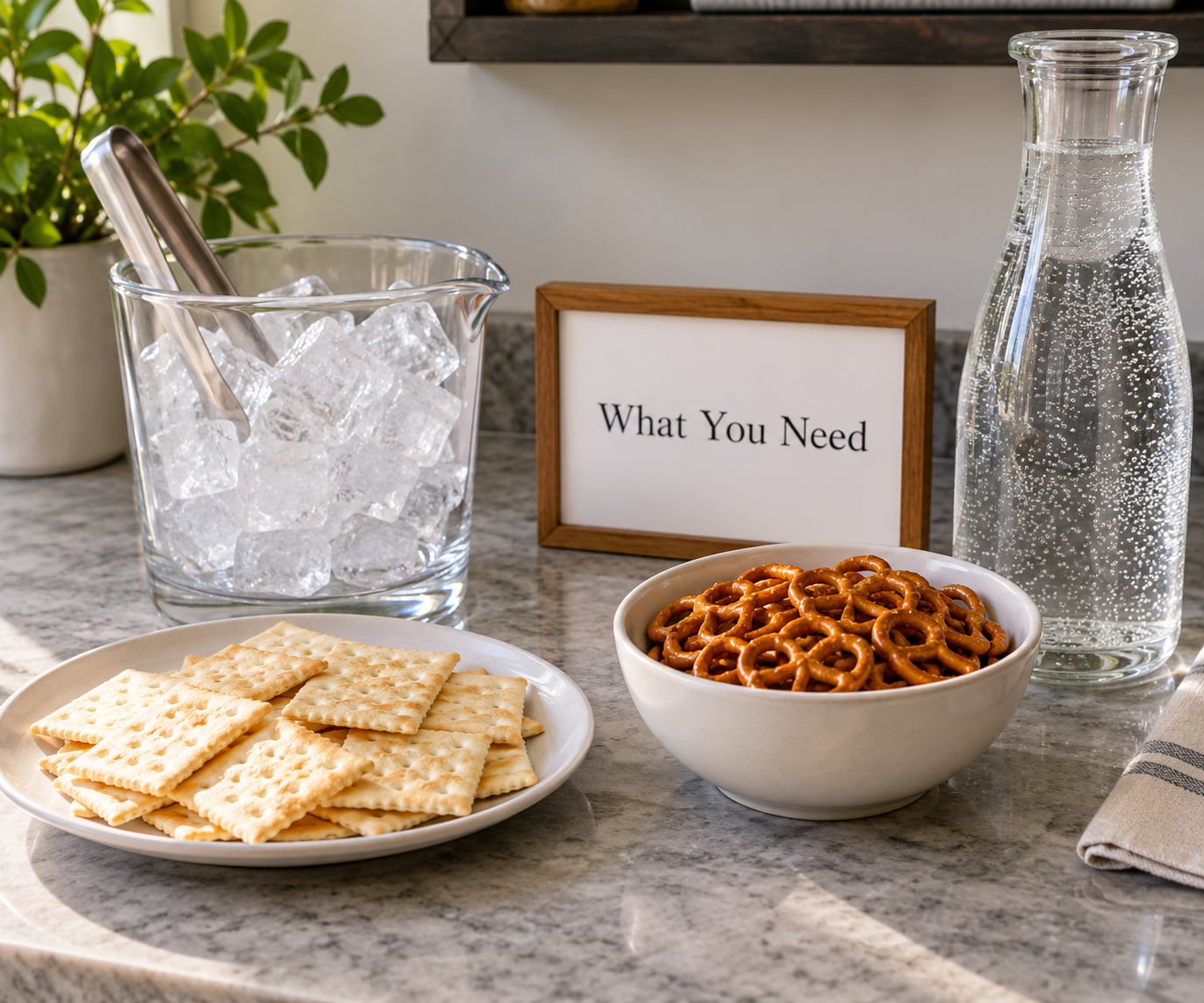
None of this is required, and none of it is fancy. You are assembling a reset kit, and the cheapest version of it costs almost nothing.
- Liquid: still tap water or bottled water, and sparkling water or plain seltzer if you prefer it.
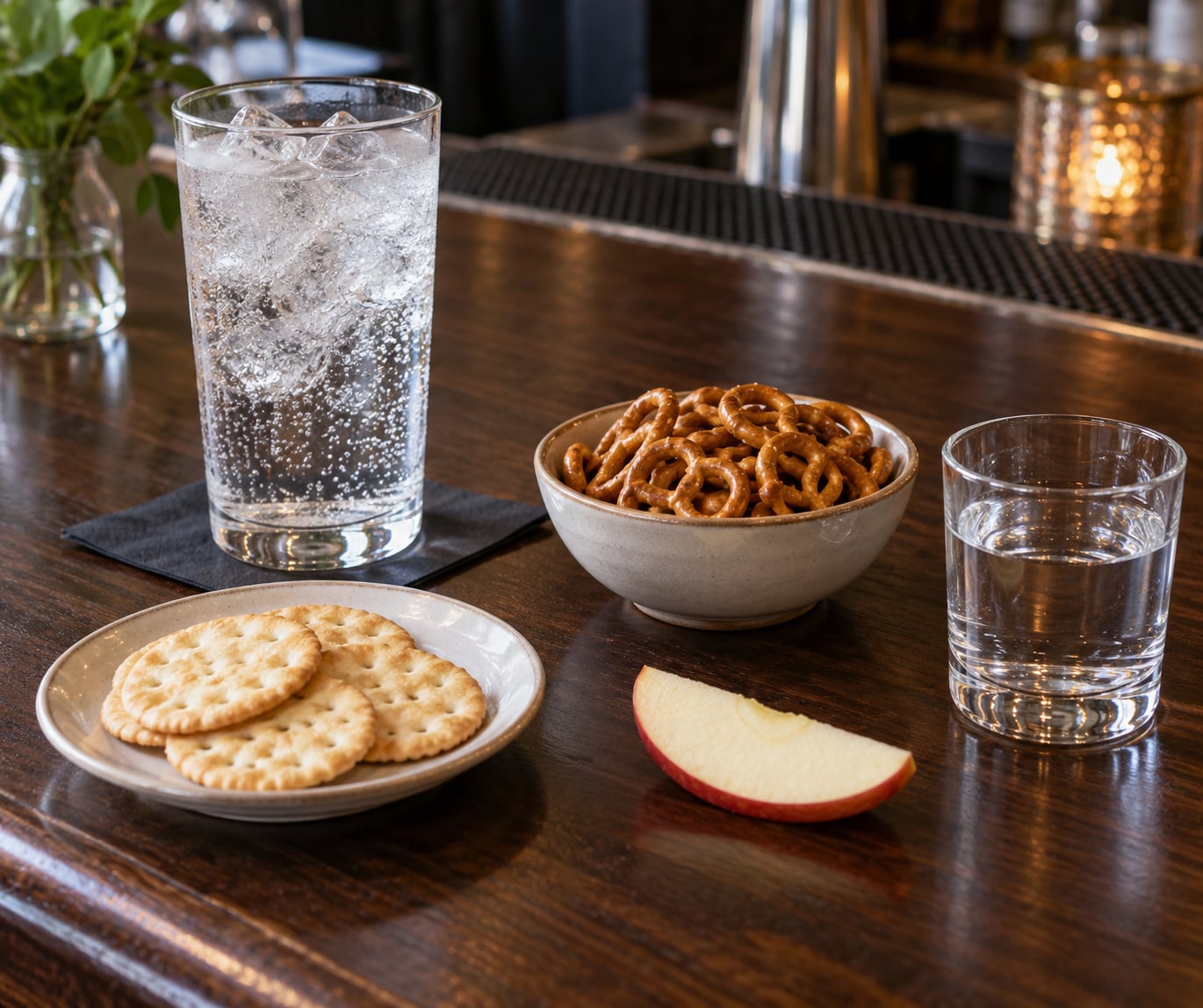
- Something dry and plain: unsalted crackers, unsalted pretzels, plain rice crackers, or a piece of white bread with nothing on it.
- Something crisp: a thin apple slice or a few drops of lemon sorbet if solids are not your thing.
- Optional: ice, a small glass for rinsing, and a low-alcohol beer to use as the cleanser itself.
Skip anything with herbs, cheese, chili, vinegar or smoke in it. Those flavors are loud enough to become the new aftertaste, which defeats the whole exercise.
Step-by-Step: How to Cleanse Your Palate Between Beers
1. Choose a Neutral, Low-Fat Cleanser
Plain crackers, unsalted pretzels, rice cakes and untoasted white bread are the reliable choices because they carry almost no flavor of their own and very little fat. Astringent or dry foods work best, since they physically wipe the tongue rather than dissolving into it. If you are working out how to cleanse your palate between beers on a budget, this is where you will spend the least and lose the least.
Portion size matters more than people expect. Two or three crackers is plenty. A handful of pretzels works, but half a sleeve of them is now a snack, and you have added a fistful of salt to your session before the next pour.
Fat is the thing to avoid. Greasy food coats the tongue and lingers longer than liquid does. That is why a cheese board sitting in the middle of a tasting tends to make everything afterward taste vaguely of cheddar, no matter how much water you drink.
2. Rinse Away Residual Flavors
Take two or three mouthfuls of water and move it around your mouth before swallowing, then rinse and spit if you are spitting. The point is to physically move the film of hop oil and malt sugar off your tongue, not to hydrate.
Sparkling water does this better than still water in most people’s experience. Seltzer drinkers prefer it for a simple reason: the bubbles scrub the palate clean on top of the dissolving.
Here is the rule most consumer guides skip: rinse your mouth with water after eating any solid cleanser. Crackers and bread leave their own starchy and yeasty residue, and that residue becomes the aftertaste of the next beer. Eat, then rinse, in that order.
3. Reset Your Tongue With Texture
Crispness and a little acidity do more for your next sample than plain water alone. A thin slice of apple, a few drops of lemon sorbet, or a dry rice cracker leaves your tongue feeling awake rather than washed.
Salt is the practical middle ground, and it works well. A couple of lightly salted pretzels will pull bitterness down and sharpen everything that follows. The problem is only overdoing it — a heavy dose of salt makes the next beer taste flat and dull instead of clean.
4. Pause Before Tasting the Next Beer
Give it 30 to 60 seconds. Most people rush this step, and rushing is what makes a careful routine feel like it is not working. In that minute, your tongue settles, the residual flavor finishes, and your senses come back online.
Spit or swallow? During a formal tasting, spit. It keeps you sharp through six or eight samples and keeps the alcohol load down, which is the difference between tasting and drinking. During a bar crawl, swallowing is fine — nobody is grading you, and the water in the beer counts toward your hydration.
Watch for palate fatigue. By the fourth or fifth sample, subtle malt and hop notes often stop registering no matter what you do. If that happens, take a longer break, drink some water, and eat something with a bit of substance rather than another cracker.
Common Mistakes
Using anything flavored. Coffee beans, mint, chocolate and chili all leave something behind. Sniffing cracked coffee is a common palate-fatigue trick and it is harmless, because it clears through the nose. Eating it is a different story.
Going heavy on solids. Half a bag of pretzels before a pilsner will make that pilsner taste salty no matter what comes next. Small and neutral beats large and tasty.
Skipping the rinse. Water first, then solids, is the wrong order. Eat something plain, then rinse. If you do the reverse, you are washing flavor into the food and leaving starch on your tongue.
Assuming one routine fits every style. After a heavy imperial IPA, you need a strong reset — a rinse, a cracker, and a full minute. After a light pilsner, a sip of water is plenty. Hop-heavy beers leave more residue, so they deserve more work.
Expecting beer to cleanse the palate well. It can, sort of. A malty Munich Helles or something similar is the usual suggestion after a very hoppy pour, and a crisp session ale under 3% ABV works for the same reason. The malty, low-hop profile knocks back bitterness. But you are adding alcohol to the session, so it is a reset, not a neutral one.
A few tips worth keeping: temperature helps, since slightly chilled water cuts through residue better than room-temperature water. And if you want something more aggressive for a heavy beer, a spoonful of peanut butter is the old brewery answer, because fat and salt reset even after a lot of hops.
Frequently Asked Questions
What is the best palate cleanser between beers?
Water is the best palate cleanser, and sparkling water works slightly better because the carbonation scrubs mechanically as well as dissolving. Add something plain and unsalted, such as a couple of crackers or a slice of white bread, then rinse your mouth with water afterward so the solid leaves no residue. Avoid anything flavored, since coffee, mint and chocolate just replace one aftertaste with another.
Is sparkling water a palate cleanser?
Yes. Plain sparkling water or seltzer is an effective palate cleanser, and drinkers often prefer it over tap water for a simple reason: the bubbles scrub the palate clean on top of dissolving the flavors. Take two or three mouthfuls, swirl them around your mouth, then swallow or spit. Skip flavored sparkling water, since the fruit or citrus is another flavor layer.
How much should I eat between beer samples?
Two or three plain crackers, a few unsalted pretzels, or half a slice of white bread is the right amount. It is enough to wipe residual oils and hop residue off your tongue without becoming a second snack. Keep it dry and low-fat, since greasy foods coat the tongue and linger longer than liquid. If you take a larger break between samples, eat something more substantial instead.
Should I use salted or unsalted snacks when tasting beer?
Unsalted is safer, because salt amplifies bitterness and any extra salt in the next beer will read as unbalanced. Lightly salted pretzels are a reasonable compromise and a common choice at taprooms, where unsalted options are hard to find. Just keep the portion small and follow the solid with a water rinse. Cheese and other strongly flavored snacks are the ones to avoid entirely.
How do I get rid of the beer taste in my mouth after a hoppy beer?
Rinse with cold water or sparkling water, then wait 30 to 60 seconds before tasting anything else. For stubborn hop residue, add a dry cracker or a thin apple slice and rinse again. If you still taste it after a few minutes, your palate has simply adapted, and only time will clear it. Note that cleansing your mouth does nothing about alcohol on your breath.
Start with the free part of how to cleanse your palate between beers: keep a glass of water or sparkling water next to you and take two mouthfuls between samples. Everything else on the list is optional. Add a plain cracker, rinse again, and give yourself the full minute — that is the routine that makes the next pour taste like itself.