If you have ever squinted at a tap list trying to work out what kind of place you are sitting in, here is the short version. A microbrewery makes fewer than 15,000 US barrels of beer a year. A brewpub sells 25 percent or more of its beer on-site and runs a real food program. A regional brewery makes 15,000 barrels or more and ships its beer across several states. That is the microbrewery vs brewpub vs regional brewery question in a nutshell, and the three labels describe very different nights out.
Those thresholds come from the Brewers Association, which sorts breweries into tiers using two separate questions: how much beer do you make in a year, and how much of it gets poured where you are standing? That second question is the one drinkers usually care about, because it decides whether you get a full plate of food with your pint or a bag of pretzels.
I put this together after a bar crawl where the same group of four ordered at four breweries in one evening and could not agree on what any of them were called. Nobody was wrong. The labels overlap, and most breweries do not fit one tier cleanly.
Updated for October 2026.
Table of Contents
- Microbrewery vs Brewpub vs Regional Brewery at a Glance
- What Is a Microbrewery?
- What a microbrewery is actually optimizing for
- What Is a Brewpub?
- Why food changes the economics
- What Is a Regional Brewery?
- How Do Production Scale and Beer Variety Differ?
- Which One Has the Best Taproom Experience?
- How Do Distribution and Availability Differ?
- Microbrewery vs Brewpub vs Regional Brewery: Which Should You Choose?
- If you want to find something unusual
- If you are eating with a mixed group
- If you want beer you can count on anywhere
- If you want to stock a home fridge
- If you are planning a brewery trip
- Frequently Asked Questions
- Is a microbrewery always smaller than a regional brewery?
- Does a brewpub serve food made with its own beer?
- Are regional breweries less likely to have a taproom?
- Which brewery type is best for trying unusual craft beers?
- Can a brewery be both a brewpub and a regional brewery?
- How fresh is beer at a microbrewery compared with a regional brewery?
- Conclusion
Microbrewery vs Brewpub vs Regional Brewery at a Glance
| Criterion | Microbrewery | Brewpub | Regional Brewery |
|---|---|---|---|
| Definition | Produces fewer than 15,000 US barrels a year | Sells 25 percent or more of its beer on-site and operates significant food services | Produces 15,000 barrels or more, up to a 6 million barrel craft cap |
| Typical batch size | 3-30 BBL per batch | 10-15 hL brewhouse, usually 2-vessel | 30-600 BBL, often fully automated |
| Share sold on-site | Usually a minority, often under 25 percent | 25 percent or more by definition | Varies widely, taproom is often secondary |
| Food service | Snacks, maybe a food truck | Full kitchen, table service, real menu | Light food or none at the production site |
| Distribution reach | Local, sometimes one metro area | Mostly local, some cans and kegs | Multi-state, often national footprint |
| Packaging | Cans, kegs, occasional growlers | Kegs and cans for takeaway, plus growlers | High-speed canning and bottling lines |
| What you get | Small-batch variety, seasonal releases, house yeast | Freshest pour, full menu, long stay | Consistent flagship beer available everywhere |
| Best for | Hunting something unusual | Dinner with friends who are not all beer people | A dependable pour when you are far from home |
There is a fourth category hiding in plain sight. The Brewers Association counts a taproom brewery separately from a brewpub: it sells 25 percent or more of its beer on-site but does not operate significant food services. That is the most common craft format in the United States right now, and it is the one most people mistake for a brewpub. If there is no kitchen, it is a taproom brewery.
What Is a Microbrewery?
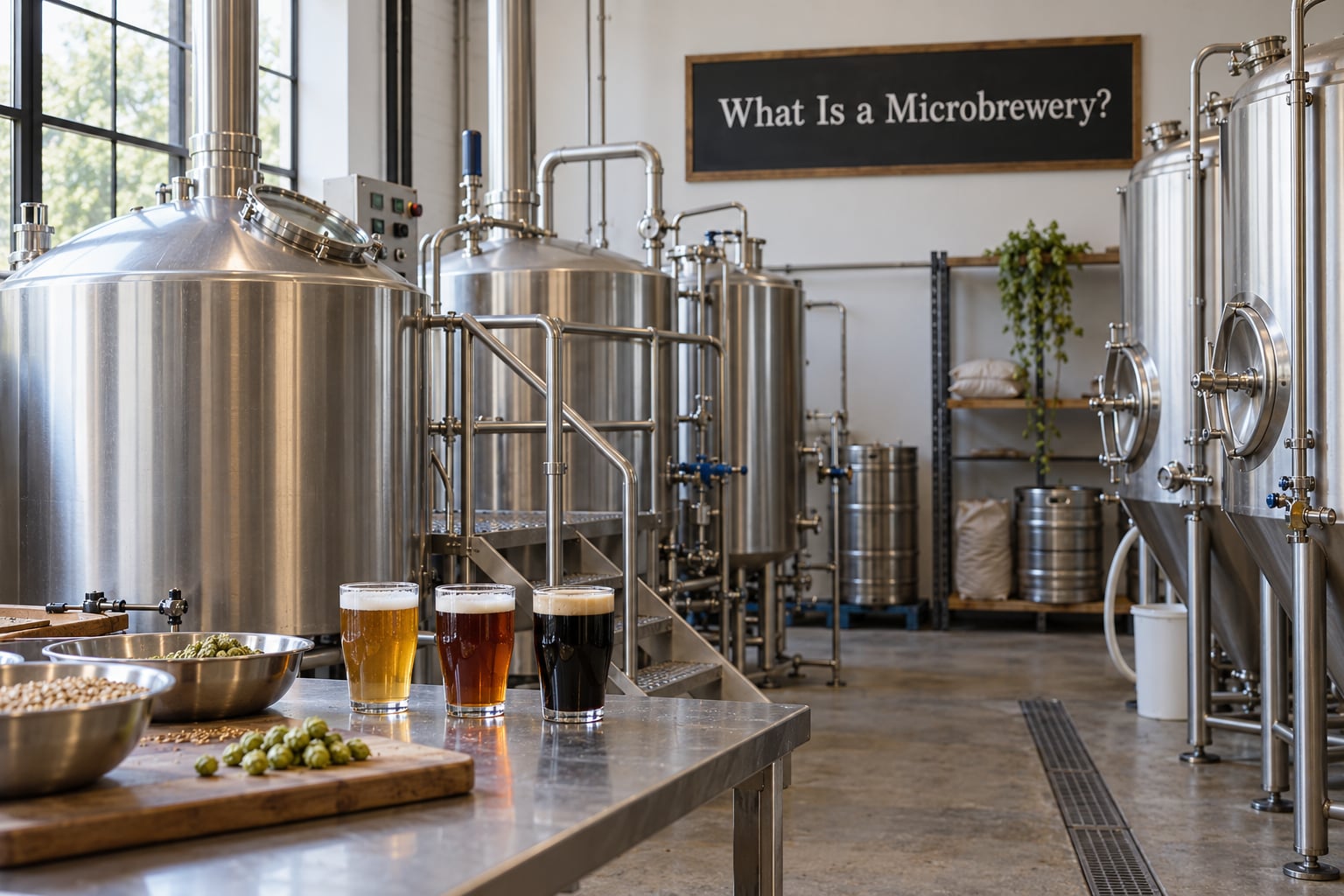
A microbrewery is a small production brewery, defined by output rather than by attitude. The Brewers Association puts the line at fewer than 15,000 US beer barrels a year, which works out to roughly 1.2 million gallons. That is a meaningful amount of beer, but it is a rounding error next to a regional producer.
At the equipment level, microbreweries usually run brewhouses in the 3 to 30 barrel range per batch, with brewhouse footprints around 20 to 30 hectoliters. That is small enough to change recipes between batches. A brewery that size can brew a hundred barrels of one thing this month and something completely different next month without tanking its output.
What a microbrewery is actually optimizing for
Small batches mean experimentation is cheap. If a batch of 10 barrels turns out wrong, the loss is manageable. The same mistake at 60,000 barrels is a write-off and a meeting with the sales team.
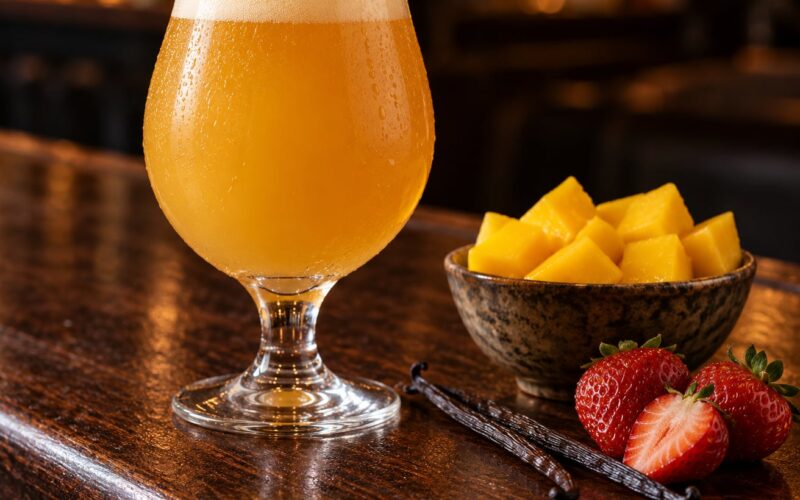
So a microbrewery’s beer list tends to be wider than its actual production volume suggests. You will often find a core of two or three beers that are brewed year-round, with the rest of the tap list rotating through IPAs, sours, barrel-aged releases, and whatever the head brewer got excited about last week. Regulars learn the rhythm and start timing their visits to releases.
Distribution is where microbreweries split. Many sell most of their beer through local taps, beer bars and bottle shops, sometimes across a single metro area. Others lean on direct-to-consumer can runs and a small wholesale relationship. Neither is wrong, but it explains why you might find a brewery with a modest reputation that keeps winning shelves in one neighborhood and nowhere else.
A microbrewery suits you if you enjoy asking what is on today rather than asking for your usual. Bring patience, because the beer is not always predictable, and bring friends who will share a four-pack of something strange.
What Is a Brewpub?
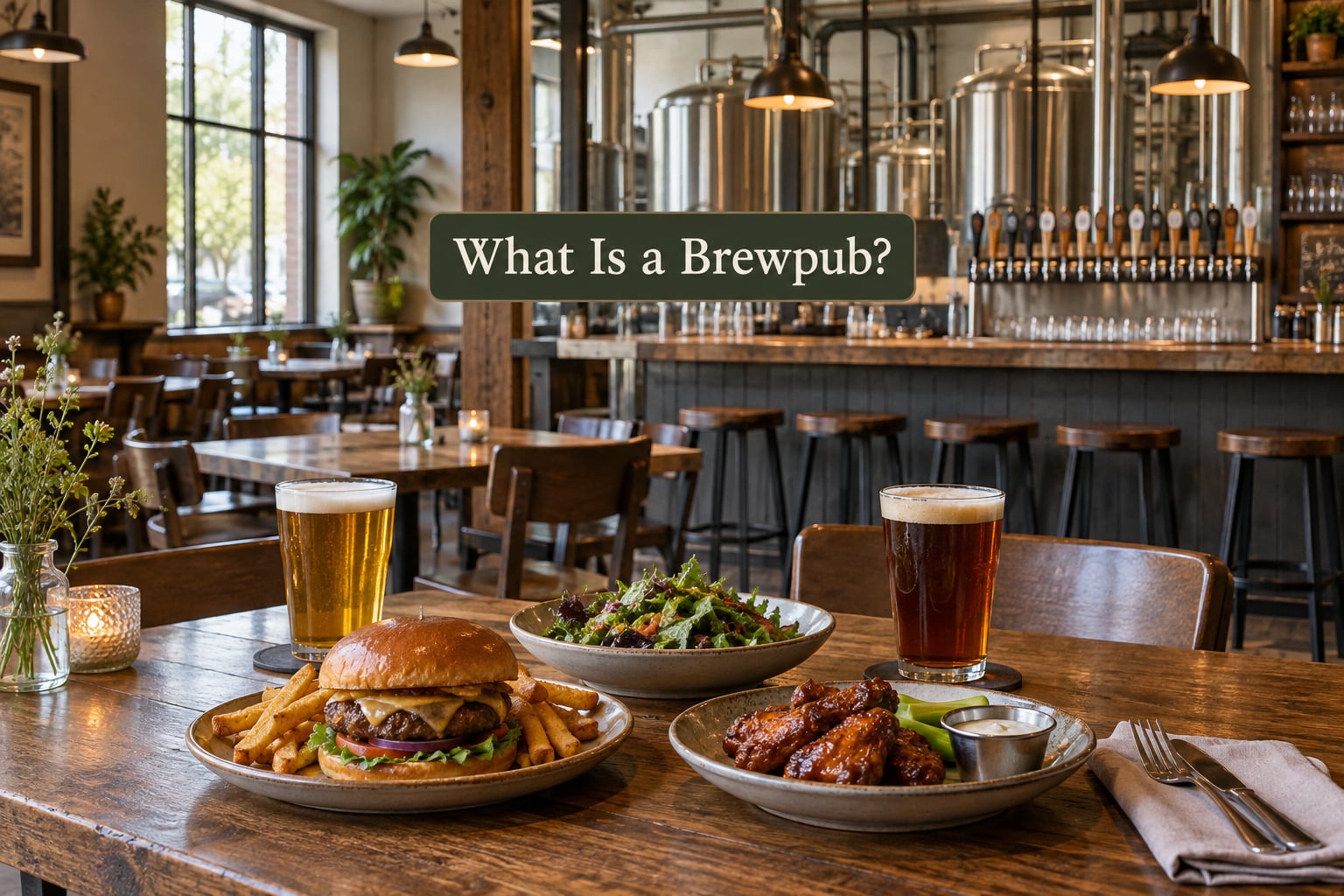
A brewpub is a pub or restaurant that brews beer on premises and serves it where it makes it. The Brewers Association definition is specific: a brewpub sells 25 percent or more of its beer on-site and operates significant food services. Both halves matter. Drop the kitchen and the Brewers Association files you under taproom brewery instead.
Brewpubs tend to run compact brewhouses, around 10 to 15 hectoliters, often a two-vessel system. The beer goes out in kegs to the bar, sometimes canned for takeaway. The brewery is deliberately undersized relative to the restaurant, because the point is not to make beer for the region. The point is to have beer here that nobody else has.
Why food changes the economics
Once a kitchen is involved, the brewery is running two businesses. One brewpub owner described a sales split of roughly 60 percent food to 40 percent beer, with ordering handled through the bar. That ratio surprises people who assume the beer is the product.
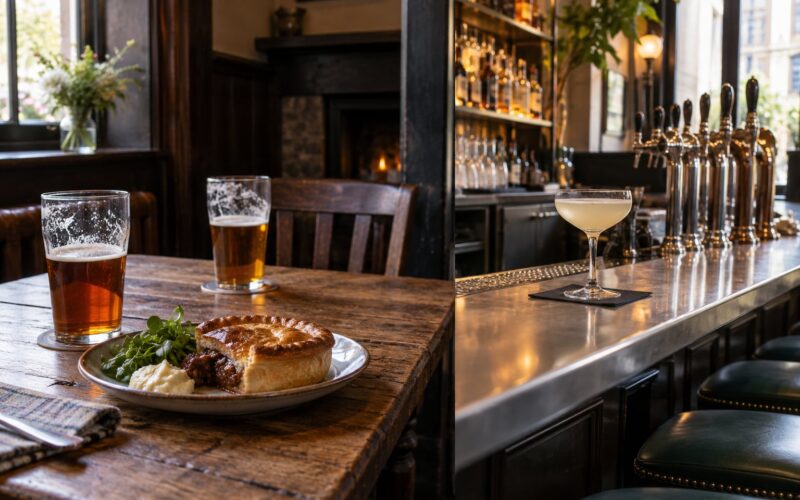
Food changes the pace of the room as well. A taproom brewery runs on quick visits and turnover. A brewpub can hold a table for two hours through dinner service, which means it competes with restaurants rather than with other breweries. That is a different business with a different skill set, mostly in the kitchen.
It also creates the most common complaint. One drinker described a brewpub menu as far too involved for snacks to go with beer, and it undercut the whole visit. Fair enough. The upside is that a brewpub with a genuinely good kitchen is the easiest place to bring a group where two people are not craft beer people at all.
Pick a brewpub when dinner is part of the plan, when you want the freshest possible pour, or when you would rather order a flight and sit than trade up and down a bar.
What Is a Regional Brewery?
A regional brewery is the largest of the three, defined by scale. The Brewers Association puts regional craft breweries between 15,000 and 6 million barrels a year, with 6 million as the ceiling that still qualifies as craft. The category covers an enormous range, from a brewery with 30 people and 100,000 barrels to a multi-plant operation shipping into half the country.
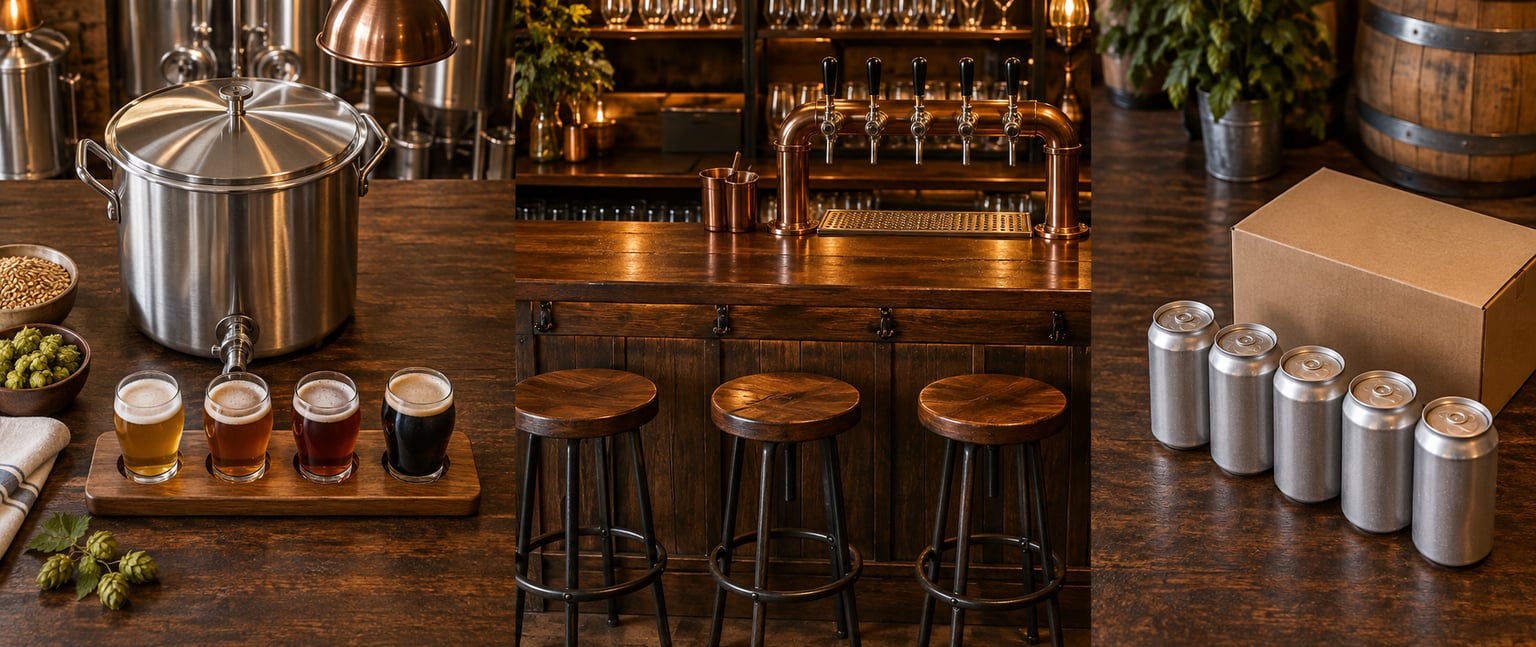
Batch sizes run from about 30 barrels to several hundred, on brewhouses of 40 hectoliters up past 100, often with automated controls and dedicated packaging lines. Everything about the operation is built for repeatability. A flagship pale ale needs to taste like itself in February and in August, in a taproom and in a grocery store three states away.
That consistency is the trade. You are less likely to find something surprising, and much more likely to find the beer you had in mind. A regional brewery can also afford equipment that a microbrewery cannot: a canning line, a keg washer, quality control labs, a second brewhouse to free up the first one for cleaning.
Regional breweries still produce genuinely good beer, and many were founded as microbreweries and grew into the category. Bell’s Oberon and Anchor Liberty Ale are the kind of regional anchors drinkers reach for without thinking about the label.
Ask for a regional brewery when you want a specific style done consistently, when you are traveling and want to find something familiar, or when you want to bring a case home.
How Do Production Scale and Beer Variety Differ?
Scale is the honest answer to why beer tastes different across brewery types, though it is not the only factor. A 10-barrel batch and a 300-barrel batch of the same recipe should taste nearly identical on a blind test. What changes is what the brewery chooses to make, and how much of each thing.
Batch size sets the experimentation budget. Microbreweries at 3 to 30 barrels can afford to fail cheaply, so their lists carry more styles and more novelty. Regional breweries at 30 to 600 barrels need each recipe to earn its place across thousands of kegs, so lists get narrower and deeper on the beers that already work.
Consistency and novelty pull in opposite directions at every scale. The regional brewery protects its flagship beer with process controls, lab checks and a house yeast strain managed over years. The microbrewery buys hops by the pound, changes the yeast when a batch is interesting, and puts a different beer on tap next week.
Seasonal releases follow the same split. Regional breweries can plan a spring release months ahead and produce enough of it to hit every state. Microbreweries decide a barrel-aged sour is ready when the barrel says so, which is why their tap lists change without warning.
Two more things travel with scale. Water profiles tend to be more tightly managed as breweries grow, since consistency across a multi-state footprint depends on it. And yeast handling gets more formal, because a contaminated batch at volume costs far more than the same mistake in a small brewhouse.
Which One Has the Best Taproom Experience?
There is no single winner, because taprooms are not one experience. They split by what you want the evening to be: linger over food, drink something you have never had, or settle into a familiar pint.
Atmosphere and length of stay. Brewpubs win on length. They have tables, servers and a kitchen, so a two-hour visit is normal. Microbreweries and taproom breweries are built for a faster rhythm, with more standing at the bar and more turnover, which suits groups that move every forty-five minutes.
Tap lineup. Regional taprooms often run eight to sixteen taps with a core that barely changes. Microbrewery taprooms often run more taps, but the list rotates, which means a beer you wanted may be gone by your next visit. Ask when the tap list was last updated, since that single question tells you more than anything else on the menu. Drinkers rank a current tap list as the first thing they look for on a brewery site, well ahead of beer-to-go options.
Freshness. Freshtration straight from the tank is the most-cited quality signal among drinkers, and it favors whichever brewery pours its own beer with the shortest route from brite tank to glass. That is usually the taproom brewery or the brewpub you are standing in, and it is the strongest argument for visiting at all.
Food. The brewpub wins and it is not close. If you are eating a real meal, that is the format built for it.
Groups. Mixed groups do best at a brewpub because non-beer drinkers have somewhere to be. Dedicated beer groups do better at a taproom brewery with a wide, rotating list.
One caution for any of them: an over-tapped room with expensive flights will wear you out fast. A twenty-tap list does not mean you need to work through it.
How Do Distribution and Availability Differ?
Distribution is the biggest practical difference between the three types, and it comes down to how the beer reaches you.
Regional breweries work through the three-tier system: they sell to wholesalers, who sell to retailers who sell to you. That structure is why you can buy the same flagship in three states, and why it arrives consistently. The same route explains a regional beer that turns up warm or over-shipped compared with a fresh local pour. Longer supply chains lose freshness even when the beer is perfectly made.
Microbreweries often stay inside direct-to-consumer sales, packaging cans and kegs themselves and placing them at local accounts. Some use a wholesaler, some do not. The result is wide local coverage and almost no reach beyond it.
Brewpubs split their output between the bar and takeaway formats, with growlers, crowlers and cans for off-site drinking. The beer that goes into a crowler and the beer on tap are the same beer, which makes it one of the more reliable ways to get brewpub beer at home.
Availability shapes the experience more than taste does. If you want to try a specific beer, a regional brewery is your reliable bet. If you want to find what is on tap at three places in one night, you need breweries close enough to walk between.
One piece of context for 2026: the craft industry has been contracting. The Brewers Association recorded roughly 23.1 million barrels of craft production in 2024, down about 4 percent, with 501 brewery closures against 434 openings. Some of that is normal attrition and some is real. A brewery that only had one revenue stream had a thin year, which is one reason taproom and brewpub models keep showing up in planning conversations.
Microbrewery vs Brewpub vs Regional Brewery: Which Should You Choose?
Match the format to the plan rather than to the label.
If you want to find something unusual
Go to a microbrewery or a taproom brewery. Small batches and rotating seasonal releases are where the surprises live. Ask what came off the fermenter most recently rather than what the flagship is.
If you are eating with a mixed group
Choose a brewpub. A real kitchen, table service and a beer list nobody will feel excluded by make it the least awkward night out of the three. Check whether the menu is actually good before you commit, since that is the make-or-break detail.
If you want beer you can count on anywhere
Pick a regional brewery. Their flagships are consistent batch after batch, and the beer is usually available well beyond the taproom. This is also the pick when you are in a city that has one brewery instead of thirty.
If you want to stock a home fridge
A regional brewery wins on volume and price per can. A microbrewery wins on how excited you will be to open the fridge. If you already know a regional flagship, buy the case.
If you are planning a brewery trip
Build the day around geography. Two taproom breweries within walking distance beats one destination brewery plus a drive. Finish with whatever regional brewery is closest to your route for a case to take home.
Frequently Asked Questions
Is a microbrewery always smaller than a regional brewery?
By the Brewers Association definition, yes. A microbrewery produces fewer than 15,000 US beer barrels a year, and a regional craft brewery starts at 15,000 barrels and runs up to a 6 million barrel craft cap. A brewery can grow out of the microbrewery tier and become regional, which is exactly how most regional breweries started. Some craft breweries also use the word loosely in their marketing.
Does a brewpub serve food made with its own beer?
Sometimes, and it varies widely. Some brewpubs cook with spent grain from the mash, brew spent hops into fried food, or pour beer-infused sauces and desserts. Others run a conventional kitchen that happens to sit next to a brewhouse. If the beer is a feature of the menu, that tells you the kitchen and the brewery are integrated. If the menu reads like a standard bar, they may not be.
Are regional breweries less likely to have a taproom?
No, though the taproom is usually not the main business. Large regional breweries often have a visitor center or a taproom on site, sometimes with a food hall. But their focus is distribution, so the taproom is a sampling room for the beers that ship everywhere, not a rotating list of one-off releases.
Which brewery type is best for trying unusual craft beers?
A microbrewery, or a taproom brewery if you like novelty with a shorter menu. Small batch sizes make experimentation affordable, so the tap list carries more styles and changes often. Regional breweries are the opposite case: they optimize for consistency, so you get a polished flagship rather than a surprise. Check when the tap list was last updated so you are not planning a trip around a beer that is gone.
Can a brewery be both a brewpub and a regional brewery?
In practice, yes, and the labels overlap heavily. A large brewery with a restaurant, a full kitchen and more than 25 percent of beer sold on-site would meet the brewpub definition while also clearing the regional volume threshold. Industry forums argue about these edge cases constantly, which is why the labels are useful shorthand rather than hard categories.
How fresh is beer at a microbrewery compared with a regional brewery?
On tap at a microbrewery, the beer often travels the shortest route from brite tank to glass, and it is unfiltered in many cases. A regional beer at a local tap has traveled through a wholesaler and a distributor, so it is somewhat older. Shelf life still holds either way, and packaging protects the beer, but freshtration from the tank is the flavor difference drinkers notice first.
Conclusion
Start with the experience you want, then pick the format that delivers it. Rare and experimental beer points to a microbrewery or taproom brewery. Food with beer points to a brewpub. Reliable beer you can find anywhere points to a regional brewery.
The labels are worth knowing because they tell you what to expect before you walk in. Check for a kitchen, count the taps, ask when the tap list was last updated, and see whether growlers and cans are for sale. Those four checks tell you more than the name on the sign.