You can have a genuinely good night out as the designated driver. The trick is that you stop treating the role as a punishment and start treating it as a night you get to plan: you pick the venue, you order something that looks like a real drink, you give yourself a job in the group, and you decide when everybody goes home.
A designated driver is someone who agrees to drink no alcohol for an entire night out so they can drive everyone else home safely. Sober means zero, not a couple of fewer than your friends. That definition matters more than people think, because most bad designated driver nights start with a well-meaning “one beer at the start” compromise.
Plenty of people dislike the role at first. You spend three hours holding a sparkling water while your friends get progressively louder, and by the last forty-five minutes you are basically a janitor with car keys. The aim of this guide is to fix that. Learning how to be the designated driver and still have fun takes about ten minutes of planning and costs you nothing extra.
We will walk through what to sort out beforehand, six steps for the night itself, and the mistakes that turn a good night sour. If you have never been the sober one at a taproom or a bar crawl, this should change how the next one feels.
Table of Contents
- What You Need
- A ride you have already confirmed, both ways
- A backup ride that does not depend on peak pricing
- Food and water, and a plan for both
- One other sober person, if you can
- A communication method for the group
- A small gear kit
- A decided leave time
- Step-by-Step
- Step 1: Plan the Ride Before Anyone Drinks
- Step 2: Build a Role That Still Includes You
- Step 3: Choose Alcohol-Free Activities
- Step 4: Eat, Hydrate, and Pace Yourself
- Step 5: Handle Pressure Without Turning It Into a Conflict
- Step 6: Finish the Night with a Safe Exit
- Common Mistakes
- Accepting a drink to avoid an argument
- Counting on coffee, food, or a cold shower
- Relying on tolerance or on how short the night is
- Leaving the ride plan until closing time
- Staying sober for the whole night out of duty
- Driving home tired after everyone else has been drinking
- Frequently Asked Questions
- What can a designated driver drink if they do not want alcohol?
- How can a designated driver have fun without drinking?
- What should I do if friends pressure me to drink?
- Can a designated driver drive if they only had one drink?
- How should a group get home safely after a bar crawl?
- How long should a designated driver stay sober before driving?
- Conclusion
What You Need
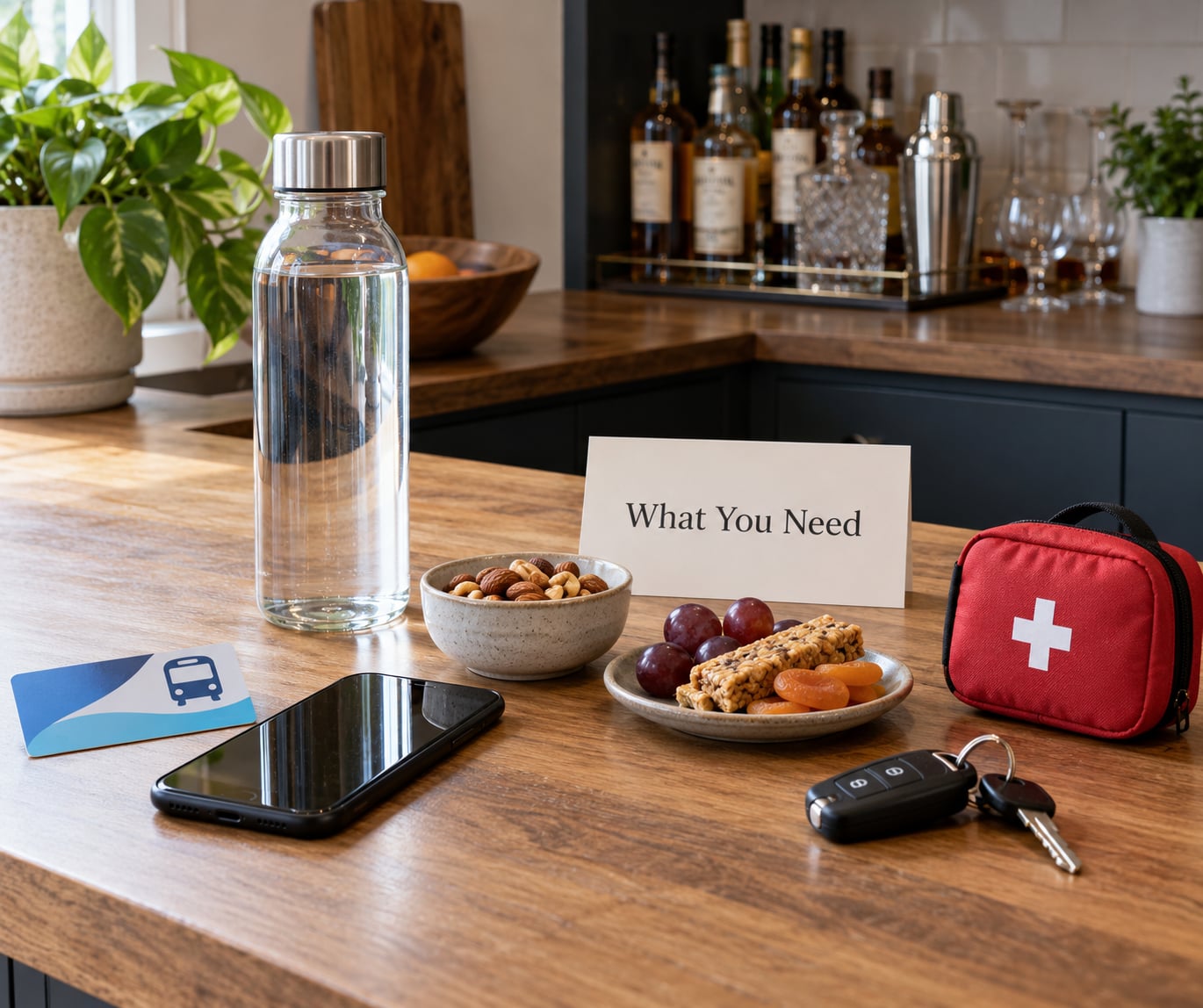
Everything here takes about ten minutes. Do it before the group chat starts arguing about where to go, not after.
A ride you have already confirmed, both ways
Know exactly how you are getting there and exactly how everybody is getting home. A number saved in your phone beats a vague “someone will call you.” If you are driving your own car, park it somewhere you will not have to move it again until closing time.
A backup ride that does not depend on peak pricing
Ride-share surge pricing is the single most common reason people say yes to being the designated driver and then resent it. Decide your fallback before the night, not at midnight when a surge is running. A taxi number, a sober driver service, or a friend who owes you a ride all work. Keep it in the same thread as the group chat.
Food and water, and a plan for both
Put a meal in before you go, and keep something in your bag for later. Alcohol hits harder on an empty stomach, and staying alert for three hours is much easier when you are not running on nothing.
One other sober person, if you can
This is the most repeated piece of advice in the forums we looked at. Pairing up with another friend who is not drinking keeps you from feeling like the odd one out, and it gives them someone sane to talk to too. If the group is naturally one or two people lighter, you will not feel like a chaperone.
A communication method for the group
One group chat is enough. It handles the ride plan, the exit time, the address, and the “where did everyone go” moment that happens at every bar crawl. Pin the exit time in the chat so nobody has to be the one to say it out loud.
A small gear kit
Tissues, a bottle of water, a portable charger, a spare phone cable, a spare hair tie or cap, a few snack bars, and a bag or two in case someone needs it. Nothing exotic. It also quietly makes you the most useful person in the room, which is half the fun.
A decided leave time
Pick it before the night and say it once, early, while everyone is still sober enough to hear it. “Leaving at midnight” works far better than “we should probably head out soon.”
Step-by-Step
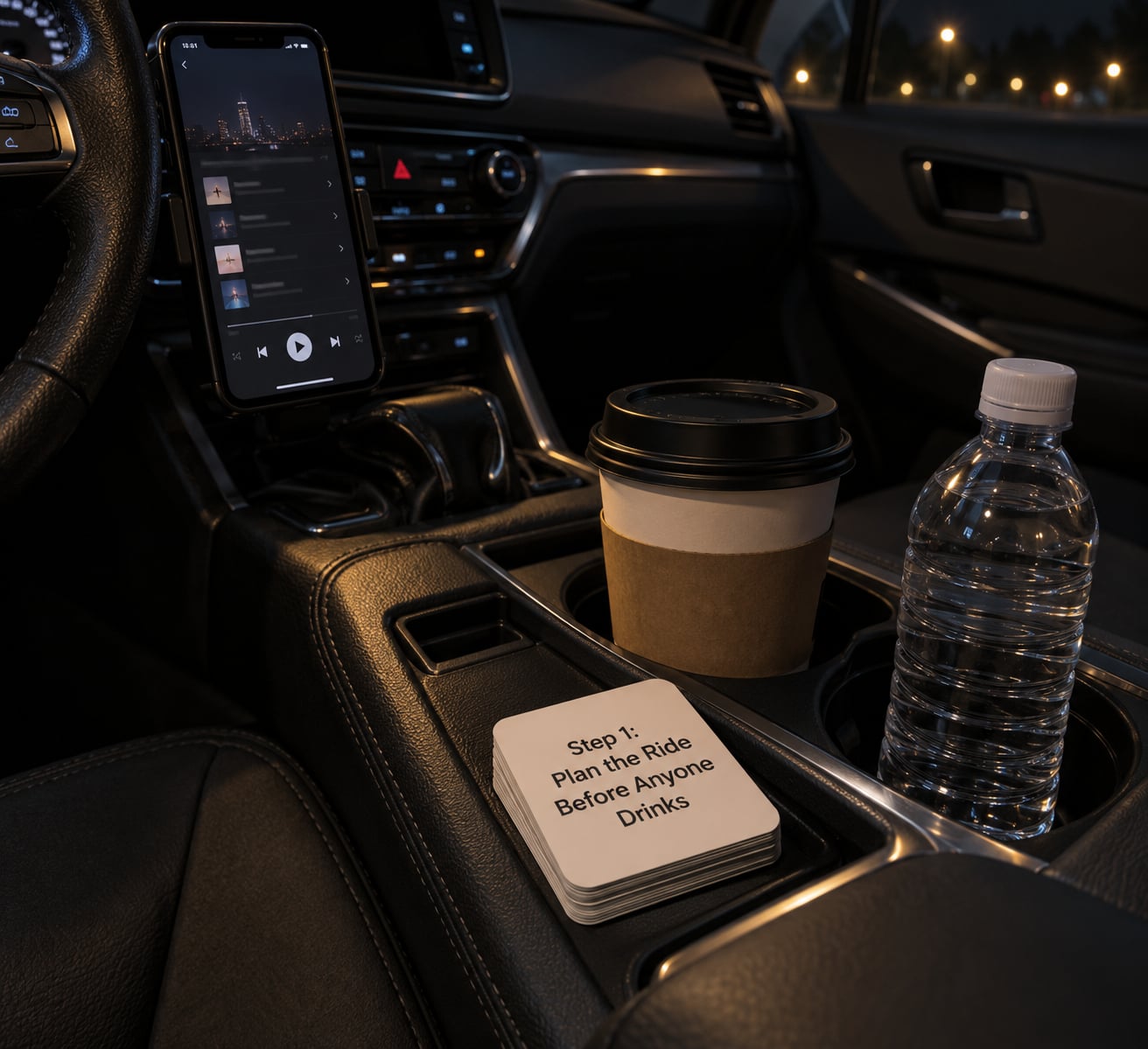
Step 1: Plan the Ride Before Anyone Drinks
Confirm the transport plan while the group is still making decisions, not after the first round is down. Say the plan out loud in the chat: who is driving, what the backup is, and what time everyone leaves.
The goal is a no-question rule. If a friend needs a ride home at any point in the night, they text the group and a sober person handles it, no debate and no guilt. Write that rule down in the thread before you leave the house.
You will know it worked when nobody has to negotiate in the doorway at closing time. Groups that agree on the ride beforehand get out of bars faster and with fewer stranded people.
Step 2: Build a Role That Still Includes You
This is the step people skip, and it is the difference between a fun night and a long one. The designated driver who sits with no job gets handed one by the group within about an hour. Pick yours first.
Route planner works well. You chose where you are going, you know which stop is next, and when the group debates between two taprooms you break the tie. Photographer is the other strong option, because the photos become your souvenir from a night you did not drink. Trivia host works at places with a card. Bartender and taste judge works at a beer event, where you can genuinely argue about hops, mouthfeel, or which pint is the best of the night.
Add one smaller job and you have a full evening. Closing tabs, running the exit poll, choosing the last stop, picking the music for the ride home.
Role play also solves the optics problem. Nobody pesters the person holding the trivia cards. It is the cheapest social shield there is, and it is genuinely satisfying.
Step 3: Choose Alcohol-Free Activities
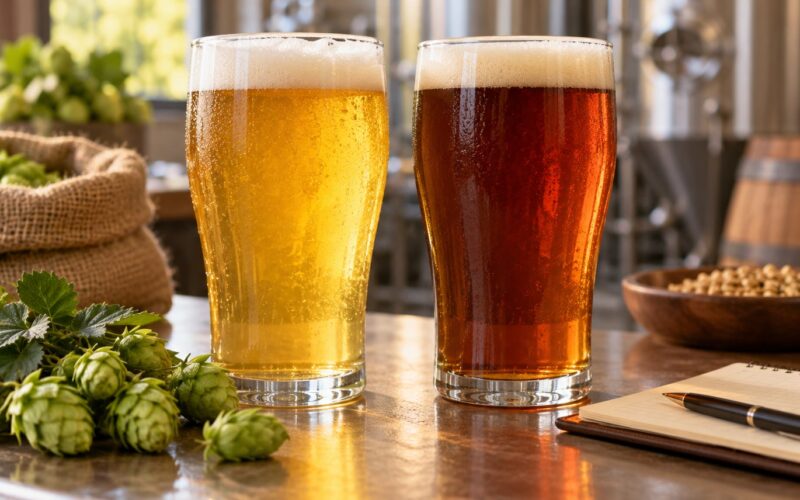
Bar crawls and beer festivals give a sober person more to work with than most people realize. Beer events in particular give you something most drinkers never do: you actually taste what you are drinking, slowly, with nobody rushing you.
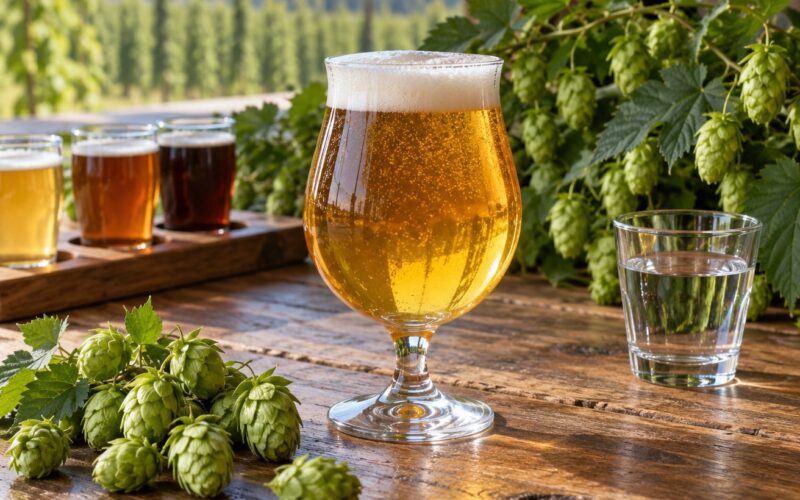
Tasting flights are the best-kept secret. A sampler of four small pours is a whole activity, not a drink, and you can hold an opinion about it afterwards for the rest of the night. Order the non-alcoholic flight if the venue offers one. Most taprooms and beer bars now pour alcohol-free versions of their own taps, and they are genuinely good, not an afterthought.
Pair every drink with food. Pretzels, a charcuterie board, a burger, fries, something with salt. Food slows the night down and gives everybody something to talk about that is not how drunk they are.
Then add something the group does together. A photo challenge where everybody has to get one shot at each stop. A card game between stops. A round of trivia in the bar. A “worst dressed” vote that you run because you can still see straight. People remember the sober person as the one who organized the good part, not the one who sat out.
Note what you order and how it lands, because that is the practical detail most guides miss. Order a drink that arrives in a real glass, and say the name out loud when the bartender hands it to you.
Step 4: Eat, Hydrate, and Pace Yourself
Stay alert for three hours by treating it like a small physical job. Eat a real meal before you leave. Keep water within reach and drink it steadily rather than in one go when you feel wobbly.
Take the pace the night gives you. Sit down between stops instead of standing at the bar for all of them. A seat is worth more than another round of anything, and it is where most of the good conversation happens.
Keep your phone charged and your own glass topped up. And set one quiet reminder for yourself about halfway through: if you are tired, say so. Fatigue is a real problem on long drives, and calling it early is the fix. You will know the pacing worked if the drive home feels ordinary rather than like a fight.
Step 5: Handle Pressure Without Turning It Into a Conflict
Pressure usually comes from one of four places, and each one has a short answer that does not start a fight.
One drink now, come on. The short version: “I am good, tonight is my night to drive.” No explanation, no promise that you will do it next time. Repeat it the same way every time, because a script that changes sounds like a negotiation.
Just a shot, it is not even a drink. The answer is the same and it does not need softening. A shot is a drink.
Why are you being so boring. Find the one friend who is not pressuring you, sit nearer them, and let the conversation carry you. Most pestering stops when the audience leaves.
Come on, you never drink anyway. Sometimes the pressure is guilt dressed up as teasing. “You know I have to drive, and I am perfectly happy about it” ends it faster than arguing.
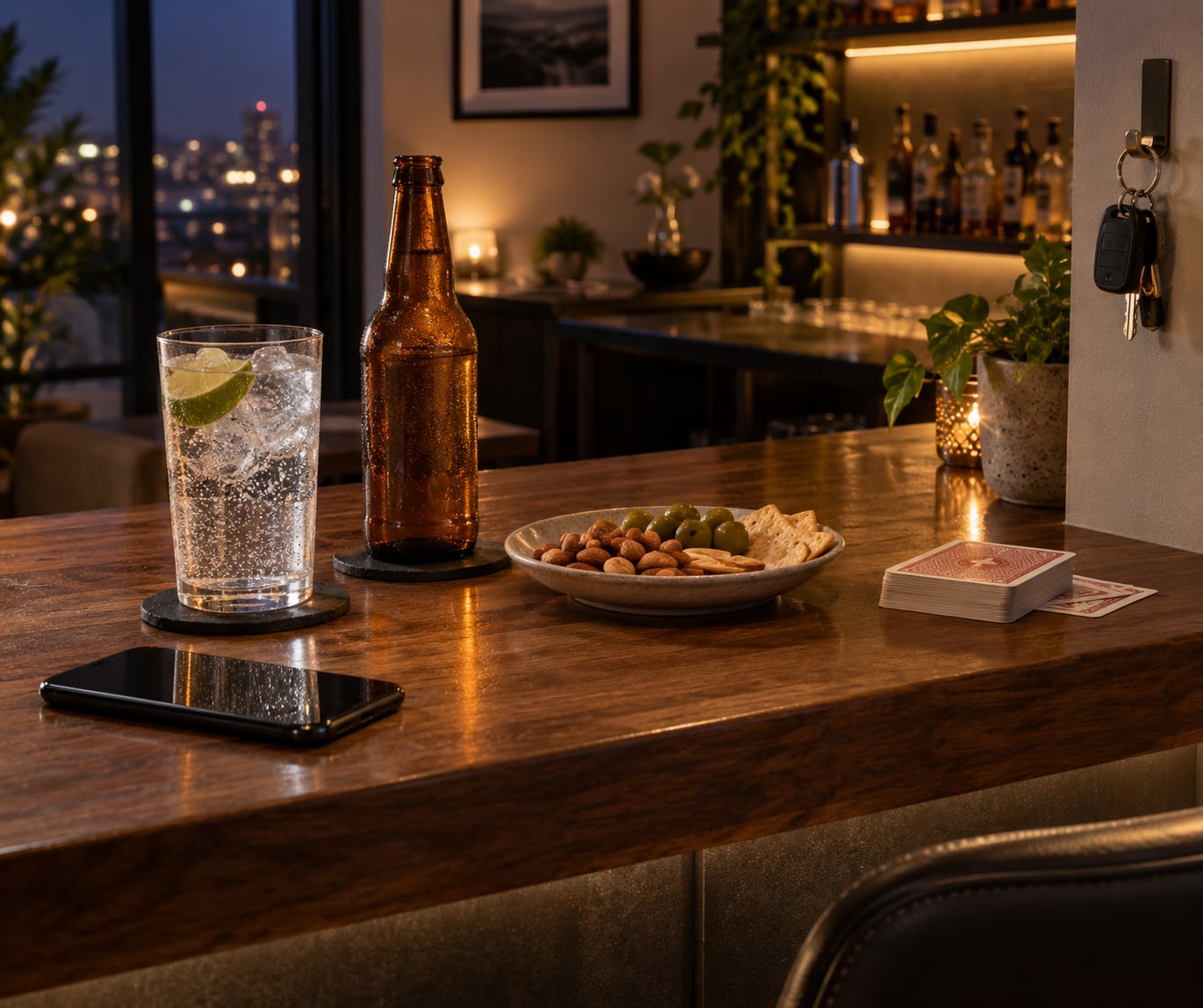
The thing that actually stops most of this is having a drink in your hand that looks like a drink. Order it early, hold it, and nobody asks twice. You will find that pestering drops off within about twenty minutes of the first stop.
Step 6: Finish the Night with a Safe Exit
The last thirty minutes is where a lot of designated drivers describe the low point of the night. Sloppy friends, loud goodbyes, a coat nobody can find, somebody who wants to keep going. Plan this part and it stops being the worst part.
Check the group before you leave. Count heads, confirm everyone has a phone, a ride, and a way to get inside. The sober person doing this is doing real work, so do it once, properly, instead of five times in a panic.
Make sure every sober person is staying sober until the wheels turn. If two of you planned to have a drink at the end, that plan is cancelled, and it should have been discussed before the night rather than negotiated in the doorway.
Drive slowly. If the group is loud, that is normal. The ride home is genuinely the part people remember well, because everyone is happy and nobody is stressed. Put on the playlist you picked, and let the night land.
Common Mistakes
Almost every ruined designated driver night comes down to one of these. Each one has a straight fix.
Accepting a drink to avoid an argument
The one-beer-at-the-start idea shows up in forum threads constantly, and it is the single most dangerous habit in this whole list. One beer at seven does not leave you sober at midnight. The fix is to decide before you leave the house that your answer is the same at every point in the night, and to rehearse the sentence once so it comes out boring rather than defensive.
Counting on coffee, food, or a cold shower
These do not sober you up. Food slows absorption, a cold shower wakes you up, and coffee fixes nothing at all. They make you feel sharper while your blood alcohol level does whatever it was going to do anyway. The only thing that lowers it is time. The fix is to stop treating food and caffeine as a plan and treat them as comfort, which is what they are.
Relying on tolerance or on how short the night is
Having a high tolerance changes how you feel, not how you are affected on a driving task. Feeling fine is not a measurement. The fix is simple and unforgiving: if you drank at all, you do not drive, and you arrange a ride instead.
Leaving the ride plan until closing time
Peak-time ride-share pricing is when improvised plans fall apart. One person in the group decides to have a drink, everybody stays an extra hour, and now you are bargaining for a car at surge rates with three tired people and a tired driver. Confirm the ride in advance, keep a backup number saved, and decide the leave time early.
Staying sober for the whole night out of duty
The most common reason people end up resentful is that they treat the role as a nine-hour obligation rather than a role they accepted for tonight. The fix is to give yourself something to do. Pick the venue, take the photos, host the trivia, judge the beer. A designated driver with a job has a night; one without a job has a shift.
Driving home tired after everyone else has been drinking
You watched everyone else’s consumption all night and forgot to watch your own. Long night, long drive, loud car, and a driver who has been on their feet since seven. The fix is a twenty-minute break before you pull out, lower music, and slower speed. Tiredness is impaired driving too, and nobody’s license is worth saving a twenty-minute delay.
Whatever else you change, keep this one: nobody drives after drinking, and that includes the person who only had a sip. If a drink is going in the designated driver, arrange somebody else’s ride in advance.
Frequently Asked Questions
What can a designated driver drink if they do not want alcohol?
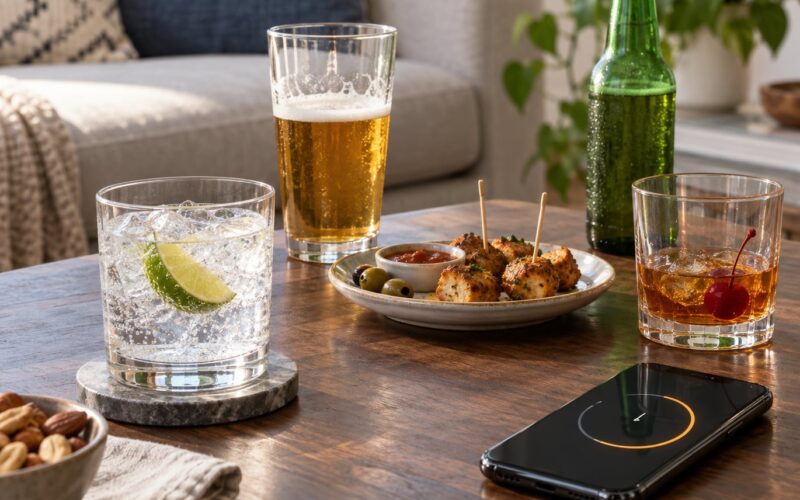
Most bars and taprooms will make a zero-proof version of a cocktail, and many now pour non-alcoholic versions of their own taps. Order something that arrives in a real glass so it reads as a drink, and say the name out loud when it is handed to you. Elsewhere, sparkling water with lime, a mocktail, tomato juice with hot sauce, iced tea, or a plain tonic all work. The point is having something in your hand early, before anyone starts asking.
How can a designated driver have fun without drinking?
Give yourself a job before the night starts. Pick the venue, run the trivia, take the photos, choose the last stop, or act as taste judge at a beer event where you can actually compare pours. Tasting flights, food pairings, and a photo challenge between stops fill the time properly. Most people who enjoy the role are not sitting out, they are running the evening, and that is a better position than the bar stool.
What should I do if friends pressure me to drink?
Keep one short sentence and use it the same way every time: I am good, tonight is my night to drive. Do not explain, do not promise you will do it next time, and do not soften it. Sit near the friend who is not pressuring you, since pestering usually stops once the audience goes away. If it continues, the person pushing is the problem, not your role. Decide in advance whether you are driving yourself, so the pressure has nowhere to land.
Can a designated driver drive if they only had one drink?
No. One drink is one drink, and the amount does not matter as much as people think. Feeling fine is not a measurement, and tolerance changes how you feel rather than how you are affected on a driving task. Coffee, food, a cold shower, or time spent sober at the bar do not bring your blood alcohol level down meaningfully. If you drank at all, arrange a sober driver or a ride instead of driving yourself.
How should a group get home safely after a bar crawl?
Decide the plan before anyone drinks. In the group chat, name the driver, save a backup number, and pin the leave time so nobody has to be the one to suggest it. Before leaving, count heads and confirm every person has a phone, a ride, and a way to get inside. If more than one sober person is needed, use a taxi or a sober driver service rather than improvising. Nobody drives after drinking, including anyone who only had a sip.
How long should a designated driver stay sober before driving?
If you have not drunk any alcohol, you are fine to drive whenever you feel alert enough. The question people really mean is the one after drinking, and the honest answer is that only time lowers your blood alcohol level. A rough guide used widely is roughly one standard drink per hour, with a large margin on top, but numbers vary by weight, food, and pace. Feeling sober is not the same as being sober, so if in doubt, do not drive.
Conclusion
Here is the whole thing in one move: confirm the ride both ways, give yourself a role in the evening, and plan one alcohol-free activity before you leave the house. Those three things take ten minutes and they change the entire night.
What you get for it is a venue you picked, a drink that looks like a drink, photos from the best part of the night, and a car full of happy people at the end of it. That is a good time, and the person holding the keys is the reason it worked.
And the rule underneath all of it stays simple. Nobody drives after drinking, including you, including after one.