What to do with leftover keg beer comes down to one question: how long has it been open, and what does it smell like? A keg left partly full is completely normal, because keg sizes never match a guest list exactly. Once it’s open you have three good options and one last resort: keep it cold under pressure, move it into sealed containers, cook with it, or pour it out.
This guide is for anyone running a kegerator at home, renting kegs for a party, or kegging their own batches. It covers how to judge the beer, how to handle the hardware, and what to do with the empty steel when you’re finished.
Table of Contents
- What You Need Before You Decide What to Do With Leftover Keg Beer
- Keg size and how much you may strand
- Step-by-Step: How to Use Leftover Keg Beer Safely
- Step 1: Check Whether the Beer Is Still Fresh and Safe
- Step 2: Decide Whether to Serve, Refrigerate, or Freeze It
- Step 3: Transfer It Into Smaller Containers
- Step 4: Use It in Recipes or Pair It with Food
- Step 5: Dispose of It Safely If It Is Spoiled
- Common Mistakes to Avoid With Leftover Keg Beer
- Frequently Asked Questions
- How long does leftover keg beer stay good?
- Does keg beer go bad if it gets warm?
- Can I freeze leftover keg beer?
- What is the 3:30-300 rule for beer?
- Can a mini keg be refilled?
- How do I get my keg deposit back?
- Conclusion
What You Need Before You Decide What to Do With Leftover Keg Beer
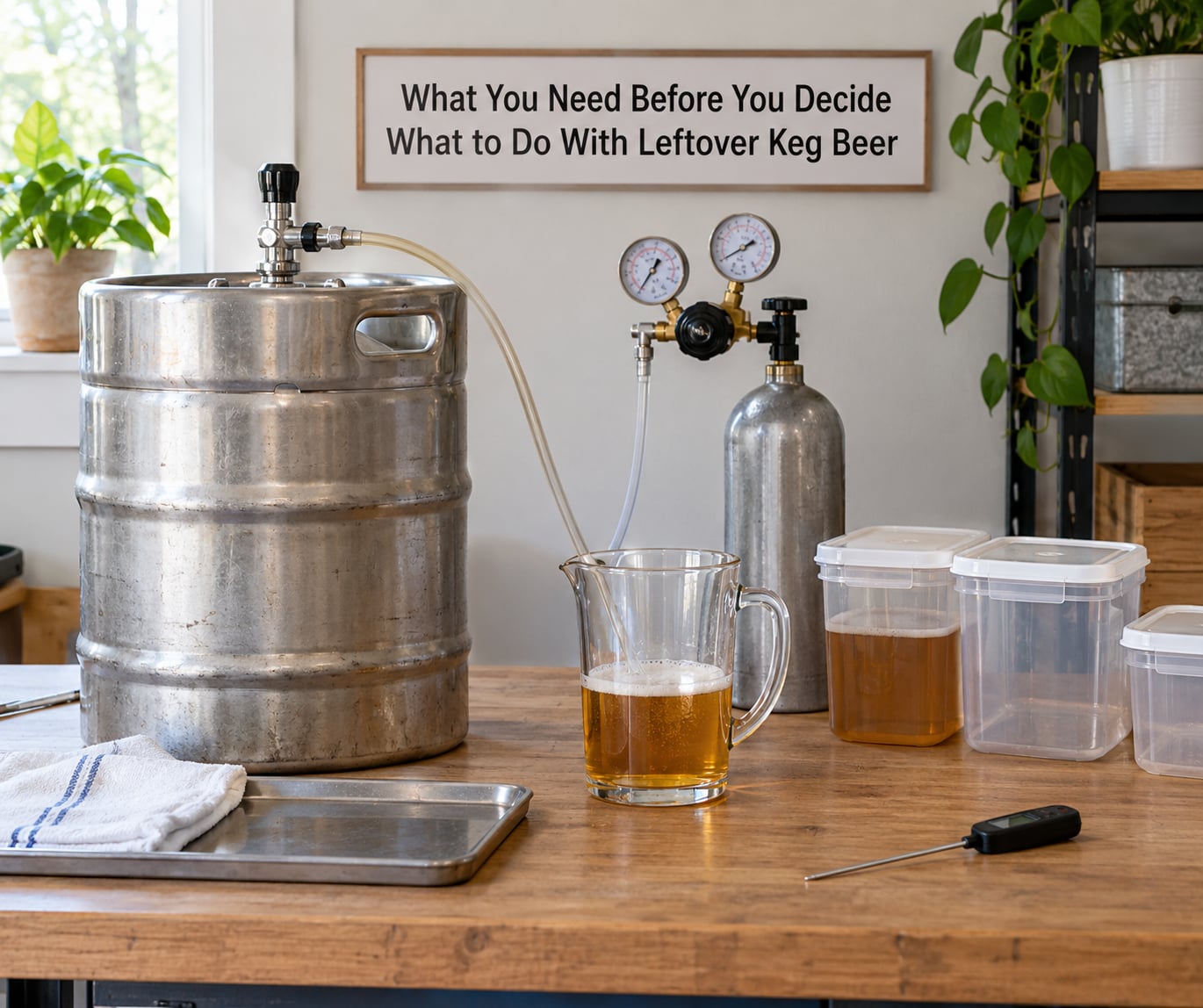
Grab four things before you touch the valve: the born-on date, the serving temperature, a way to hold pressure, and a food-safe container sized for what is actually inside.
Identify the vessel. A Sankey (Euro) keg is stainless steel with a spear and coupler. A corny keg has a ball-lock or pin-lock post. A KeyKeg is a plastic mini keg with a rigid liner, and one-way plastic mini kegs are single-use. The vessel decides which of the five paths below is even possible.
Find the born-on date. This is the day the brewery filled the keg, and it is the real freshness clock, not the day you tapped it. A keg tapped a week after filling has six weeks of life left; a keg tapped at week nine has almost none.
Check the temperature. Cold beer tells you far more than warm beer. Below 40F the beer is sluggish and hard to smell, which is exactly how it should be stored. Above 50F, bacteria get comfortable.
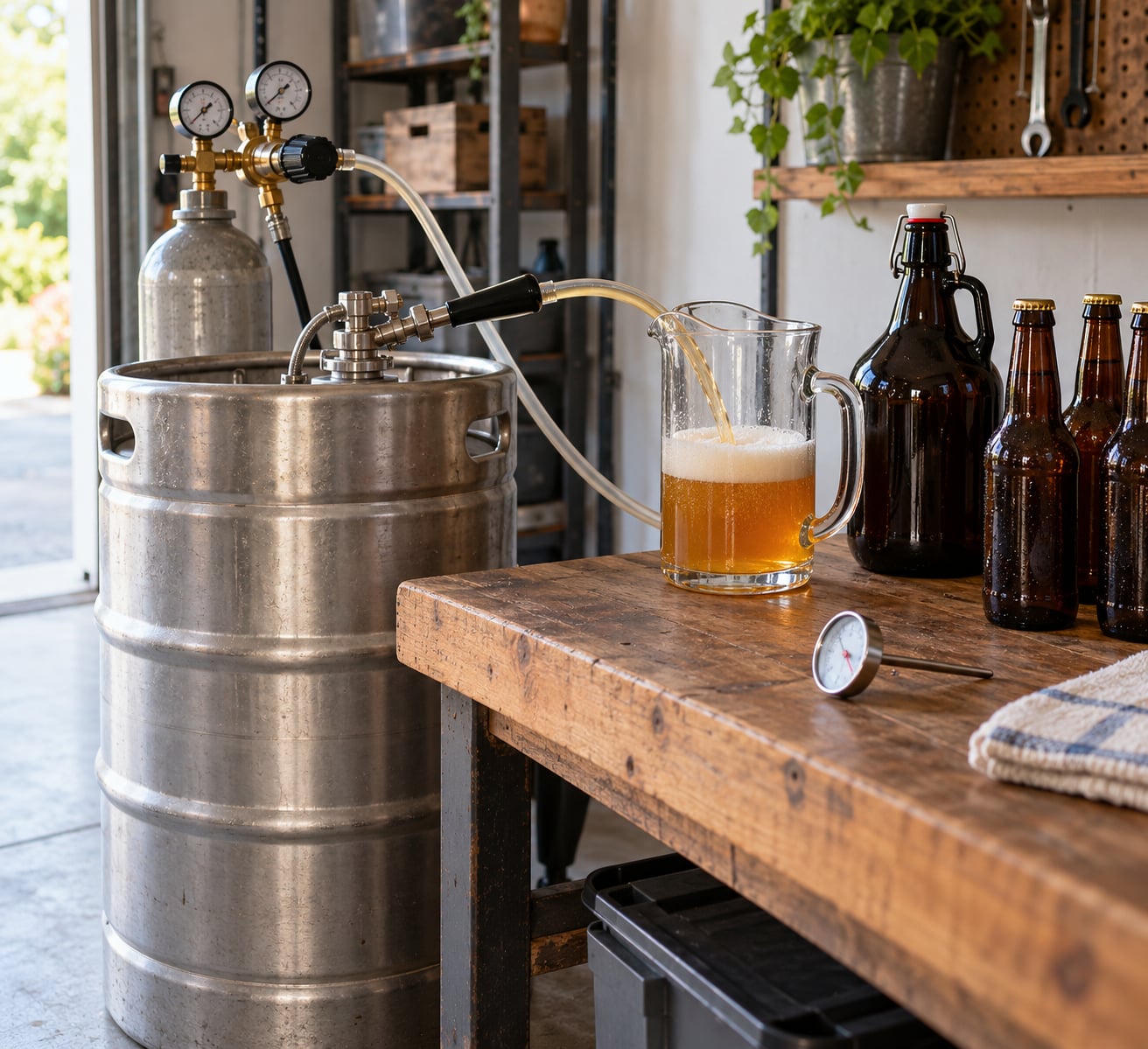
Assemble the basics. A CO2 regulator and a spare cylinder, food-grade tubing with a clamp, a clean pitcher or growler cap, a fridge thermometer, and masking tape or a marker for dating everything you seal. If you have no deflator tool, that is worth solving before you ever need it.
Keg size and how much you may strand
Estimates at a 12-ounce pour. Nobody finishes a keg to the last ounce.
| Vessel | Approximate volume | 12 oz pours | Leftover risk |
|---|---|---|---|
| Half barrel (Sankey) | 15.5 gallons | about 124 | High |
| Quarter barrel (pony) | 7.75 gallons | about 62 | Medium |
| Sixtel (one-sixth) | 5.16 gallons | about 41 | Low |
| KeyKeg mini keg | 1.9 or 5 gallons | about 15 or 41 | Low |
The half barrel is where most wasted beer lives. HomebrewTalk users regularly describe kegging a 5.5 gallon batch and expecting about half a gallon stranded with no plan for it. Sizing down one notch is the cheapest fix there is.
Step-by-Step: How to Use Leftover Keg Beer Safely
Step 1: Check Whether the Beer Is Still Fresh and Safe
Start cold. Bring the keg to 38F and let it sit there for a few hours before you judge anything, because cold beer suppresses both carbonation loss and off-aromas.
Work down this list: read the born-on date, confirm it is unpasteurized or pasteurized, check the storage temperature, then look and smell. Clear and bright is fine. A haze that swirls when you agitate the keg is yeast sediment and settles on its own. Brown liquid with cardboard or raisin-like aromas is oxidation, which is a taste problem, not a safety problem.
Sour, solventy, nail-polish, or slimy-sweet smells mean infection. Also look for a bulging seam, weeping at the post, or a hissing spear that will not stop. Taste is never the test that proves safety — it is the last thing you check, after everything else passes.
Success signal: it pours bright, smells clean, and tastes like beer rather than vinegar.
Step 2: Decide Whether to Serve, Refrigerate, or Freeze It
Under CO2 and cold, leftover beer keeps far longer than most people expect. Pasteurized keg beer holds roughly 90 to 120 days from the born-on date; unpasteurized holds about 45 to 60 days. A hand pump or party pump changes that math completely, because those pumps push air rather than carbon dioxide, and you are back to 12 to 24 hours before the beer tastes stale.
The temperature bands matter more than most hosts expect. Beer stores well at 38F, which is the figure the Draught Beer Quality Manual recommends. Bacteria become active above roughly 50F. Beer starts freezing near 28F, which is a problem in a garage or unheated basement.
Freezing is only sensible in small portions. A bottle left in a freezer for an hour is fine. A full keg is not, because beer expands as it freezes and a rigid vessel can crack or blow its fittings. Freeze small amounts in silicone trays or freezer bags and use them within a few weeks.
Success signal: the keg sits at 36 to 40F and stays connected to CO2.
Step 3: Transfer It Into Smaller Containers
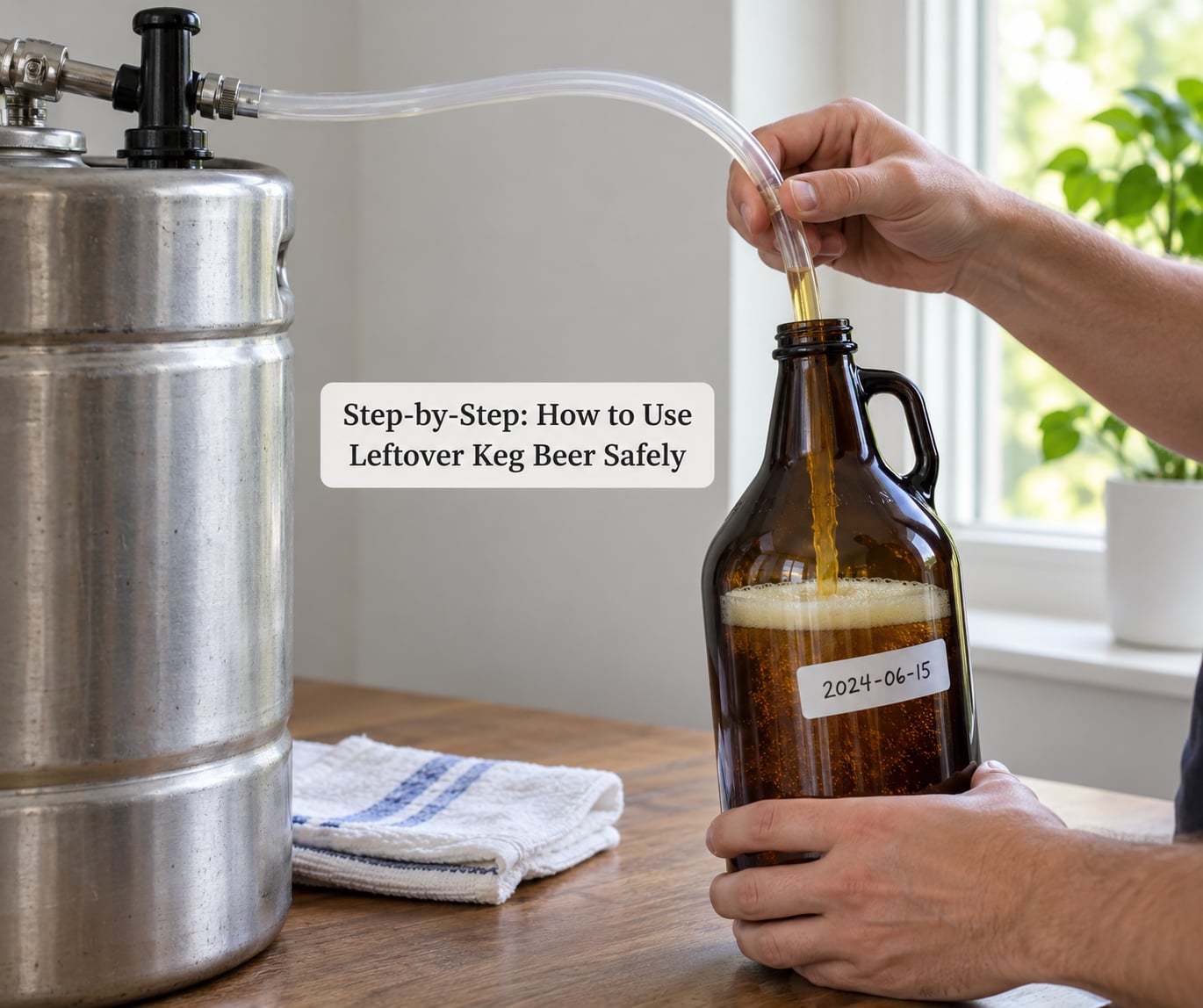
Moving a small amount into a growler or bottles buys you days instead of hours, mostly by cutting headspace down. Sanitize everything first with a no-rinse food-grade solution, and work from cold beer into cold containers so you are not stripping carbonation.
Fill plastic growlers to the top, squeeze the air out, cap immediately, and refrigerate upright. An ordinary glass or plastic growler is a short-term solution: the plastic is permeable and the oxygen trapped in the headspace keeps working on the beer. A swing-top bottle with a used conditioning yeast pellet gives you a genuine second life in a cold cellar.
For a Sankey, pull the coupler straight off to release pressure before you do anything else. The spear pops and vents as it releases. On a corny keg, lifting the handle vents the post the same way. Never pry on a coupler that is still under pressure.
Success signal: containers sealed, dated with masking tape, and cold within the hour.
Step 4: Use It in Recipes or Pair It with Food
Flat but clean beer is a better cooking ingredient than fresh beer, because you want the liquid for flavor and not for carbonation. That is the whole point of leftover keg beer, and it is the branch almost every search result misses.
- Beer bread. Swap 1 to 1 cup of the water in any quick bread or pizza dough for an equal volume of leftover pale ale. A half cup of leftover in a standard loaf is plenty.
- Beer cheese sauce. Replace the milk or stock in a cheese sauce one to one. Warm beer flat in a pot with shredded cheddar and a little mustard turns into a dip that people ask about all night.
- Beer-battered foods. Any leftover works in a batter for onion rings, fish, or zucchini. A sour or oxidized beer adds even more lift.
- Braises and chili. Beer is liquid stock. Deglaze the pan after searing, add the beer, and reduce it by half before the liquid goes back in.
- Glazes and marinades. Simmer leftover beer with honey or brown sugar, a splash of vinegar, and soy or Worcestershire for a barbecue glaze in about ten minutes.
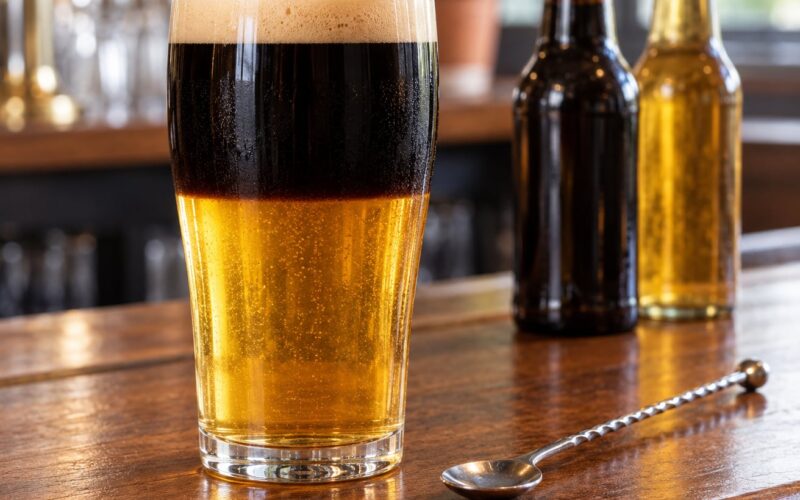
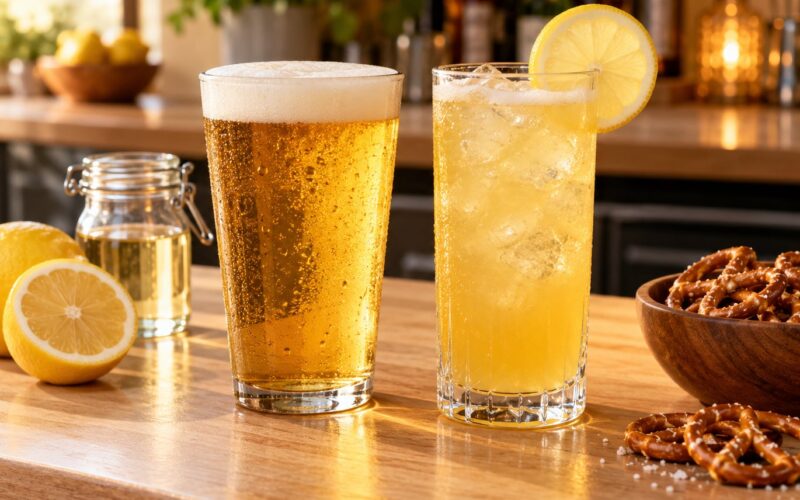
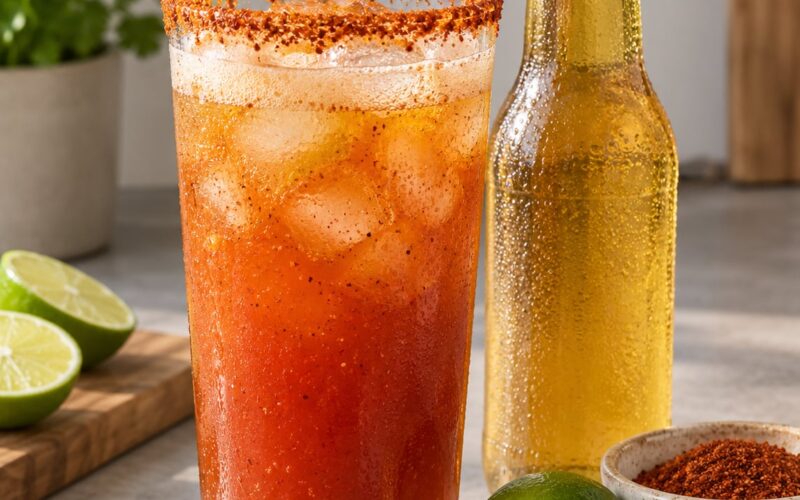
- Cocktails. A sour or oxidized pale ale makes a good substitute in a shandy or a beer-based Old Fashioner.
Two things to keep in mind. Reduce beer in a pan, not in the keg, so you control how much alcohol cooks off. And never serve beer bread to dogs; yeast and residual alcohol can make pets seriously ill.
Success signal: the loaf rises, the sauce emulsifies, and you used up the last of it.
Step 5: Dispose of It Safely If It Is Spoiled
Pouring a spoiled keg out is the right call. Solventy, sour, or slimy beer is not worth tasting, and you should not serve it to guests to avoid waste.
Aim the keg at the nearest storm drain, not your yard. Beer is fine in municipal water treatment, but a full keg dumped on soil or into a septic system can upset the bacteria that handle solids there. Homebrewers also run leftover beer through a keg, a bottle, or a bucket and dump it in small amounts, which keeps any single pour from overwhelming whatever system you have.
Do not pour beer down a running hot water line, and do not mix it with harsh drain cleaner. A beer drainer costs little and makes this a non-issue.
Then clean the keg properly: a keg washer with a detergent, followed by sanitizing and a rinse, so nothing carries into the next batch.
Success signal: the keg is empty, drained, rinsed and inside to dry lid-side up.
Common Mistakes to Avoid With Leftover Keg Beer
- Assuming a sealed keg is fine forever. The clock is the born-on date. A six-month-old untapped keg from a local brewery is a question for the distributor, not a bet.
- Leaving beer warm for extended periods. Above 50F you are inviting bacteria and losing carbonation at the same time. If a keg got warm, chill it slowly and let it settle before tapping again.
- Repeatedly disturbing sediment. Stirring yeast back into suspension makes the beer look cloudy and taste yeasty for no reason. Leave it alone for a week.
- Reusing unsanitized or damaged containers. Cracked growlers, warped caps, and cloudy plastic that has gone brittle will spoil beer faster than oxygen will. Replace them.
- Confusing sediment for spoilage. Yeast sediment is normal, settles to the bottom, and pours differently than the beer above it. Haze is not a safety problem; a sour smell is.
- Disconnecting a keg under pressure. This is the one injury risk in the whole subject. Use the coupler or a deflator tool to bleed the pressure first, every time.
On that last point: a common trick on r/Homebrewing is to drape an old towel over the post and press the spear ball bearing down with a screwdriver to vent a keg you cannot couple. It works, and it throws a spring-loaded part and a spray of beer across the room. A deflator tool screws straight into the spear and costs less than a replacement coupler.
One more thing people learn the hard way, from the kegworks comment thread: stale taste in draft beer is usually oxidation, not pasteurization. A professional brewer there pointed out that cheap canning equipment can let oxygen in badly enough that a beer tastes old within a month or two, no matter how the shelf-life chart reads.
Frequently Asked Questions
How long does leftover keg beer stay good?
Under CO2 at 38F, pasteurized keg beer stays drinkable about 90-120 days and unpasteurized about 45-60 days, counted from the brewery born-on date rather than the day you tapped it. A hand or party pump shortens that to roughly 12-24 hours, because the pump pushes oxygen in instead of carbon dioxide.
Does keg beer go bad if it gets warm?
Warm beer spoils faster than cold beer. The Draught Beer Quality Manual recommends 38F for storage, bacteria become active above about 50F, and beer starts freezing near 28F. A keg that has gone warm once will pour foamy until it settles back down in the cold, and repeated warm-and-cold cycles flatten it for good.
Can I freeze leftover keg beer?
Freezing is fine for one or two bottles left in the freezer for an hour, but a full keg is a bad idea. Beer freezes around 28F and expands as it does, so a rigid vessel can crack or push fittings loose. Freeze small portions in silicone trays or freezer bags and use the slush within a few weeks.
What is the 3:30-300 rule for beer?
The 3:30-300 rule is homebrew and brewery shorthand for describing how priming sugar, time and temperature combine to produce a target carbonation level in a keg. It is a guideline rather than a regulation, and the exact figures are worded differently from brewery to brewery. It does not apply to commercial keg beer, which arrives at its final carbonation.
Can a mini keg be refilled?
It depends on the vessel. A KeyKeg-style mini keg with a rigid liner is made to be washed and refilled, usually dozens of times before the liner needs replacing. A one-way plastic mini keg, like the ones shipped with imported lager, is a single-use container and is not rated for refilling or home pressure.
How do I get my keg deposit back?
Kegs are tracked property belonging to the distributor that filled them, which is why the deposit is recoverable. Return the empty keg to the shop or distributor that supplied it, with the deposit receipt if you have it. Some retailers keep a return fee, and state law limits how long you can sit on a keg before the deposit is forfeit.
Conclusion
Start with the tap date and a cold glass of it. Once you know how long the beer has been open and whether it smells clean, pick the lowest-risk option: keep it cold under pressure, seal it into small containers, cook with it, or pour it out. Decide today, while it is still good beer rather than a science project.